

US Imposes Sanctions on Top ICC Officials in Effort to Dismantle Court
The Trump administration has announced new sanctions against the president and top lawyer of the International Criminal Court as part of a campaign to dismantle the tribunal.
By The Global Wire Newsroom · Reported from Tom Bateman
Link preview · horizonglobalnews.com
US Imposes Sanctions on Top ICC Officials in Effort to Dismantle Court
The Trump administration has announced new sanctions against the president and top lawyer of the International Criminal Court as part of a campaign to dismantle the tribunal.
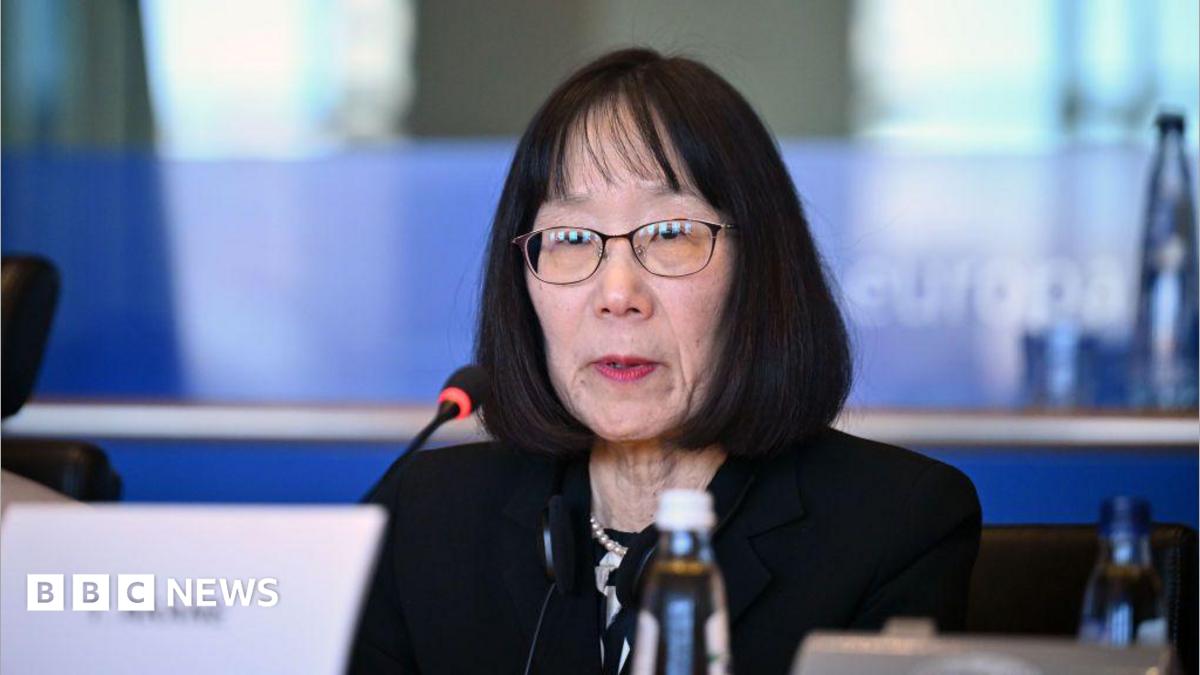
WASHINGTON — The United States government has announced a new round of economic and travel sanctions targeting the president and chief prosecutor of the International Criminal Court, escalating a long-standing confrontation between Washington and the tribunal in The Hague. The measures reflect a renewed push by the Trump administration to undermine the court's authority, accompanied by an explicit commitment to dismantle the permanent international tribunal "brick by brick," according to reporting by Tom Bateman.
Sanctions Targeted at Court Leadership
The latest actions specifically target top officials governing the International Criminal Court (ICC), including its sitting president and leading legal officer. Under executive measures designated by Washington, individuals named on the sanctions list are subject to severe financial restrictions, including the freezing of any assets held within U.S. jurisdictions and prohibitions preventing American citizens and financial institutions from engaging in transactions with them. Visas for the designated individuals and their immediate family members are also typically revoked or denied under these measures.
According to reporting by Tom Bateman, the administration’s stated rhetoric surrounding the policy underscores an intention to systematically dismantle the international court. The declared goal to tear down the institution "brick by brick" marks one of the most direct rhetorical and policy challenges faced by the international judiciary since its founding. Washington has repeatedly maintained that the court lacks legitimate jurisdiction over citizens of nations that have not ratified its founding treaty.
Broader History of U.S.-ICC Relations
The conflict between the United States and the International Criminal Court spans multiple presidential administrations, rooted in fundamentally divergent views on national sovereignty and international legal oversight. Created by the Rome Statute in 1998 and operational since 2002, the ICC was established as a court of last resort to prosecute individuals for war crimes, crimes against humanity, genocide, and the crime of aggression when national courts are unwilling or unable to do so.
While the U.S. participated in the negotiations that led to the Rome Statute and signed the treaty under President Bill Clinton in 2000, the agreement was never submitted to the Senate for ratification. In 2002, under President George W. Bush, the U.S. formally notified the United Nations that it did not intend to become a party to the treaty. That same year, Congress passed the American Service-Members' Protection Act, which restricted U.S. cooperation with the ICC and authorized the president to use all means necessary and appropriate to free U.S. or allied personnel detained by or on behalf of the court.
Previous Sanctions and Policy Shifts
This is not the first instance of the Trump administration deploying financial sanctions against ICC leadership. During its previous term in 2020, the administration designated former ICC Chief Prosecutor Fatou Bensouda and another senior court official, Phakiso Mochochoko, under Executive Order 13928. That executive order authorized sanctions against foreign individuals involved in ICC efforts to investigate U.S. military and intelligence personnel for alleged actions in Afghanistan, as well as investigations involving key American allies such as Israel.
The Biden administration subsequently revoked Executive Order 13928 in April 2021, stating that while Washington maintained its opposition to the court's attempts to exercise jurisdiction over non-party states, sanctions were an inappropriate and ineffective method for addressing those concerns. The official return to economic punitive measures signals a sharp policy reversal, reinstating aggressive coercion against the international tribunal's key figures.
The Jurisdictional Friction Point
The core of the dispute centers on the principle of universal jurisdiction and the court's reach over non-member states. The ICC operates on the principle that it holds territorial jurisdiction over alleged crimes committed on the territory of a state party, regardless of the nationality of the perpetrator. Washington has consistently rejected this interpretation, asserting that no international body has authority over U.S. citizens or military personnel without the explicit consent of the American government through treaty ratification.
Court officials and legal scholars have argued, conversely, that exempting non-member state nationals from prosecution for alleged crimes committed inside member states would create legal loopholes and undermine the universal application of international humanitarian law. This structural tension has repeatedly placed the court in direct conflict with sovereign nations that operate outside the Rome Statute framework, including the United States, Russia, and China.
Global Implications and Institutional Resilience
The announcement of sanctions against the court's top leadership presents significant logistical and operational challenges for the tribunal. Because the global financial system relies heavily on U.S. dollar clearing houses and American banking infrastructure, international figures placed on U.S. sanction lists often face extreme difficulty maintaining bank accounts, processing international payments, or conducting official business overseas.
Supporters of the court, including human rights organizations and European member states, have historically condemned U.S. sanctions against ICC personnel as an attack on judicial independence and the international rule of law. Opponents of the measures argue that penalizing judges and prosecutors sets a dangerous precedent, potentially emboldening autocratic regimes to target international legal figures who investigate state-sponsored atrocities.
Despite financial and political pressure from non-member powers, the court's assembly of state parties—comprising over 120 nations—has repeatedly reaffirmed its commitment to the court's mandate. Nevertheless, the explicit campaign to dismantle the institution poses a formidable test to the stability and effectiveness of the international justice architecture.
Looking Ahead
As the new sanctions take effect, the immediate consequences will likely ripple through both diplomatic channels and the court's administrative functions. Legal experts expect international civil society organizations and state parties to challenge the administration's policy while attempting to insulate court personnel from the personal economic impacts of American sanctions.
The administration's vow to dismantle the court suggests that additional restrictive measures against other judges, prosecutors, or supporting institutions could follow. How the international community balances diplomatic relations with Washington while upholding the operational independence of The Hague will remain a defining issue in global governance.
Reporting for this article was originally produced by Tom Bateman.
How this story was produced
This report was written by The Global Wire newsroom from reporting first published by Tom Bateman. We verify the core facts against the original report, write our own account, and add the background and consequences a short wire item leaves out. Drafting is AI-assisted inside an editor-supervised pipeline, and every story is checked for accuracy of attribution, structure and duplication before it appears — full detail in our AI and funding disclosure.
Spotted an error? Tell us at corrections@horizonglobalnews.com and read our corrections policy or editorial standards.



Reader comments
Loading comments…