

Gaza Conflict Leaves Lasting Psychological and Social Toll on Palestinian Men, Report Shows
An investigation into the experiences of Palestinian civilians in Gaza highlights how mass displacement, loss of family, and economic collapse have reshaped male identity and family structures.
By The Global Wire Newsroom · Reported from Guardian staff reporter
Link preview · horizonglobalnews.com
Gaza Conflict Leaves Lasting Psychological and Social Toll on Palestinian Men, Report Shows
An investigation into the experiences of Palestinian civilians in Gaza highlights how mass displacement, loss of family, and economic collapse have reshaped male identity and family structures.
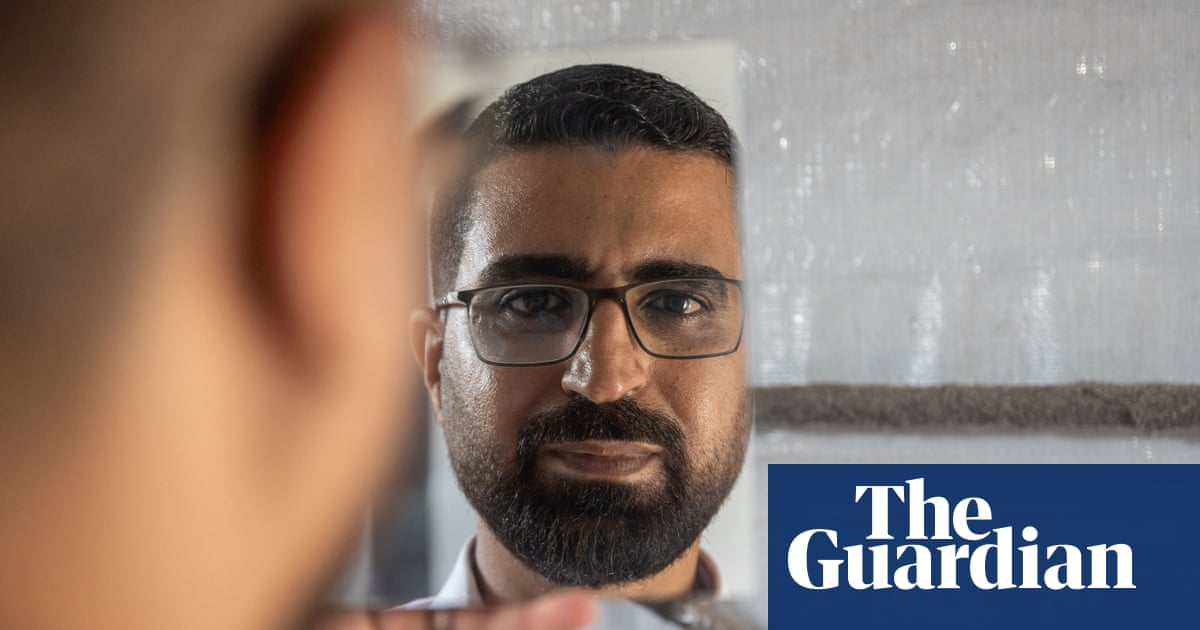
A report published by The Guardian on September 13, 2026, highlights the underreported psychological and social toll of the Gaza conflict on Palestinian men. Drawing on detailed testimonies from four civilians living in the Gaza Strip, the account examines how prolonged military operations, mass displacement, economic collapse, and the loss of family members have fundamentally altered male identities, domestic roles, and interpersonal relationships across the enclave. As international humanitarian organizations concentrate primarily on immediate survival logistics such as food distribution and physical trauma care, the long-term psychological crisis affecting men who have lost their livelihoods, property, and children remains largely unaddressed by institutional relief efforts.
Key facts
What happened
The reporting by The Guardian centers on the accounts of four Palestinian civilian men who detailed the disruption of their personal lives, family stability, and psychological well-being resulting from the ongoing military campaign in Gaza. The accounts describe a total loss of personal assets, including the destruction of family homes, the death of children, and the complete exhaustion of personal financial resources accumulated over decades.
In traditional Palestinian social structures, adult males typically act as primary economic providers and legal heads of household responsible for family protection. Under conditions of continuous military operations, severe movement restrictions, and broad economic blockade, these traditional roles have become impossible to maintain. Men interviewed in the reporting described feelings of profound helplessness stemming from their inability to protect family members from aerial bombardment or to provide basic life necessities such as adequate nutrition, clean drinking water, secure shelter, and essential medical care.
The accounts outline how this inability to safeguard dependents generates severe emotional distress, contributing to domestic friction, altered marital dynamics, and deep psychological trauma. The daily strain of survival within densely populated displacement camps, combined with grief over deceased family members, has forced individuals into a state of chronic crisis management where long-term planning is replaced by immediate survival.
Why it matters
The examination of male psychological trauma addresses a dimension of humanitarian crises that receives limited policy attention. While international emergency response guidelines prioritize vulnerable demographics such as children, pregnant women, and the elderly for targeted aid interventions, the psychological degradation of adult males carries structural consequences for post-conflict recovery and community rebuilding.
When primary breadwinners experience complete economic disenfranchisement combined with severe post-traumatic stress, the stability of nuclear and extended family structures is severely compromised. Economic metrics from the International Labour Organization (ILO) demonstrate that widespread employment collapse combined with trauma elevates the risk of domestic instability and prolonged social paralysis. In a society where social safety nets historically relied heavily on extended family networks and informal community support, the uniform impoverishment of the population leaves few internal mechanisms to absorb mental health shocks.
Additionally, the destruction of physical infrastructure—including educational institutions, commercial enterprise hubs, and agricultural sectors—deprives men of functional avenues for self-reliance. Rebuilding Gaza post-conflict will require not only material investment in physical reconstruction, but also human capital capable of managing households and civic institutions. Unaddressed psychological trauma among a large segment of the adult population threatens long-term social cohesion and complicates future economic stabilization.
The background
Understanding the social and psychological pressures on Palestinian men requires examining both the immediate impact of the military conflict that began following the October 7, 2023 attacks by Hamas on southern Israel, and the pre-existing socioeconomic conditions in the Gaza Strip. Prior to the escalation, Gaza had been subject to a strict land, sea, and air blockade enforced by Israel and Egypt following Hamas's assumption of control over the territory in 2007.
Even prior to October 2023, Gaza suffered from chronic structural economic distress, with overall unemployment exceeding 45 percent and youth unemployment topping 60 percent, according to World Bank figures. The population of approximately 2.3 million people, residing in one of the world's most densely populated geographic areas, depended heavily on international aid provided through agencies such as the United Nations Relief and Works Agency for Palestine Refugees in the Near East (UNRWA).
The outbreak of major hostilities in late 2023 turned the entire territory into an active combat zone, causing unprecedented physical destruction. United Nations Satellite Centre (UNOSAT) analysis indicated that over 60 percent of all structures in Gaza—including residential homes, commercial properties, schools, and medical facilities—were either completely destroyed or severely damaged. Gaza health authorities reported tens of thousands of fatalities, resulting in widespread loss of life across multiple generations of families.
Simultaneously, the region's healthcare system suffered extensive damage. The World Health Organization repeatedly warned that Gaza's hospital system was operating at a small fraction of its functional capacity. Specialist mental health facilities, including the Gaza Mental Health Hospital in Gaza City, ceased operations due to physical destruction, access restrictions, and fuel shortages, eliminating formal clinical psychiatric care across the territory.
Reaction
While formal government responses to the specific reporting were not issued, international humanitarian organizations and human rights advocacy groups have repeatedly emphasized the escalating mental health emergency in the Gaza Strip. Groups such as Médecins Sans Frontières (MSF) and the Palestine Red Crescent Society (PRCS) have noted that medical personnel on the ground routinely treat patients exhibiting acute distress, severe depression, and trauma-induced behavioral changes.
Humanitarian relief coordinators within the United Nations system have stated that future aid planning must incorporate gender-aware mental health programming that accounts for the loss of male societal roles. Mental health professionals operating in the Middle East have emphasized in international medical forums that psychological interventions remain severely constrained as long as basic physical security, stable shelter, and adequate nutrition cannot be guaranteed to the civilian population.
Neither Israeli military officials nor local governing authorities in Gaza have published dedicated policy responses regarding post-conflict mental health infrastructure for adult men, as current administrative and military focus remains centered on active combat operations, hostage negotiations, ceasefire logistics, and basic aid delivery.
What we don't know yet
Significant gaps remain regarding the true magnitude of long-term psychological damage among Palestinian civilians. Because comprehensive psychiatric surveys cannot be conducted under conditions of active military operations and ongoing displacement, the exact prevalence of post-traumatic stress disorder, clinical depression, and anxiety disorders across the male population remains unquantified.
It is also unclear how future governing authorities or international donor frameworks intend to fund and structure mental health reconstruction in Gaza. Current emergency international aid appeals focus almost exclusively on survival necessities—food supplies, emergency shelter, clean water, and acute surgical care—leaving psychosocial support programs with minimal financial resources.
Furthermore, the long-term impact of this psychological strain on family units, divorce rates, and domestic stability cannot yet be measured, as civil registration systems and judicial institutions across Gaza remain largely non-operational.
What to watch
This news report is based on original reporting published by The Guardian on September 13, 2026.
How this story was produced
This report was written by The Global Wire newsroom from reporting first published by Guardian staff reporter. We verify the core facts against the original report, write our own account, and add the background and consequences a short wire item leaves out. Drafting is AI-assisted inside an editor-supervised pipeline, and every story is checked for accuracy of attribution, structure and duplication before it appears — full detail in our AI and funding disclosure.
Spotted an error? Tell us at corrections@horizonglobalnews.com and read our corrections policy or editorial standards.





Reader comments
Loading comments…