

British Pickled Onion Sales Rise 12 Percent as Consumers Adopt Pickle Brine for Cooking
Retail demand for pickled onions in the UK has surged by 12 percent as home cooks shift the traditional pantry preserve from a cold side dish into an active cooking ingredient.
By The Global Wire Newsroom · Reported from Sarah Marsh
Link preview · horizonglobalnews.com
British Pickled Onion Sales Rise 12 Percent as Consumers Adopt Pickle Brine for Cooking
Retail demand for pickled onions in the UK has surged by 12 percent as home cooks shift the traditional pantry preserve from a cold side dish into an active cooking ingredient.
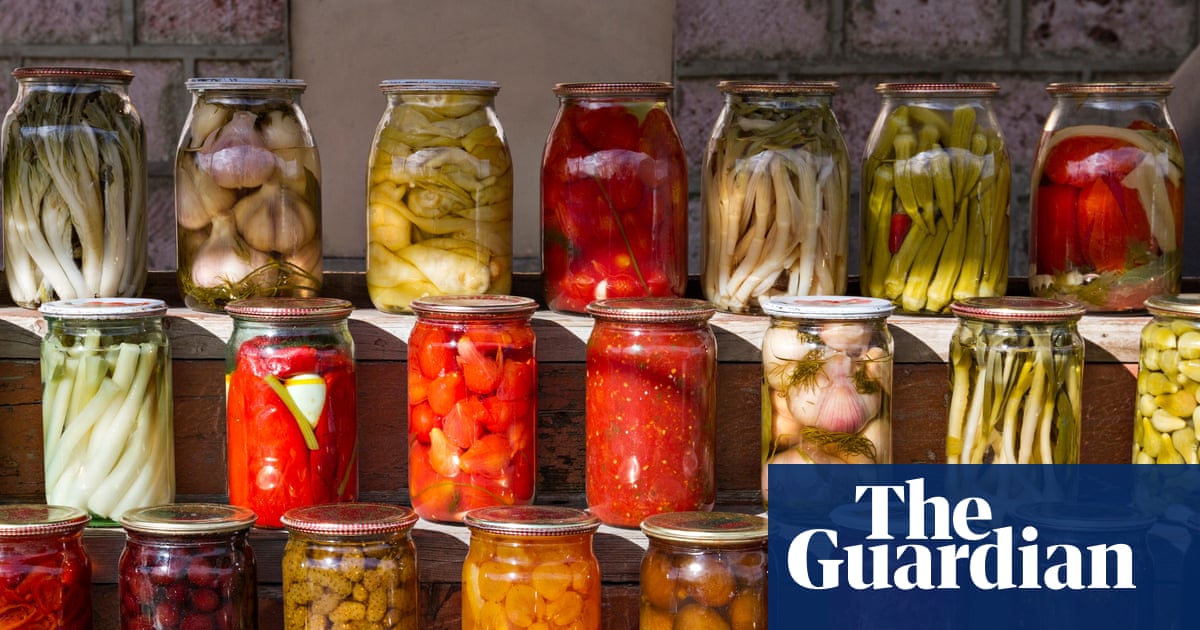
British shoppers are purchasing pickled onions at significantly elevated rates as consumers increasingly integrate the traditional preserved vegetable directly into daily meal preparation, according to reporting published by Sarah Marsh on September 13, 2026. Retail data highlighted in the report reveals a 12 percent increase in pickle sales across the United Kingdom. The shift reflects a changing role for the condiment, which is expanding from its long-established position as a side garnishment or festive cold platter item into a versatile cooking ingredient utilized for its acidity, sharpness, and flavor-enhancing properties in cooked dishes.
Key facts
What happened
Retail purchasing patterns for pickled onions in the United Kingdom have shown marked expansion, with total sales rising by 12 percent according to reporting by Sarah Marsh. Historically associated with specific dining contexts—such as accompanying fish and chips, forming part of a pub lunch, or appearing on holiday cold-cut platters—pickled onions are increasingly being bought for general, day-to-day culinary applications.
This change in consumer behavior involves moving beyond the traditional practice of consuming the preserved onions whole alongside cold meats or cheeses. Instead, home cooks are incorporating chopped or sliced pickled onions directly into hot meals, salads, stews, sauces, and sandwiches. Additionally, home cooks are utilizing the pickling liquid itself—a concentrated mixture of acetic acid, salt, sugars, and infused spices—as an active liquid ingredient. This brine is being repurposed for salad dressings, meat marinades, deglazing pans, and seasoning grains.
The 12 percent sales uptick underscores a shift in how British shoppers approach pantry staples. Rather than purchasing pickles for occasional or seasonal consumption, buyers are viewing them as reliable, shelf-stable flavor builders that provide immediate punch and balance to standard meals without requiring extensive prep time or exotic ingredients.
Why it matters
The double-digit sales growth reported in the UK pickle category carries meaningful implications for grocery retailers, food manufacturers, home economics, and broader culinary trends.
For the food retail sector, a 12 percent surge in a mature, established category like pickled onions represents a notable shift in consumer buying habits. Condiment sales in mature Western markets typically experience low single-digit annual shifts. When a legacy product experiences double-digit volume growth, supermarket category managers and condiment brands re-evaluate shelf allocation, promotional calendar placements, and product development strategy. Manufacturers are incentivized to launch specialized offerings, such as premium vinegars, spiced pickling mixes, or pre-cut pickled onion variants tailored specifically for cooking convenience.
From an economic perspective, the rise in pickle consumption aligns with ongoing household budget adjustments across the United Kingdom. Following extended periods of food price inflation in the early to mid-2020s, British households have increasingly sought cost-effective strategies to enhance simple home-cooked meals. Condiments offer an affordable method to add intense flavor, acidity, and complexity to low-cost ingredients such as beans, rice, pasta, and inexpensive cuts of meat. Utilizing pickled onions and their acid-rich brine provides a multi-purpose seasoning element that reduces the need for expensive fresh citrus fruits, specialized vinegars, or costly sauce mixes.
Culinary experts and nutritionists note that the trend reflects a fundamental shift in home cooking practices toward acid-balanced dishes. Acidity plays a crucial role in culinary science by balancing richness, cutting through heavy fats, and stimulating taste receptors. By embracing pickles as a central cooking component, home cooks are adopting techniques long utilized in professional kitchens, where preserved and fermented ingredients are employed to introduce depth and contrast into savory recipes.
The background
Food preservation using pickling techniques has a long history in the British Isles, rooted in agricultural necessity prior to the advent of modern refrigeration. The process relies on immersion in an acidic solution, typically acetic acid in the form of vinegar, which creates an environment hostile to food-spoiling bacteria. Historically, small allium varieties such as silverskin onions (Allium cepa var. aggregatum) or pearl onions were harvested during late summer and preserved in malt vinegar or distilled white vinegar to ensure a steady supply of vegetables throughout the winter months.
By the 19th and early 20th centuries, commercially produced pickled onions had become a staple of working-class British diets. They became deeply entwined with pub culture, serving as a customary counter snack and a core component of the "Ploughman's lunch"—a simple cold meal composed of bread, cheese, butter, and pickles. The Ploughman's lunch itself was heavily popularized in the 1960s through a promotional campaign by the Milk Marketing Board to boost domestic cheese consumption, solidifying the pickled onion's cultural association with British cheese boards and casual pub fare. Similarly, fish and chip shops across the UK routinely stocked jarred pickled onions alongside pickled eggs and gherkins as traditional accompaniments to fried fish and potato chips.
In standard commercial production, onions destined for pickling undergo a specific process: they are peeled, soaked in salt brine to draw out excess moisture and preserve crispness, and then packed in jars with vinegar infused with spices such as mustard seed, black peppercorns, coriander seed, allspice, and dried chili peppers.
In recent years, broader international food trends have elevated the status of acidic and fermented foods across Western markets. Popular interest in fermented items like Korean kimchi, German sauerkraut, Japanese tsukemono, and artisan sourdough has heightened consumer appreciation for sour, bright, and umami-rich flavor profiles. In the United Kingdom, this general cultural move toward acidic flavor profiles appears to have revitalized interest in homegrown preserved staples, prompting shoppers to look at traditional British jarred pickles with fresh culinary interest.
Reaction
While official statements from major UK retail chains—such as Tesco, Sainsbury’s, Asda, and Morrisons—were not included in the original report by Sarah Marsh, industry reaction to the 12 percent sales surge is expected to unfold across multiple retail and media platforms.
Grocery category buyers typically respond to sustained volume increases by restructuring aisle layouts, expanding private-label product ranges, and introducing new product variations, such as gourmet craft vinegars, reduced-sodium brines, or chili-infused options. Condiment manufacturers and brand marketers are likely to adapt their packaging and advertising collateral to emphasize cooking applications, providing quick recipes and usage ideas directly on product labels.
Food media, culinary influencers, and recipe publishers are also expected to capitalize on the trend by producing content focused on pickling liquids, quick-pickling techniques, and recipes that utilize pickled alliums as key structural ingredients in sauces, stews, and braises. Meanwhile, agricultural trade bodies representing British allium growers are likely to monitor these demand signals to assess potential commercial contract expansions with pickle processing facilities.
What we don't know yet
The reporting by Sarah Marsh establishes the overall 12 percent sales increase, but several key operational and commercial details remain unknown.
The available information does not specify the exact timeframe during which the 12 percent growth occurred, such as whether the metric reflects year-over-year annual tracking, a quarterly comparison, or a short-term promotional spike. Additionally, the data does not break down sales performance across specific retail sectors, leaving it unclear whether the surge was driven primarily by major supermarket chains, discounters, or independent specialty grocers.
Furthermore, the reporting does not differentiate between sales of private-label store brands and major national condiment manufacturers, nor does it provide a breakdown by regional market across England, Scotland, Wales, and Northern Ireland. Demographic details are also currently absent, making it difficult to determine whether the growth is being propelled by younger home cooks experimenting with novel recipes or by older households returning to traditional pantry staples. Finally, it remains unconfirmed whether British pickle manufacturers and agricultural suppliers possess sufficient domestic onion stock to meet sustained demand without increasing reliance on imported pickled products or raw alliums.
What to watch
Market observers and industry analysts should monitor several upcoming key indicators to determine the long-term trajectory of this retail food trend:
This account is based on original reporting by Sarah Marsh published on September 13, 2026.
How this story was produced
This report was written by The Global Wire newsroom from reporting first published by Sarah Marsh. We verify the core facts against the original report, write our own account, and add the background and consequences a short wire item leaves out. Drafting is AI-assisted inside an editor-supervised pipeline, and every story is checked for accuracy of attribution, structure and duplication before it appears — full detail in our AI and funding disclosure.
Spotted an error? Tell us at corrections@horizonglobalnews.com and read our corrections policy or editorial standards.





Reader comments
Loading comments…