

UK Train Leasing Executive Pay and Dividend Payouts Trigger Fresh Scrutiny
Top executives at Britain's three main train-owning companies received £3.5 million as firms paid £400 million to shareholders, sparking debate over railway profits.
By The Global Wire Newsroom · Reported from Gwyn Topham
Link preview · horizonglobalnews.com
UK Train Leasing Executive Pay and Dividend Payouts Trigger Fresh Scrutiny
Top executives at Britain's three main train-owning companies received £3.5 million as firms paid £400 million to shareholders, sparking debate over railway profits.
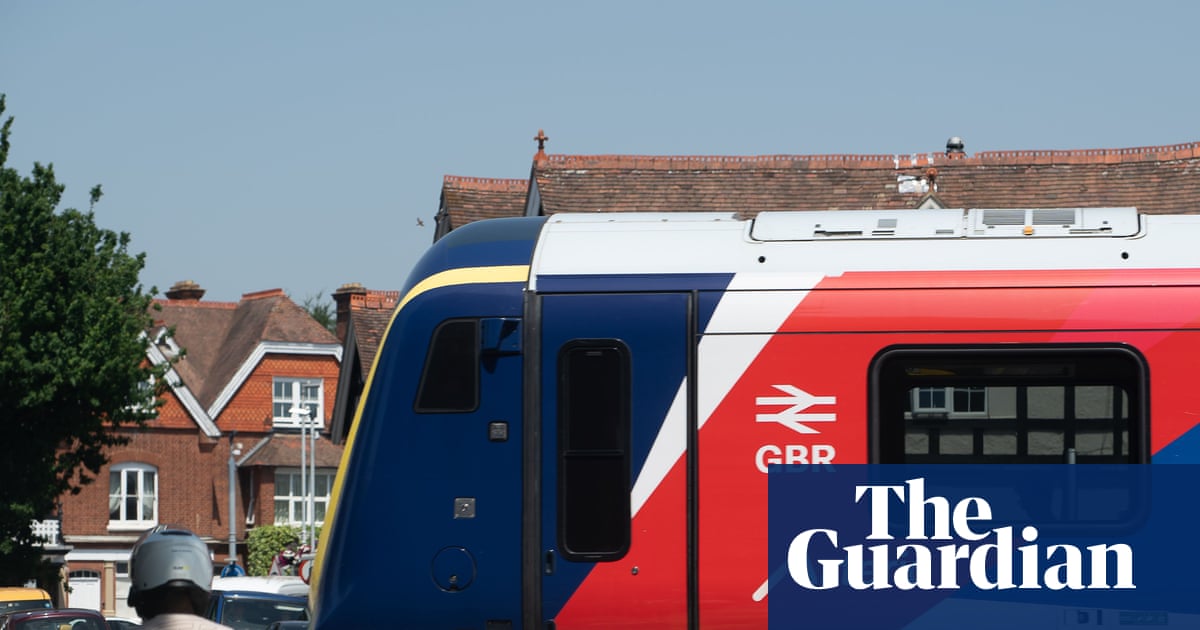
Executive compensation and shareholder returns at Britain’s main train-leasing businesses have drawn sharp criticism after public disclosures revealed that top executives at three primary rolling stock companies were paid a combined £3.5 million over the past year, while the firms distributed almost £400 million in dividends to their financial backers. The figures have re-energized a long-standing national debate over how value and public subsidies are distributed across the United Kingdom’s privatized railway framework. Because train operating companies are required to lease their fleets from a small group of private asset-holding entities, substantial sums derived from passenger fares and government support continue to flow out of the transport network to institutional investors, even as passengers contend with rising ticket prices, service disruptions, and rolling stock shortages.
Key facts
What happened
According to reporting by Gwyn Topham for The Guardian, directors at the three dominant rolling stock leasing entities operating in Great Britain—Angel Trains, Eversholt Rail, and Porterbrook—received a collective executive pay package amounting to £3.5 million over the last reporting year. Simultaneously, the three commercial entities approved equity payouts to their parent holdings and ultimate shareholders totaling almost £400 million.
The structure of the British railway sector means that train operating companies do not usually buy or own the trains they operate. Instead, they lease passenger carriages, electric multiple units, and diesel locomotives from rolling stock companies under long-term commercial contracts. These lease payments constitute a fixed baseline expense for rail operators, funded directly through passenger fare box revenues and taxpayer-backed government grants provided by the Department for Transport.
Financial disclosures indicate that despite wider macroeconomic pressures, high inflation, and operational challenges across the national network, the leasing companies maintained robust cash flows and high profit margins. The guaranteed nature of long-term lease agreements insulates these companies from fluctuations in daily passenger volumes, shifting the primary financial risk onto operating companies and the public purse. Consequently, hundreds of millions of pounds were extracted as net equity distributions to global infrastructure funds, sovereign wealth funds, and private equity vehicles, while executive leadership was rewarded with multi-million-pound remuneration packages.
Why it matters
The disclosure of £3.5 million in executive pay and nearly £400 million in shareholder dividends highlights a central structural issue in the funding of British public transport. Lease payments to rolling stock companies consume a significant fraction of every pound spent on rail operations in Great Britain, directly influencing the baseline cost of running trains across England, Scotland, and Wales.
When substantial profits leave the railway ecosystem to reward external investors, less capital remains available within the network to absorb operating deficits, subsidize passenger fares, or fund long-term capital improvements. Under current contractual arrangements, if a train operating company encounters financial distress or fails to meet revenue targets, state bailouts or direct government takeovers preserve the underlying lease obligations. Taxpayers effectively guarantee the revenue streams of the leasing companies, de-risking private capital while limiting public financial recovery.
Furthermore, these large financial extractions complicate the Labour government's rail reform strategy. While ministers intend to bring passenger train operations back into public control under Great British Railways as commercial contracts expire, the underlying rolling stock assets will remain in private hands. Because buying back the national train fleet outright would cost tens of billions of pounds—a figure viewed as fiscally impossible under present budget constraints—the state will remain a captive tenant to the leasing firms. High profit margins and executive pay structures in the leasing sector mean that public management of train operations may yield limited overall cost savings if train rental rates remain high.
The background
The current landscape of British train ownership traces back to the mid-1990s and the enactment of the Railways Act 1993 under Prime Minister John Major's Conservative administration. The legislation dismantled the vertically integrated, state-owned British Rail, dividing the system into three primary segments: track and signaling infrastructure, passenger train operation, and rolling stock ownership.
In 1994, the government established three state-owned rolling stock companies—Angel Trains, Eversholt Rail Group, and Porterbrook—and transferred British Rail’s entire passenger fleet into their portfolios. In 1996, these three companies were sold off to private consortia for a total of approximately £1.8 billion. Critics at the time argued that the initial sale prices significantly undervalued the assets, handing buyers a highly lucrative, low-risk revenue stream supported by state-backed train operating franchises.
Over the subsequent three decades, ownership of the train leasing firms shifted repeatedly among major international financial institutions, private equity firms, pension funds, and foreign state investment funds. These asset managers treated train fleets as long-duration infrastructure assets capable of generating predictable, low-volatility yields. While rolling stock companies have procured new modern train fleets to replace aging British Rail carriages, industry analysts have repeatedly raised concerns over high capital costs and limited market competition.
By contrast, many continental European railways maintain publicly owned rolling stock pools or allow regional transport authorities to borrow directly at government bond rates to purchase trains. This structure lowers financing costs significantly compared to the UK model, where private leasing companies borrow at commercial rates and price in return-on-equity margins.
Reaction
The revelation of the executive pay totals and shareholder payouts has drawn strong reactions from transport unions, passenger advocacy groups, and political commentators.
Trade union leadership, including representatives from the National Union of Rail, Maritime and Transport Workers and the Associated Society of Locomotive Engineers and Firemen, condemned the payouts as evidence of systemic profiteering. Union leaders argued that extracted profits should be redirected toward improving rail infrastructure, maintaining fair wages, and lowering fares for working people. They reiterated calls for the total nationalization of the railway network, urging the government to extend public ownership to train fleets rather than limiting restructuring to train operations.
Passenger watchdogs, such as Transport Focus and Railfuture, voiced frustration over the scale of dividend extractions at a time when passengers routinely face elevated fares, timetable cuts, and reliability challenges. Advocacy organizations stressed that public trust in the railway system relies on transparent value for money, warning that large payouts to offshore investors and corporate executives undermine public support for transport funding.
Industry bodies and representatives for the rolling stock companies defend the sector's financial performance, arguing that private ownership has mobilized billions of pounds in private sector investment to modernize the UK's train fleets without adding directly to national debt. Leasing firms maintain that dividend distributions reflect long-term capital deployment and risk management, noting that companies shoulder the heavy financial burden of purchasing, maintaining, and upgrading complex technical assets over multi-decade operational lifespans.
What we don't know yet
Several critical details regarding the leasing companies' financial arrangements remain undisclosed or subject to ongoing commercial confidentiality:
What to watch
In the coming months, several key political and economic benchmarks will indicate whether public pressure leads to structural policy changes in the train leasing market:
This report is based on original reporting by Gwyn Topham for The Guardian.
How this story was produced
This report was written by The Global Wire newsroom from reporting first published by Gwyn Topham. We verify the core facts against the original report, write our own account, and add the background and consequences a short wire item leaves out. Drafting is AI-assisted inside an editor-supervised pipeline, and every story is checked for accuracy of attribution, structure and duplication before it appears — full detail in our AI and funding disclosure.
Spotted an error? Tell us at corrections@horizonglobalnews.com and read our corrections policy or editorial standards.



Reader comments
Loading comments…