

Pete Hegseth Accuses US Media of Treason Over Iran War Coverage in State of Force Speech
In a State of the Force address, Secretary Pete Hegseth slammed U.S. news outlets covering military actions involving Iran, framing critical reporting as national betrayal and treason.
By The Global Wire Newsroom · Reported from ET Online
Link preview · horizonglobalnews.com
Pete Hegseth Accuses US Media of Treason Over Iran War Coverage in State of Force Speech
In a State of the Force address, Secretary Pete Hegseth slammed U.S. news outlets covering military actions involving Iran, framing critical reporting as national betrayal and treason.
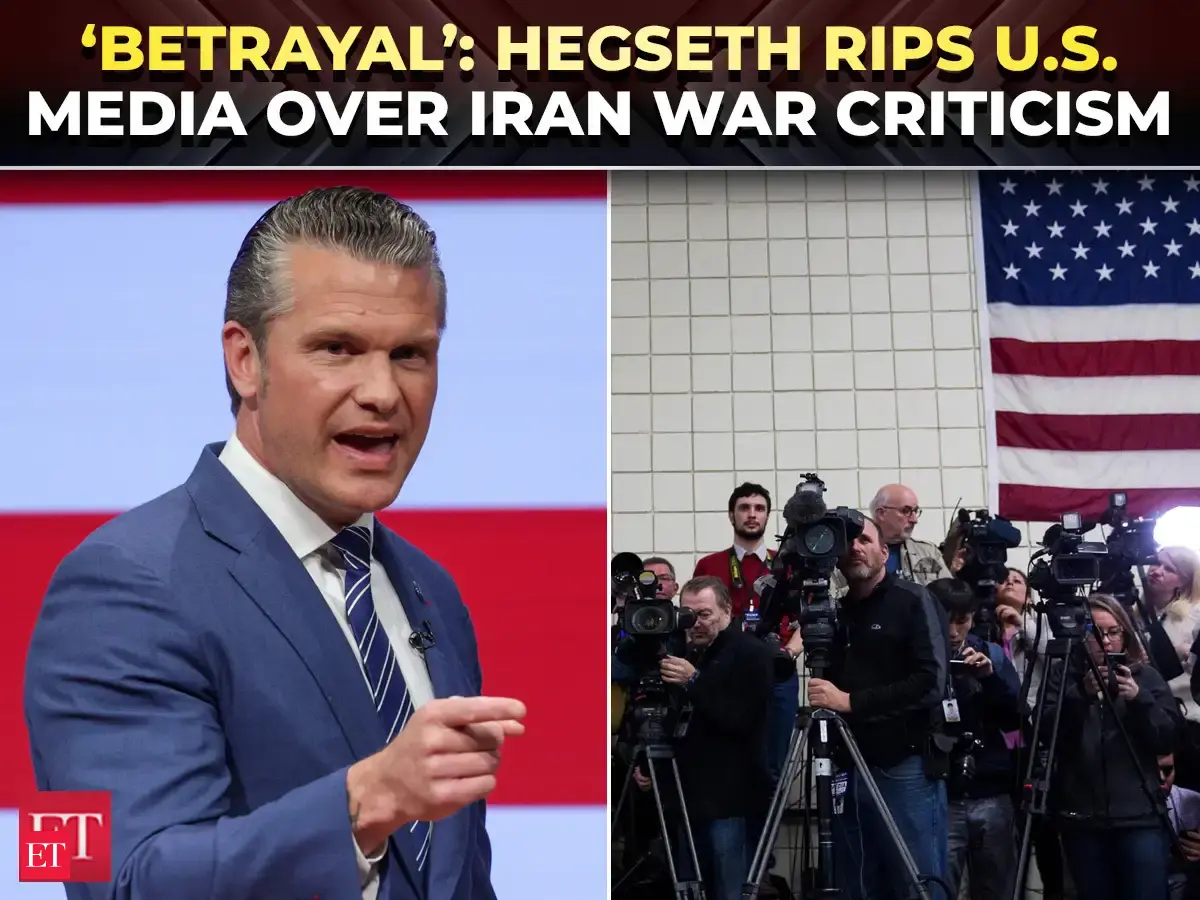
United States Secretary of War Pete Hegseth launched an extraordinarily hostile attack against major American media organizations on October 1, 2026, accusing news outlets covering military operations related to Iran of engaging in "national betrayal" and "treason." Delivering his official "State of the Force" address before military leaders and defense officials, Hegseth characterized recent press coverage of conflict developments as "anti-American" and "sick." The sharp rhetoric marks one of the most confrontational public attacks by a senior defense official against the press in modern American history, raising major concerns among legal scholars, press freedom advocates, and media organizations regarding executive oversight and First Amendment protections during active military engagements.
Key facts
What happened
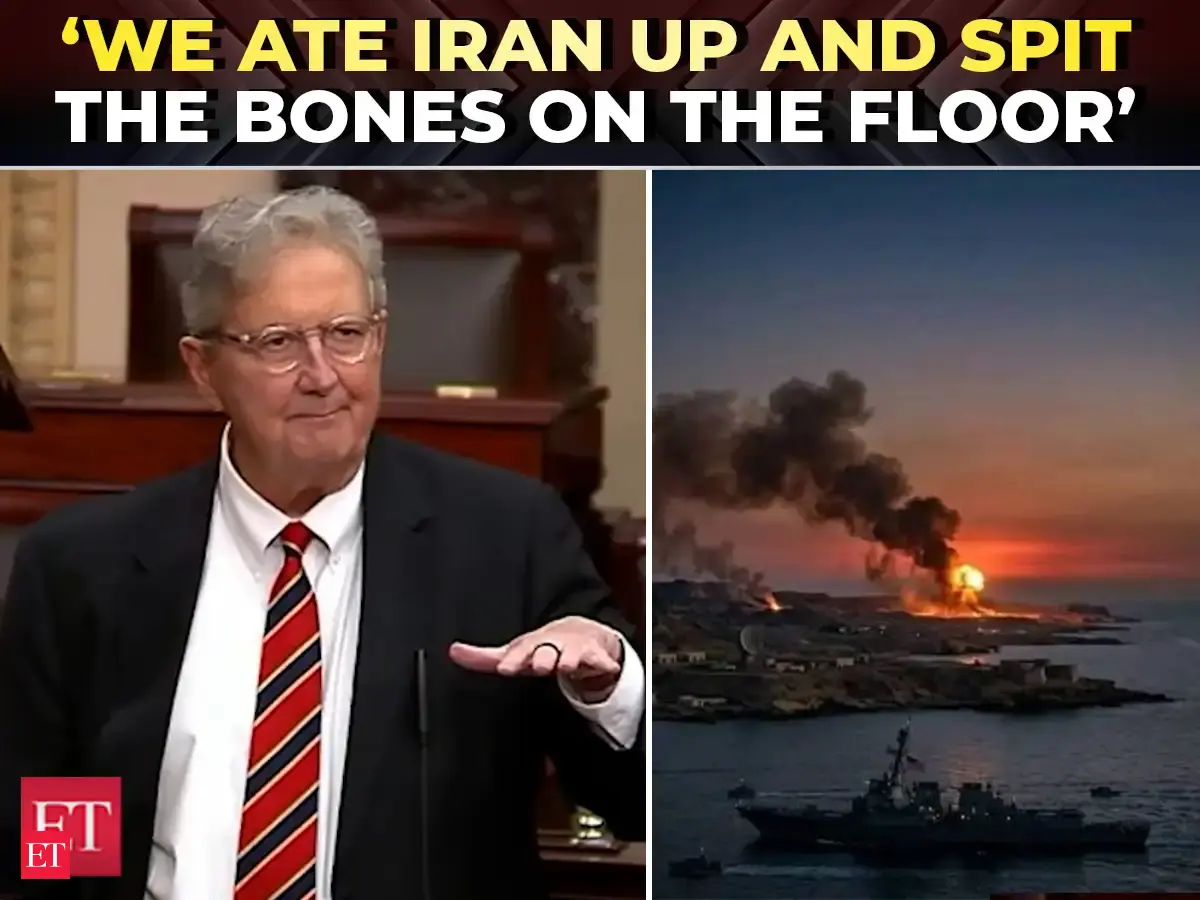
During his scheduled "State of the Force" speech on October 1, 2026, Secretary of War Pete Hegseth devoted a substantial portion of his remarks to lambasting the press over its coverage of U.S. strategy and military activities in the Middle East, particularly regarding Iran. According to reporting by ET Online, Hegseth asserted that key news outlets had crossed the boundary separating permissible democratic debate and political critique from deliberate acts of subversion against the armed forces.
Hegseth repeatedly deployed severe terminology, explicitly describing investigative articles and broadcast reports about the conflict as "sick" and inherently "anti-American." He argued that by highlighting military setbacks, strategic vulnerabilities, internal policy debates, or operational controversies, media organizations were providing comfort to foreign adversaries and undermining military morale. In his address, Hegseth accused specific unnamed segments of the American press corps of acts amounting to "national betrayal" and "treason," suggesting that their reporting actively damaged national security interests during a critical period of geopolitical tension.
The speech was delivered in an official capacity as part of the Department's periodic assessment of military readiness and strategic positioning. While Hegseth stopped short of announcing specific criminal indictments or immediate policy changes regarding press access, the tone and explicit accusation of treason generated immediate concern across the media industry and civil liberties organizations. The accusations come amid heightened public and legislative scrutiny surrounding U.S. regional posture, operational deployments, and strategic objectives regarding Iran.
Why it matters
The public accusation of "treason" made by a sitting cabinet member directing national defense carries severe legal, constitutional, and institutional consequences. Under Article III, Section 3 of the United States Constitution, treason is defined specifically as levying war against the United States, or adhering to their enemies, giving them aid and comfort. It remains the only crime explicitly defined in the text of the Constitution, established with an deliberately high evidentiary threshold requiring the testimony of two witnesses to the same overt act or a confession in open court. By using this specific legal term to characterize journalistic inquiry, executive leadership signals a potential shift toward criminalizing standard national security reporting and investigative journalism.
For news organizations operating domestically and abroad, such accusations from top defense officials introduce operational and security risks. Journalists covering combat operations rely on embedded positions, press passes, and regular access to military briefers. Framing press coverage as inherently treasonous creates an environment in which field reporters may face administrative retaliation, credential revocation, or physical danger from hostility fostered by official rhetoric. Furthermore, labeling press scrutiny as subversion threatens the historic role of independent journalism in holding military and political leaders accountable during wartime.
From a market and defense perspective, public uncertainty regarding military operational transparency can disrupt international markets, particularly energy sector pricing influenced by Middle Eastern stability. When executive officials attack press credibility during active military conflicts, financial markets lose access to independently verified assessments of geopolitical risk, escalating market volatility and strategic unpredictability.
The background
The public dynamic between the United States defense establishment and the press has evolved through decades of conflict, reflecting an enduring structural tension between operational secrecy and democratic accountability. During World War I, the United States Congress enacted the Espionage Act of 1917 and the Sedition Act of 1918, which heavily restricted public criticism of the armed forces and military strategy. While parts of the Sedition Act were repealed in 1920, key provisions of the Espionage Act remain active law and have periodically been utilized by successive presidential administrations to prosecute unauthorized disclosures of classified information.
During the Vietnam War, press coverage played a central role in exposing discrepancies between official government claims and operational realities on the ground, creating what became widely known as the "credibility gap." In response to media disclosures during that era and subsequent conflicts, the Department of Defense established formal structures for managing media access, including the press pool system instituted during the 1991 Persian Gulf War and the embedded journalist program introduced during the 2003 invasion of Iraq.
Historically, the executive office tasked with national defense was established as the Department of War under the Act of Congress in 1789, prior to its restructuring under the National Security Act of 1947, which unified military branches under the Department of Defense. Political rhetoric framing critical journalism as unpatriotic or hostile has recurred during major foreign engagements, yet direct official accusations of "treason" against domestic news outlets by top cabinet secretaries remain extraordinarily rare in modern American governance. Pete Hegseth, a former military officer who served in Iraq and Afghanistan and later worked as a prominent television host prior to his cabinet appointment, has frequently championed an aggressive posture regarding military culture and public communications, criticizing mainstream media outlets for what he portrays as systemic institutional bias against traditional military values and national security priorities.
Reaction
Following Hegseth's address, official responses are anticipated from key institutions across government, journalism, and civil rights law. Freedom of expression organizations, including the Reporters Committee for Freedom of the Press, the Committee to Protect Journalists, and the American Civil Liberties Union, routinely respond to official threats against news organizations by issuing formal statements defending constitutional guarantees under the First Amendment. These organizations are expected to challenge the Secretary's characterization, emphasizing that news reporting on foreign policy and military conflict is legally protected speech vital to democratic governance.
Congressional oversight bodies, particularly the House Armed Services Committee, the Senate Armed Services Committee, and relevant judiciary subcommittees, are expected to seek clarification regarding whether the Department intends to implement concrete policy changes, such as altering media accreditation rules or requesting criminal investigations into news organizations. Additionally, major news organizations and professional journalism bodies, such as the White House Correspondents' Association and the Pentagon Press Association, are anticipated to request formal meetings or submit written inquiries seeking clarification regarding press safety, press pass status, and daily news gathering protocols at military installations.
What we don't know yet
Several critical details regarding Hegseth's statements and their operational implications remain unverified in available accounts. It is currently unknown whether the Secretary's accusations were prompted by specific published articles, broadcast segments, or ongoing investigative leaks involving operational plans regarding Iran. The address did not specify whether any news organizations or individual journalists are under formal criminal investigation by federal law enforcement agencies such as the Department of Justice or military counterintelligence units.
Furthermore, it remains unclear whether the Department of Defense or Department of War intends to institute concrete administrative sanctions against reporters, such as revoking press credentials, ending media embeds, or restricting briefings at the Pentagon. It is also unknown whether Hegseth's remarks reflect a broader, coordinated administration policy or represent an unscripted rhetorical escalation delivered during the speech.
What to watch
In the days following the address, key indicators will determine whether Hegseth's rhetoric translates into tangible policy changes or legal actions:
This report incorporates information originally reported by ET Online detailing Pete Hegseth's State of the Force address and his remarks concerning media coverage of Iran operations.
How this story was produced
This report was written by The Global Wire newsroom from reporting first published by ET Online. We verify the core facts against the original report, write our own account, and add the background and consequences a short wire item leaves out. Drafting is AI-assisted inside an editor-supervised pipeline, and every story is checked for accuracy of attribution, structure and duplication before it appears — full detail in our AI and funding disclosure.
Spotted an error? Tell us at corrections@horizonglobalnews.com and read our corrections policy or editorial standards.

Reader comments
Loading comments…