

Public Misperception of Breast Cancer Risk Persists Despite Nine Daily Deaths in Australia
A new report highlights a growing gap between the Australian public's view of breast cancer as manageable and the reality of nine daily fatalities.
By The Global Wire Newsroom · Reported from Shona Hendley
Link preview · horizonglobalnews.com
Public Misperception of Breast Cancer Risk Persists Despite Nine Daily Deaths in Australia
A new report highlights a growing gap between the Australian public's view of breast cancer as manageable and the reality of nine daily fatalities.
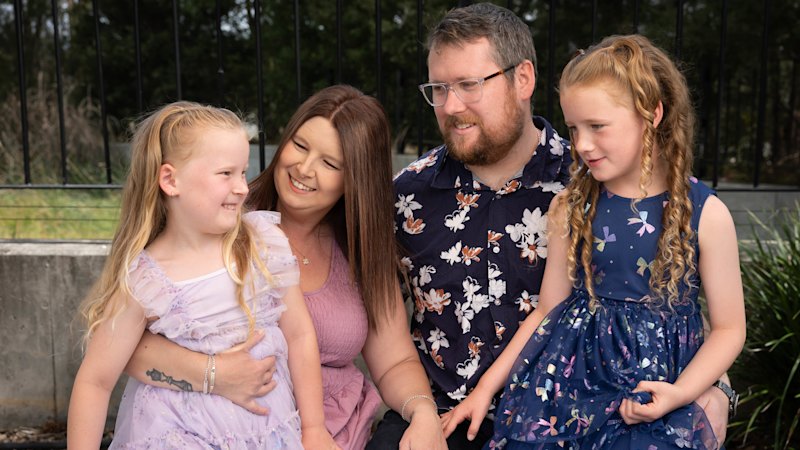
SYDNEY — A public health paradox has emerged in Australia, where growing community optimism surrounding breast cancer survival risks obscuring the ongoing mortality burden of the disease. According to reporting by journalist Shona Hendley published on Oct. 1, 2026, nearly two-thirds of Australians currently perceive breast cancer as more manageable than other forms of cancer. However, health statistics demonstrate that approximately nine people in Australia succumb to breast cancer every single day. Medical experts warn that this gap between public perception and clinical reality could lead to community complacency, reduced vigilance regarding self-examination, and lower participation in screening programs nationwide.
Key facts
What happened
In reporting published by Shona Hendley, survey data indicates a pronounced shift in how the Australian public views breast cancer relative to other oncological conditions. Approximately 66 percent of Australians now categorize breast cancer as a disease that is markedly more manageable than alternative forms of cancer, such as lung, pancreatic, or brain malignancies.
This widespread optimism is largely the result of decades of successful public awareness campaigns, improved early-detection technologies, and widespread public stories of treatment success. Over recent decades, public messaging has focused on high survival rates and the effectiveness of modern medical treatments, which has helped reduce the social stigma and fear historically associated with a cancer diagnosis.
However, this prevailing perception stands in stark contrast to the daily reality of the disease in Australia, where nine lives are lost to breast cancer every 24 hours. The reporting highlights that this optimistic outlook may be generating unintended public health risks. When the public overestimates how manageable a severe disease is, individuals are statistically less likely to treat early signs with appropriate urgency or adhere strictly to recommended routine health screenings.
Why it matters
The divergence between public perception and clinical reality carries profound implications for individual healthcare behavior, health system resources, and patient advocacy. Grounded in established public health mechanics, this disconnect presents several distinct risks:
First, individual diagnostic delays pose a major concern. Early detection remains the most critical factor in achieving favorable treatment outcomes for breast cancer. If Australians operate under the assumption that breast cancer is easily managed or routinely cured regardless of timing, they may hesitate or delay seeking medical evaluation when noticing early physical changes, such as localized lumps, skin texture alterations, or nipple abnormalities. Delays in seeking care increase the likelihood that patients will present with advanced-stage disease, which requires significantly more invasive treatment and carries a lower probability of successful intervention.
Second, community perception directly influences advocacy priorities and charitable research funding. Non-governmental organizations rely heavily on public donations and community engagement to fund clinical research. If the general population perceives breast cancer as a resolved or manageable issue, donor support and political advocacy for research funding may wane. This risks starving vital research initiatives focused on hard-to-treat cancer subtypes and advanced metastatic disease.
Third, the emphasis on high survival rates can create a sense of social isolation for individuals diagnosed with stage IV metastatic breast cancer. When public discourse centers predominantly on manageability and cure, patients with incurable diagnoses often find that their lived experiences and clinical needs are overlooked by broader societal narratives.
The background
To understand how this perceptual gap developed, it is necessary to examine the evolution of breast cancer screening, treatment modalities, and public health communication in Australia over recent decades. This context illustrates how historical progress in oncology inadvertently shaped current public attitudes.
Beginning in the late 20th century, Australia introduced structured national intervention programs aimed at reducing cancer mortality. A cornerstone of this effort was the creation of BreastScreen Australia in the early 1990s, a joint government initiative providing free population-level mammographic screening to targeted age demographics, specifically women aged 50 to 74. Combined with improvements in diagnostic imaging, these programs allowed clinicians to identify tumors at significantly earlier, more treatable stages.
Simultaneously, medical oncology underwent major therapeutic breakthroughs. The development of targeted therapies—such as HER2-inhibitors like trastuzumab—alongside refined hormone therapies, advanced radiation techniques, and modern surgical procedures, dramatically improved post-diagnosis outcomes. Official long-term epidemiological monitoring by government bodies, including the Australian Institute of Health and Welfare (AIHW), reflects these successes: Australia's overall five-year relative survival rate for breast cancer has climbed to over 90 percent for all combined stages, making it one of the highest survival rates in the world.
However, clinical oncology distinguishes clearly between localized early-stage disease and advanced metastatic cancer. Breast cancer encompasses several distinct biological subtypes, including hormone receptor-positive, HER2-positive, and triple-negative breast cancer. While early-stage localized disease can often be successfully placed into long-term remission, metastatic breast cancer—wherein malignant cells metastasize to distant organs such as the bones, liver, lungs, or brain—remains incurable. The ongoing daily mortality figure of nine Australians represents cases where disease progression, late diagnosis, or treatment resistance resulted in fatal outcomes. Public messaging that emphasizes overall survival averages frequently obscures these critical clinical nuances.
Reaction
Following the release of the survey metrics, health advocates and medical practitioners have highlighted the ongoing challenge of crafting public messaging that encourages hope without fostering complacency. Although formal statutory announcements were not contained in the initial report by Shona Hendley, response strategies among health bodies and advocacy groups typically focus on recalibrating educational outreach.
Non-profit organizations, including the National Breast Cancer Foundation and Breast Cancer Network Australia, routinely evaluate community survey data to refine public education efforts, particularly during international focus periods like Breast Cancer Awareness Month in October. Medical specialists, including members of the Medical Oncology Group of Australia, consistently emphasize that high survival rates are dependent upon continuous population screening and prompt diagnostic investigation of symptoms. Oncologists and clinical experts are expected to use these findings to push for greater public recognition of metastatic breast cancer and the need for continued clinical research into treatment-resistant disease strains.
What we don't know yet
While the data reported by Shona Hendley confirms that nearly two-thirds of Australians perceive breast cancer as manageable despite nine daily deaths, several important empirical questions remain unaddressed in the available reporting:
What to watch
Several concrete milestones and institutional metrics will indicate how health organizations and the Australian public respond to these findings:
This report is based on original journalism published by Shona Hendley.
How this story was produced
This report was written by The Global Wire newsroom from reporting first published by Shona Hendley. We verify the core facts against the original report, write our own account, and add the background and consequences a short wire item leaves out. Drafting is AI-assisted inside an editor-supervised pipeline, and every story is checked for accuracy of attribution, structure and duplication before it appears — full detail in our AI and funding disclosure.
Spotted an error? Tell us at corrections@horizonglobalnews.com and read our corrections policy or editorial standards.


Reader comments
Loading comments…