

Federal Grand Jury Issues Subpoena to Former Comey Adviser Daniel Richman in Leak Probe
The Department of Justice has subpoenaed law professor Daniel Richman, a longtime confidant of former FBI Director James Comey, as part of an ongoing federal leak investigation.
By The Global Wire Newsroom · Reported from Anders Hagstrom
Link preview · horizonglobalnews.com
Federal Grand Jury Issues Subpoena to Former Comey Adviser Daniel Richman in Leak Probe
The Department of Justice has subpoenaed law professor Daniel Richman, a longtime confidant of former FBI Director James Comey, as part of an ongoing federal leak investigation.
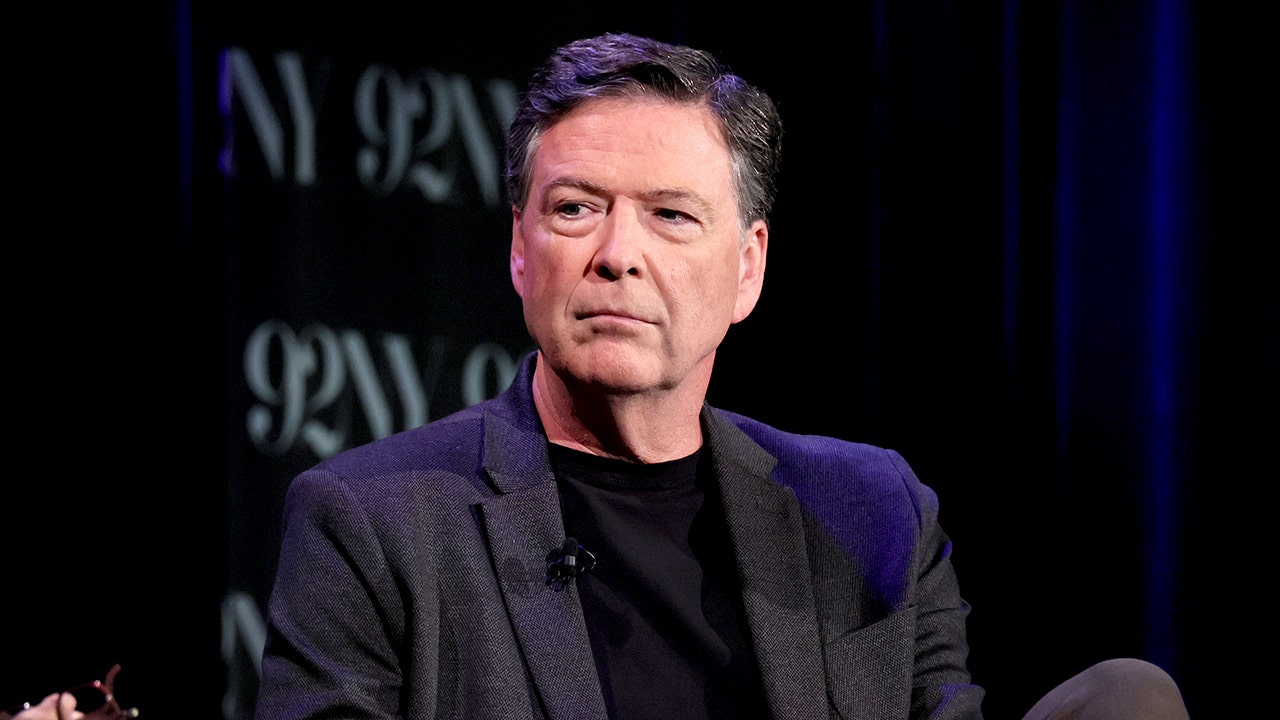
WASHINGTON — The Department of Justice has issued a federal grand jury subpoena to Daniel Richman, a Columbia Law School professor and longtime adviser to former Federal Bureau of Investigation Director James Comey, in connection with an ongoing investigation into unauthorized leaks of government information, according to reporting by journalist Anders Hagstrom. The development marks a new phase in long-running federal inquiries surrounding the handling of sensitive law enforcement records and internal executive branch communications dating back to Comey's tenure leading the FBI.
Key facts
What happened
According to reporting by Anders Hagstrom on August 31, 2026, federal prosecutors handling an active leak investigation issued a formal grand jury subpoena to Daniel Richman. Richman, a tenured professor at Columbia Law School, has maintained a professional relationship with former FBI Director James Comey spanning several decades, having previously worked alongside him as a federal prosecutor in the U.S. Attorney's Office for the Southern District of New York.
The grand jury subpoena grants federal prosecutors authority under the Department of Justice to compel sworn testimony and force the production of electronic records, physical documents, and personal communications relevant to unauthorized disclosures. The specific scope of the subpoena served on Richman—including whether it demands digital files, written records, or personal appearance for testimony before a grand jury panel—has not been publicly detailed by law enforcement officials or Richman's legal representatives.
Under federal criminal procedure, grand juries operate in secret to evaluate whether there is probable cause to believe that a federal crime occurred. Serving a grand jury subpoena on an individual does not automatically indicate that criminal charges are pending against that person; rather, it demonstrates that federal prosecutors consider the recipient's testimony or records material to an active criminal inquiry.
Why it matters
The extension of a federal grand jury investigation to direct associates of former law enforcement officials carries significant constitutional, institutional, and policy implications. For the Department of Justice, federal leak inquiries balance national security protections, executive privilege, and public transparency. When grand juries examine communications involving high-level government figures and legal advisers, the process requires careful navigation of attorney-client privilege, work-product protections, and legal boundaries separating public oversight from unlawful disclosure.
From a legal standpoint, grand jury subpoenas are among the government's most potent investigative tools. Unlike administrative requests or civil discovery, failing to comply with a federal grand jury subpoena can lead to civil or criminal contempt proceedings, which carry severe financial sanctions or imprisonment. Additionally, providing false statements to federal agents or a grand jury during an active probe constitutes a felony under 18 U.S.C. § 1001, carrying penalties of up to five years in federal prison per count.
For public institutions and legal observers, grand jury activity targeting individuals linked to prior agency controversies highlights the long legal duration of executive branch disputes. The invocation of grand jury authority signals that federal leak probes remain active, while raising ongoing questions regarding the legal standards applied to government officials who share information with outside contacts.
The background
Understanding the subpoena served on Daniel Richman requires examining the events of May 2017 following President Donald Trump's dismissal of James Comey as FBI Director. After his removal from office on May 9, 2017, Comey authorized Richman to share the contents of contemporaneous memos Comey had written documenting his private meetings and phone conversations with the president.
Comey testified before the Senate Select Committee on Intelligence in June 2017 that he asked Richman to share the substance of one specific unclassified memo with a reporter at The New York Times. Comey stated during public testimony that his objective in arranging the disclosure was to prompt the appointment of a special counsel to oversee the federal investigation into Russian interference in the 2016 U.S. presidential election. Days after the contents of the memo were reported in the press, Deputy Attorney General Rod Rosenstein appointed Robert Mueller as Special Counsel on May 17, 2017.
The handling of these records became the subject of an extensive administrative review by the Department of Justice Office of the Inspector General (OIG). In August 2019, Inspector General Michael Horowitz published a 62-page report evaluating Comey's compliance with departmental rules regarding the retention and dissemination of official FBI records. The OIG report noted that while Comey created seven memos, four contained information subsequently classified by the FBI as "Secret" or "Confidential."
The inspector general concluded that Comey violated department policies and his FBI employment agreement by retaining non-public memos at his home and transmitting copies of four memos to his private attorneys, including Richman. However, the Department of Justice declined criminal prosecution of Comey following the OIG referral in 2019, citing a lack of evidence of intentional unauthorized disclosure of classified national defense information under federal espionage statutes.
Despite the 2019 declination of charges against Comey, federal leak inquiries inside the Department of Justice have continued across successive administrations. Federal prosecutors periodically utilize grand jury panels to determine whether peripheral figures or former officials violated statutes governing government property under 18 U.S.C. § 641 or laws prohibiting unauthorized disclosure of sensitive law enforcement materials.
Reaction
Following the report by Anders Hagstrom regarding the subpoena, official reactions from the Department of Justice and representatives for the involved parties remain limited, in accordance with federal rules surrounding grand jury secrecy. The Department of Justice maintains a standard policy of declining comment on pending grand jury inquiries or subpoena service.
Neither Daniel Richman nor his legal representatives have issued a public statement concerning the grand jury subpoena, nor have they indicated whether they intend to comply, assert privilege, or file a motion to quash the order in federal court. Similarly, representatives for James Comey have not issued a public comment regarding the new investigative step.
Legal scholars and civil liberties experts monitor such proceedings closely. Supporters of strict secrecy enforcement argue that rigorous application of disclosure laws is necessary to prevent selective leaks by government officials. Conversely, legal scholars caution that broad leak investigations targeting advisers can create a chilling effect on legitimate oversight and governmental accountability.
What we don't know yet
Several key elements of the federal grand jury investigation remain unknown due to statutory confidentiality rules governing grand jury proceedings under federal law:
What to watch
In the coming weeks, several key developments will determine the course of this grand jury proceeding:
This account is based on original reporting by journalist Anders Hagstrom.
How this story was produced
This report was written by The Global Wire newsroom from reporting first published by Anders Hagstrom. We verify the core facts against the original report, write our own account, and add the background and consequences a short wire item leaves out. Drafting is AI-assisted inside an editor-supervised pipeline, and every story is checked for accuracy of attribution, structure and duplication before it appears — full detail in our AI and funding disclosure.
Spotted an error? Tell us at corrections@horizonglobalnews.com and read our corrections policy or editorial standards.



Reader comments
Loading comments…