

Women Launch Civil Claim Against Metropolitan Police Over Coronation Pre-Emptive Arrests
A group of women claims wrongful arrest, 14-hour detentions, and full-body searches ahead of the state event, according to reporting by Danny Halpin.
By The Global Wire Newsroom · Reported from Danny Halpin
Link preview · horizonglobalnews.com
Women Launch Civil Claim Against Metropolitan Police Over Coronation Pre-Emptive Arrests
A group of women claims wrongful arrest, 14-hour detentions, and full-body searches ahead of the state event, according to reporting by Danny Halpin.
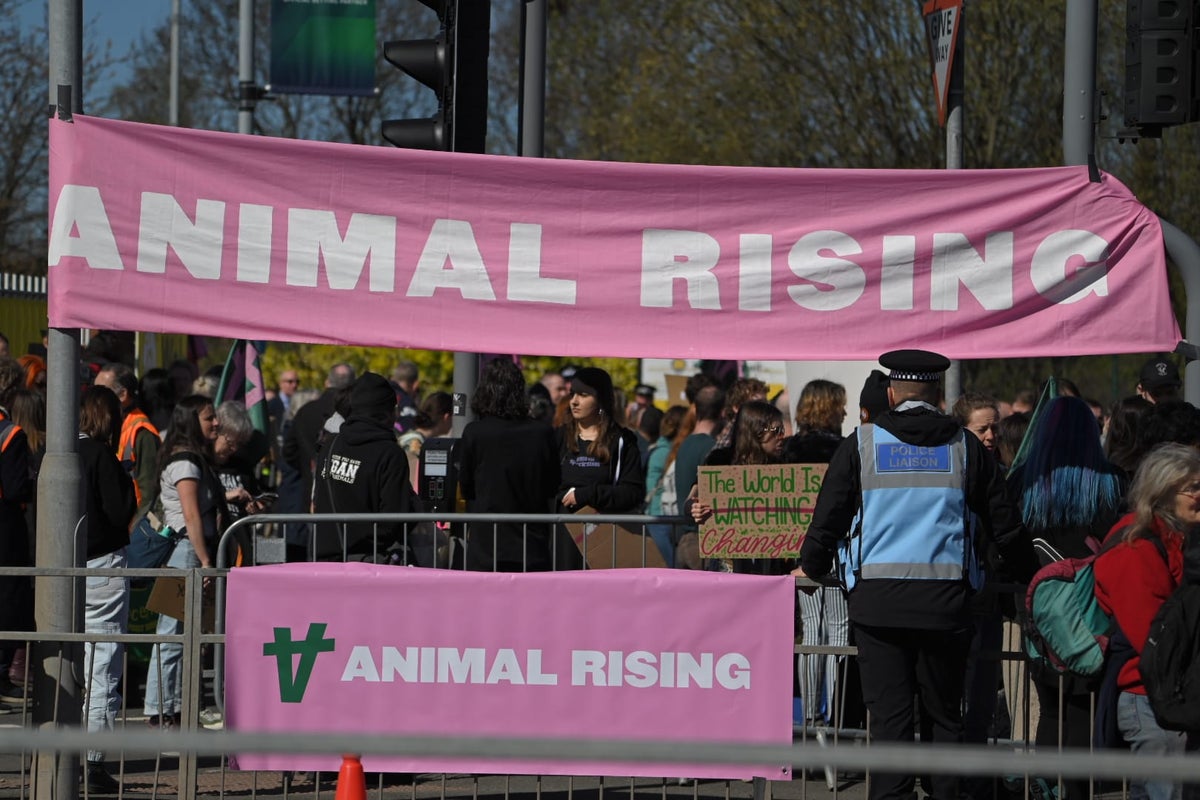
A group of women has initiated legal action against London's Metropolitan Police Service over their detentions in the period leading up to the Coronation of King Charles III, according to reporting by Danny Halpin. The claimants state that they were unlawfully arrested on suspicion of conspiracy to cause a public nuisance as police carried out a major security operation across the capital.
During their time in police custody, the women were subjected to full-body searches and held in station cells for periods lasting up to 14 hours. The lawsuit challenges both the legal justification for their initial arrests and the severity of the procedures enforced while they were detained.
Claims of Unlawful Arrest and Custody Procedures
The civil action centers on allegations that the Metropolitan Police acted without sufficient lawful grounds when taking the women into custody. According to reporting by Danny Halpin, the individuals were taken into custody under suspicion of conspiracy to cause a public nuisance, an offense frequently cited by authorities seeking to prevent pre-planned disruptions at major national events.
The claimants allege that their arrests were wrongful and that the subsequent custody procedures were disproportionate. Being held for up to 14 hours, combined with full-body searches, represented a significant deprivation of liberty, according to the suit. In civil litigation against UK police forces, claims of wrongful arrest generally seek official acknowledgment of unlawful conduct alongside financial compensation for false imprisonment and human rights violations.
Security Operations for the State Event
The arrests occurred within the context of one of the largest and most complex security operations undertaken by London law enforcement in decades. In the days and hours preceding the Coronation of King Charles III, thousands of police officers from across the United Kingdom were deployed across central London to secure procession routes, safeguard royal figures and visiting international dignitaries, and manage massive public crowds.
As part of the operational plan, the Metropolitan Police implemented proactive policing measures designed to mitigate potential risks. Senior police officials emphasized at the time that law enforcement would maintain a low threshold for intervention against any activity deemed capable of causing severe public disruption or endangering safety along the ceremonial pathways.
Public Order Laws and Pre-Emptive Detentions
The legal basis invoked during the arrests—conspiracy to cause a public nuisance—reflects recent changes and existing provisions within public order legislation in England and Wales. Statutory public nuisance laws specify that an individual commits an offense if their conduct causes serious harm, inconvenience, or distress to the public, or impedes the public in the exercise of common rights.
Because the charge of conspiracy involves an agreement to carry out a future act, it provides law enforcement officers with the statutory framework to arrest individuals before an alleged disruption takes place. However, legal experts and civil liberties organizations have repeatedly emphasized that the use of pre-emptive powers requires a high evidentiary standard. To make a lawful arrest under UK law, officers must possess reasonable grounds to suspect that an offense is being or is about to be committed, and that the arrest is necessary under statutory police codes.
Scrutiny Over Search Powers in Custody
A central component of the legal challenge reported by Danny Halpin involves the full-body searches conducted while the claimants were held in custody. Under the Police and Criminal Evidence Act 1984 (PACE) and its associated codes of practice, invasive searches such as strip searches or full-body examinations inside police custody suites are subject to strict procedural rules.
Police regulations dictate that full-body searches may only be conducted when an officer has reasonable grounds to believe that a detained person is concealing an item that could cause physical harm, facilitate an escape, or constitute evidence related to an offense. Furthermore, such searches must be conducted with regard to the dignity and privacy of the detainee. The legal action brought by the group argues that the application of full-body searches in their specific circumstances was unnecessary and unlawful.
Impact on Civil Liberties and Freedom of Assembly
The legal challenge underscores broader discussions surrounding the balance between public safety imperatives and fundamental civil liberties during major state events. Rights groups have voiced persistent concern that aggressive pre-emptive policing tactics risk infringing upon the rights to freedom of expression and peaceful assembly protected under the European Convention on Human Rights, which is incorporated into domestic law via the Human Rights Act 1998.
When detentions extend up to 14 hours without resulting in criminal charges, critics argue that the practice can act as a form of arbitrary detention that deters lawful public participation. The Metropolitan Police has previously maintained that its officers act in good faith and within statutory parameters to balance individual rights against the necessity of maintaining public order and safety during major operations.
Civil Proceedings and Institutional Accountability
The civil claim against the Metropolitan Police Service will now proceed through the civil court system, where legal representatives for the claimants and the police force will present arguments and evidence regarding the lawfulness of the arrests and custody management.
In such cases, the court evaluates whether arresting officers met the statutory requirements for reasonable suspicion and whether the duration and conditions of detention were justified under the law. If the court finds in favor of the claimants, the police service could face liability for damages and be required to review its operational guidelines for future mass-policing operations.
This report is based on original news reporting by Danny Halpin.
How this story was produced
This report was written by The Global Wire newsroom from reporting first published by Danny Halpin. We verify the core facts against the original report, write our own account, and add the background and consequences a short wire item leaves out. Drafting is AI-assisted inside an editor-supervised pipeline, and every story is checked for accuracy of attribution, structure and duplication before it appears — full detail in our AI and funding disclosure.
Spotted an error? Tell us at corrections@horizonglobalnews.com and read our corrections policy or editorial standards.





Reader comments
Loading comments…