

V2X Selected to Produce Missile Carriage Hardware for U.S. Air Force B-52 Fleet Modernization
Defense technology firm V2X will manufacture carriage equipment to integrate the nuclear-capable Long Range Stand Off cruise missile onto modernized B-52 Stratofortress bombers.
By The Global Wire Newsroom · Reported from Atharva Gosavi
Link preview · horizonglobalnews.com
V2X Selected to Produce Missile Carriage Hardware for U.S. Air Force B-52 Fleet Modernization
Defense technology firm V2X will manufacture carriage equipment to integrate the nuclear-capable Long Range Stand Off cruise missile onto modernized B-52 Stratofortress bombers.
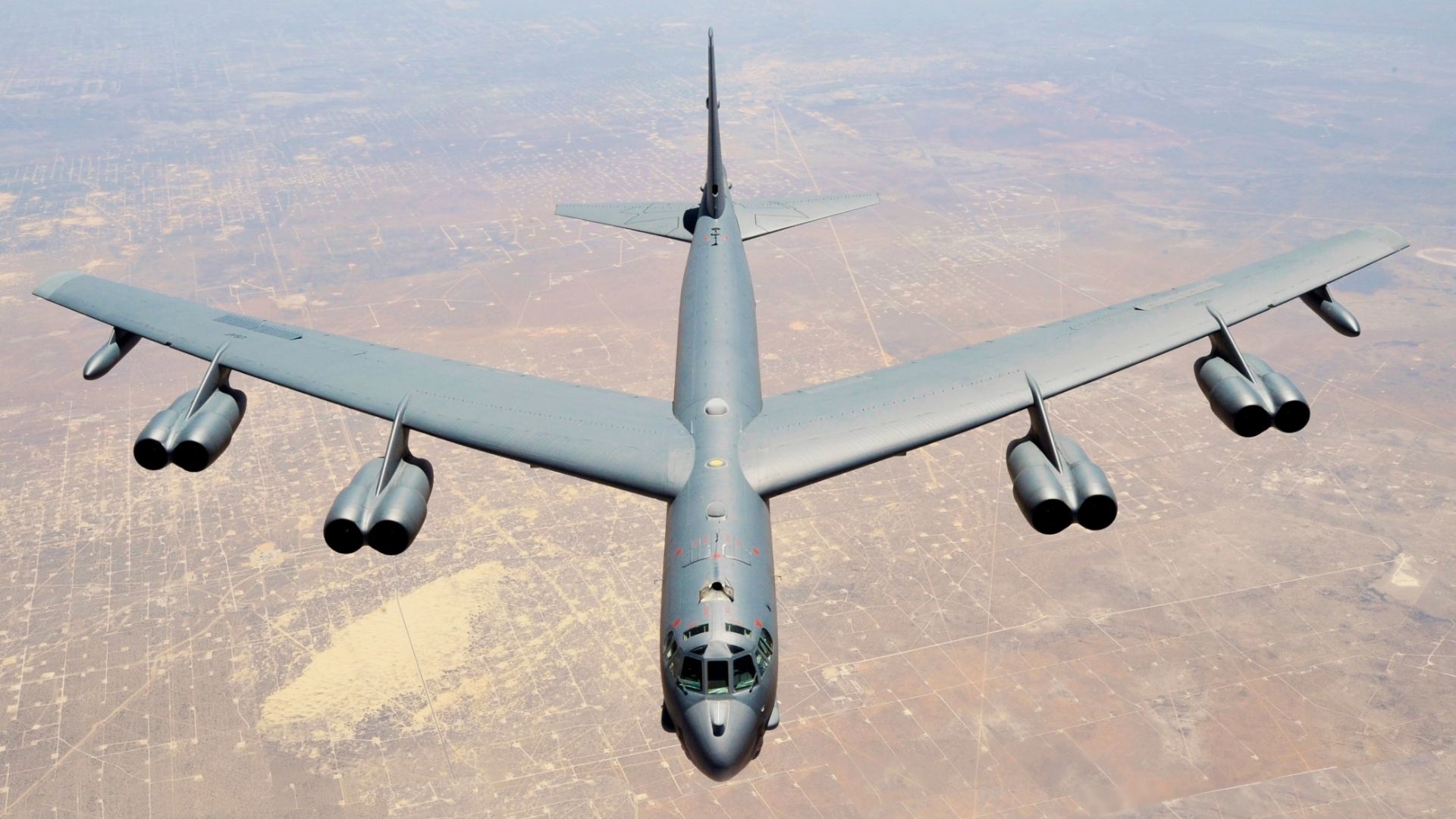
The United States Air Force is advancing the integration of its next-generation nuclear cruise missile onto its strategic heavy bomber fleet, selecting defense technology firm V2X to manufacture specialized carriage equipment for the B-52 Stratofortress. According to reporting by Atharva Gosavi, V2X will produce the hardware required to attach, store, and launch the nuclear-armed Long Range Stand Off cruise missile from the heavy bomber platform. The manufacturing arrangement represents a critical engineering step in bringing the military’s primary air-launched nuclear standoff weapon from testing into fleet service, ensuring that B-52 aircraft remain central to the airborne leg of the American nuclear triad through mid-century.
Key facts
What happened
The Air Force's selection of V2X for carriage hardware addresses one of the primary mechanical and electronic requirements in updating legacy strategic bomber platforms: adapting older aircraft frames to carry modernized, digitally integrated guided weapons. Bomber carriage systems consist of heavy-duty wing pylons and internal launcher assemblies, such as Strategic Rotary Launchers, fitted with specialized wiring harnesses, data transfer systems, and release units capable of enduring extreme flight conditions and flight vibration.
According to reporting by Atharva Gosavi, V2X will supply carriage components engineered to match the physical geometry, weight distribution, and digital communication standards required by the Long Range Stand Off (LRSO) missile. Because the AGM-181 features updated stealth contours and digital navigation suites distinct from previous generations of cruise missiles, existing mounting assemblies require specialized structural and electronic adapters.
Manufacturing this carriage equipment enables weapons integration teams to execute ground testing and flight integration protocols on B-52 test aircraft. These evaluations verify structural load tolerances, aerodynamic drop characteristics, and electronic signaling protocols between the bomber's mission computers and the cruise missile prior to full operational fielding across active Air Force squadrons.
Why it matters
The procurement of dedicated weapon carriage hardware is a pivotal step in preserving long-range strategic power projection. Non-stealth strategic bombers like the B-52 depend on standoff weaponry to strike fortified targets without flying into range of advanced foreign air defense networks. Without modern cruise missiles and reliable carriage mechanisms, older strategic aircraft would face severe operational limits against modern integrated air defenses, such as long-range surface-to-air missile systems deployed by near-peer competitors.
The LRSO missile is engineered to navigate at low altitudes, present a low radar signature, and penetrate dense anti-access and area-denial environments across thousands of miles. The physical carriage interface dictates both payload capacity and operational flexibility. Internal rotary carriage allows heavy bombers to conceal nuclear cruise missiles inside internal bays to reduce radar reflectivity during transit, while wing pylons allow maximum payload transport when mission profiles demand additional capacity. Modern digital carriage interfaces also allow flight crews to program flight vectors, upload target coordinates, and assess weapon status in real time before deployment.
Maintaining the B-52 as a nuclear-capable launch platform preserves a visible and flexible element of the nuclear triad. Unlike intercontinental ballistic missiles positioned in fixed silos or ballistic missile submarines hidden underwater, strategic bombers can be publicly moved, held on high alert, or deployed to forward operating bases as a diplomatic and deterrence posture during international crises.
The background
The Boeing B-52 Stratofortress entered active operational service in 1955, with the final operational variant, the B-52H, delivered between 1960 and 1962. Despite its age, the B-52 remains a core element of U.S. Global Strike Command due to its substantial payload capacity and extensive operational range.
To keep the fleet effective through 2050, the Air Force initiated a comprehensive fleet overhaul. Key upgrades include the Commercial Engine Replacement Program, which replaces legacy Pratt & Whitney TF33 engines with modern Rolls-Royce F130 turbofans, alongside new active electronically scanned array radar systems and digitized cockpit displays. Modernized aircraft receiving these upgrades will be designated as the B-52J.
The Air Force's current air-launched nuclear standoff capability relies on the AGM-86B Air Launched Cruise Missile, introduced in 1982. Designed with an initial service life of 10 years, the AGM-86B has undergone several maintenance extensions. However, aging components and advancements in foreign radar and surface-to-air missile technologies prompted the Department of Defense to begin developing the LRSO as a replacement in 2011.
In 2021, the Air Force selected Raytheon Technologies to manufacture the AGM-181 LRSO. Parallel to airframe development, the National Nuclear Security Administration is developing the W80-4 nuclear warhead to arm the missile. The LRSO is intended for deployment on both the upgraded B-52J and the stealthy B-21 Raider.
V2X Inc., created in 2022 following the merger of defense services companies Vectrus and Vertex Aerospace, provides defense engineering, supply chain management, and mission support capabilities to military customers globally.
Reaction
Neither the Department of Defense nor V2X released immediate public details regarding the total contract value or delivery schedules. Industry analysts view the contract as a standard progression within major defense acquisition programs, shifting from missile design toward practical hardware production and platform integration.
Under standard procurement frameworks, major defense programs remain subject to oversight by congressional defense committees, including the House and Senate Armed Services Committees. Modernization of the air-launched leg of the nuclear triad has generally maintained strong legislative support as part of broader strategic deterrence funding.
While some national security policy commentators have questioned the long-term cost efficiency of maintaining both stealth bombers and standoff cruise missiles, defense officials maintain that standoff capabilities are essential to ensure that conventional and strategic platforms remain versatile against modern air defense systems.
What we don't know yet
Several technical and operational details concerning the V2X carriage contract remain undisclosed. Public reports have not specified the total monetary value of the production agreement or the specific timeline for hardware delivery to test wings and operational squadrons.
It remains unverified whether the initial batch of V2X carriage hardware will require physical or electronic modifications to transition from current B-52H aircraft to the modernized B-52J standard. Furthermore, specific payload figures—detailing the exact number of AGM-181 missiles a single aircraft can carry across internal and external store points—remain classified under military security guidelines.
It is also unknown whether V2X or a separate contractor will produce the corresponding internal launch assemblies required to integrate the LRSO missile onto the B-21 Raider stealth bomber fleet.
What to watch
This report is based on original reporting by Atharva Gosavi.
How this story was produced
This report was written by The Global Wire newsroom from reporting first published by Atharva Gosavi. We verify the core facts against the original report, write our own account, and add the background and consequences a short wire item leaves out. Drafting is AI-assisted inside an editor-supervised pipeline, and every story is checked for accuracy of attribution, structure and duplication before it appears — full detail in our AI and funding disclosure.
Spotted an error? Tell us at corrections@horizonglobalnews.com and read our corrections policy or editorial standards.


Reader comments
Loading comments…