

Intestine-Inspired Microbial Biobattery Delivers Eight-Fold Jump in Power Generation
A biomimetic energy cell based on the architecture of the small intestine generates eight times more electrical power, signaling a potential shift in low-power bio-electronics.
By The Global Wire Newsroom · Reported from Etiido Uko
Link preview · horizonglobalnews.com
Intestine-Inspired Microbial Biobattery Delivers Eight-Fold Jump in Power Generation
A biomimetic energy cell based on the architecture of the small intestine generates eight times more electrical power, signaling a potential shift in low-power bio-electronics.
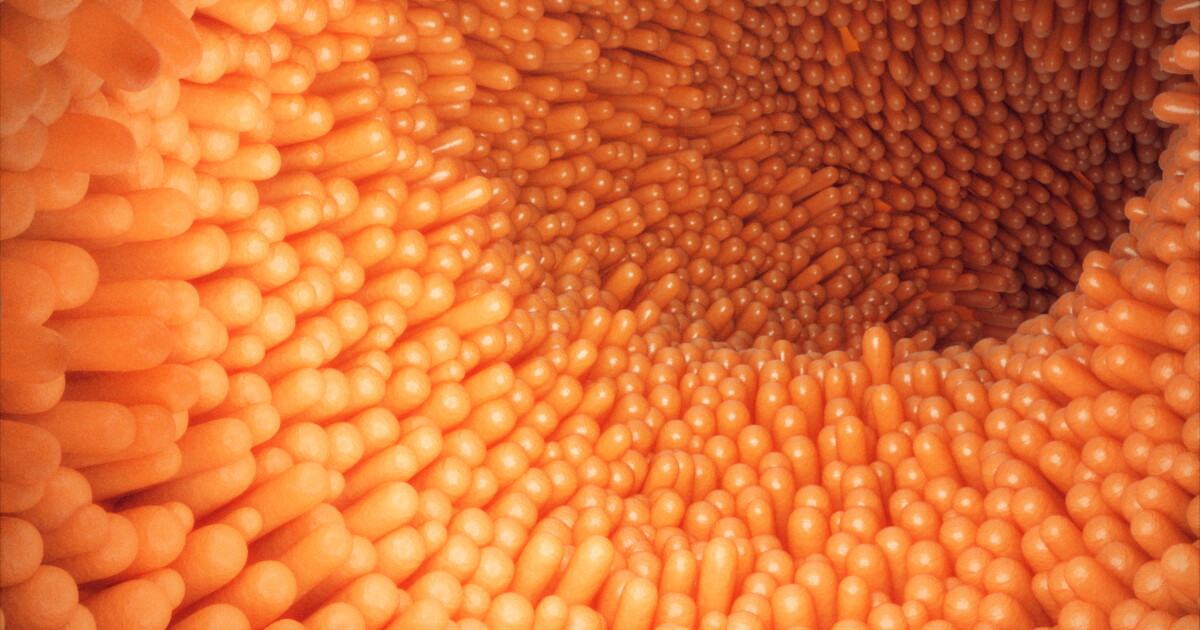
A novel bacterial biobattery modeled on the structural and functional mechanisms of the small intestine has achieved an eight-fold increase in electrical power output, according to reporting published on October 31, 2026, by technology writer Etiido Uko. The development represents a notable shift in bio-electrochemical design by applying the biological principles that govern gastrointestinal absorption, fluid transport, and surface-area scaling to the long-standing challenge of microbial energy density. While conventional biobatteries have historically struggled to generate sufficient wattage for continuous electronic tasks, the intestine-inspired architecture leverages digestive biology to drastically improve the interaction between electrogenic microbes and electrical collectors.
Key facts
What happened
According to reporting by Etiido Uko, engineering researchers developed a bacterial biobattery whose operational architecture draws direct inspiration from the biological functions of the small intestine. In mammalian anatomy, the small intestine is responsible for chemical digestion, nutrient and fluid absorption, mucosal immune defense, and hormone secretion. The newly reported power device applies these integrated processes to overcome the mass-transport and surface-contact bottlenecks that have constrained bio-electrochemical systems for decades.
In standard microbial energy devices, bacteria break down organic compounds through cellular respiration, releasing electrons that are transferred across a cell membrane to an insoluble electrode, usually known as an anode. The rate of this energy transfer has historically been restricted by stagnant fluid dynamics, uneven bacterial colonization, and the limited geometric surface area of planar electrodes.
By translating the functional topography of the gastrointestinal lining into the interior design of the cell, the researchers engineered an environment where nutrient-rich fluids flow efficiently over biologically active surfaces. This structural imitation allows electrogenic microorganisms to maintain closer, denser packing along the conductive collector surfaces, facilitating rapid fuel supply and efficient metabolite clearance. The resulting configuration produced an eight-fold increase in overall electrical power output compared to conventional configurations, demonstrating that complex anatomical systems can serve as precise templates for overcoming microscale transport limitations.
Why it matters
Achieving an eight-fold power enhancement in a microbial power cell addresses the central barrier preventing living biobatteries from moving out of experimental laboratories and into practical industrial deployment. For decades, microbial fuel cells and biobatteries have generated outputs measured primarily in microwatts per square centimeter. While sufficient to trickle-charge capacitors over extended periods or power tiny, intermittent digital clocks, these output levels have routinely fallen short of the operational thresholds demanded by modern microcontrollers, environmental telemetry radios, and active medical sensors.
An order-of-magnitude increase alters that equation. In real-world terms, an eight-fold leap brings microbial power generation into the operational range required for continuous low-power wireless data transmission, including protocols such as Bluetooth Low Energy (BLE) and LoRaWAN. Rather than relying on toxic heavy metals like lithium, cobalt, and cadmium, devices powered by bacterial biobatteries operate using biodegradable materials, ambient moisture, and renewable organic broths or bodily fluids.
For environmental monitoring, such power systems could enable autonomous sensors deployed in remote waterways, agricultural soil beds, and oceanic depths to transmit data indefinitely without battery replacements. In healthcare, the alignment between intestinal physiology and battery architecture opens possibilities for ingestible diagnostic capsules that draw energy directly from the digestive tract's internal biochemical milieu, eliminating the chemical rupture hazards associated with conventional sealed alkaline or lithium-ion cells.
The background
The fundamental science underlying microbial power generation dates back to 1911, when British botanist Michael Cresse Potter at Durham University first demonstrated that living cultures of yeast and bacteria produced an electrical current during organic decomposition. Potter's discovery languished as an academic curiosity until the 1960s, when the United States National Aeronautics and Space Administration (NASA) began examining bio-fuel cells as a theoretical method for recycling human metabolic waste during prolonged spaceflight missions.
Interest expanded significantly during the late 1990s and early 2000s following the isolation and genomic sequencing of specialized exoelectrogenic bacterial genera, most notably *Geobacter* and *Shewanella*. These organisms possess specialized outer-membrane cytochromes and electrically conductive biological appendages—often called microbial nanowires—that permit extracellular electron transfer directly to solid mineral surfaces or metal electrodes outside the cell body.
Despite these biological discoveries, engineering a scalable device has remained difficult. Planar electrodes provide insufficient area for thick biofilms to transfer electrons before inner bacterial layers suffocate from lack of nutrients or electron acceptors. To resolve this, researchers have increasingly turned to biomimetics—the practice of emulating biological structures refined by natural selection.
The human small intestine represents one of biology's most efficient mass-exchange systems. Spanning roughly six meters in length, its inner wall is covered with circular folds, finger-like projections called villi, and microscopic microvilli. This layered hierarchy expands the organ's functional absorptive surface area from roughly half a square meter to approximately 30 square meters. Furthermore, the intestine pairs this enormous surface with coordinated fluid movement and chemical secretion, preventing stagnation and maximizing transport efficiency. Applying this evolutionary design to microbial electrodes represents the logical progression of decades of biomimetic surface engineering.
Reaction
Because the initial details were released through specialized reporting by Etiido Uko without an accompanying institutional press release, formal responses from major industry associations and academic societies have not yet been placed on the public record. However, academic researchers in bio-electrochemistry and applied microbiology are expected to scrutinize the findings closely once full experimental datasets are deposited in scientific repositories.
Specialists in microbial fuel technology at organizations such as the International Society for Microbial Electrochemistry and Technology (ISMET) routinely seek verification regarding whether reported performance multipliers represent peak instantaneous power under optimized laboratory feeds or continuous, sustained output over weeks of operation. Similarly, materials scientists within the energy sector will evaluate the mechanical durability and manufacturing cost of fabricating intestine-like porous matrices at scale. Regulatory bodies overseeing medical devices, such as the U.S. Food and Drug Administration (FDA) and the European Medicines Agency (EMA), will also ultimately require extensive biocompatibility and toxicity testing if such systems are proposed for clinical, ingestible applications.
What we don't know yet
Significant technical and practical questions remain unresolved based on the initial public reporting. The account published by Etiido Uko does not identify the specific research institution, university laboratory, or commercial enterprise that developed the biobattery, nor does it disclose the lead scientists behind the work.
Crucially, the exact baseline against which the eight-fold power increase was measured has not been quantified. Without specified units—such as milliwatts per square centimeter, volumetric power density per cubic centimeter, or total system wattage—it is difficult for independent engineers to assess whether the advancement brings biobatteries into competition with existing chemical primary cells or merely improves upon low-yield laboratory prototypes.
Furthermore, the report does not state which bacterial strain serves as the biocatalyst, what fuel substrate is required to feed the organisms, or how the device prevents bacterial senescence and biofilm fouling over prolonged usage. The peer-review status of the research, including the journal of publication and date of submission, also remains unstated.
What to watch
The immediate indicator of the project's scientific validity will be the publication of a comprehensive, peer-reviewed paper in a recognized chemical engineering, energy, or biotechnology journal. Such a publication would provide essential experimental protocols, electrode compositions, polarization curves, and long-term stability curves.
Observers should also monitor whether the inventing team files international patent applications through the World Intellectual Property Organization (WIPO), which would clarify ownership, commercialization rights, and specific hardware claims. Following patent filings, the next phase will involve independent replication by third-party electrochemical laboratories to verify whether the eight-fold efficiency gain holds under real-world operating conditions, variable ambient temperatures, and complex, unrefined fuels.
Finally, industry watchers should observe upcoming technical conferences, such as the Materials Research Society (MRS) meetings and ISMET congresses, where preliminary physical prototypes and live demonstrations are typically introduced to the engineering community.
This report incorporates original news reporting by Etiido Uko published on October 31, 2026.
How this story was produced
This report was written by The Global Wire newsroom from reporting first published by Etiido Uko. We verify the core facts against the original report, write our own account, and add the background and consequences a short wire item leaves out. Drafting is AI-assisted inside an editor-supervised pipeline, and every story is checked for accuracy of attribution, structure and duplication before it appears — full detail in our AI and funding disclosure.
Spotted an error? Tell us at corrections@horizonglobalnews.com and read our corrections policy or editorial standards.





Reader comments
Loading comments…