

Sonoran Desert Study Shows Wild Equid Wells Supply Up to 74 Percent of Available Water
Research across Arizona field sites reveals wild horses and donkeys excavate crucial water sources utilized by 57 vertebrate species during desert dry seasons.
By The Global Wire Newsroom · Reported from TOI Science Desk
Link preview · horizonglobalnews.com
Sonoran Desert Study Shows Wild Equid Wells Supply Up to 74 Percent of Available Water
Research across Arizona field sites reveals wild horses and donkeys excavate crucial water sources utilized by 57 vertebrate species during desert dry seasons.
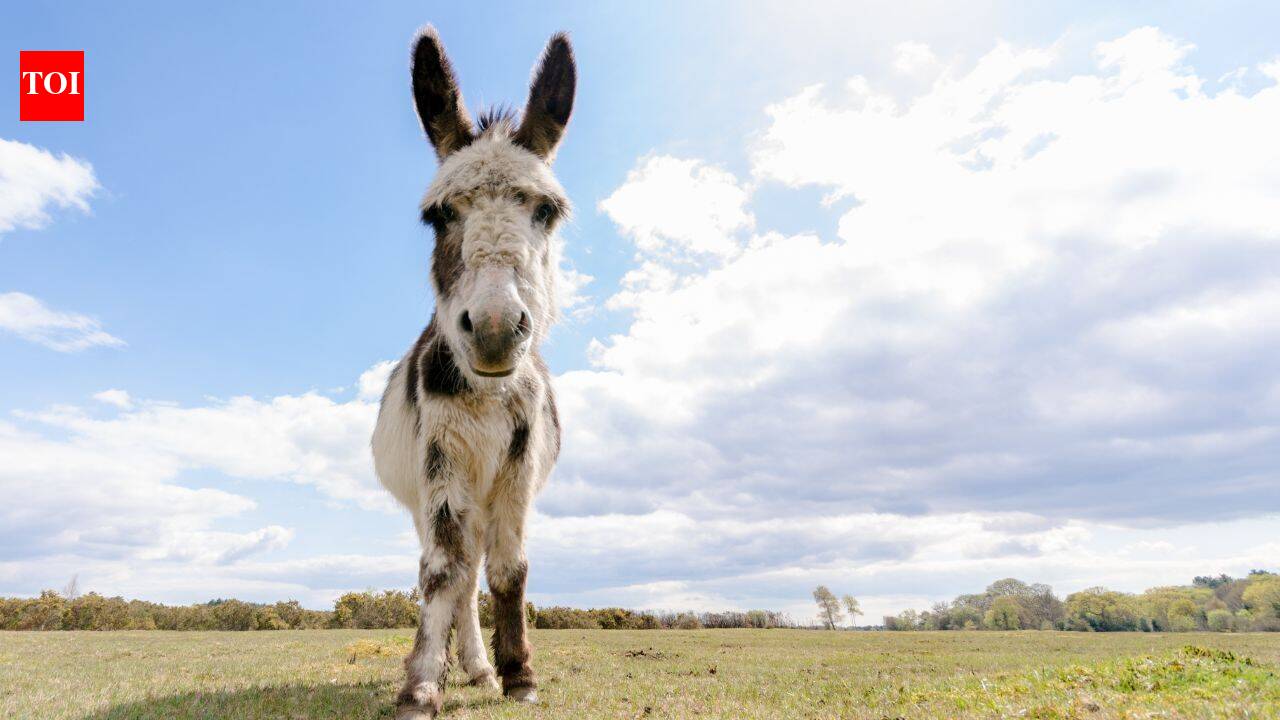
A long-term ecological investigation into feral horse and donkey populations in Arizona’s Sonoran Desert revealed that wells excavated by the animals serve as vital hydration hubs, providing up to 74 percent of all available surface water in monitored arid locations during dry summer months. Researchers initiated field tracking in 2015, mapping water output and animal activity across four distinct Arizona study sites over three consecutive summer seasons concluding in 2018, according to reporting by TOI Science Desk. The findings demonstrate that ground-digging behavior by wild equids creates substantial hydrological access for dozens of native wildlife species, offering fresh empirical data to the ongoing debate over how non-native large herbivores impact desert ecosystems in western North America.
Key facts
What happened
In 2015, researchers established a systematic field tracking project in southern and western Arizona to evaluate the functional impact of equid water-digging on desert ecosystems. Over three summer monitoring cycles extending through 2018, the research team mapped physical geography, hydrological flow, and wildlife interactions across four designated study sites within the Sonoran Desert.
During extreme heat and prolonged dry spells in arid biomes, surface water in dry stream beds, known locally as washes or arroyos, rapidly evaporates or retreats beneath dry sand and gravel. To reach sub-surface water tables, wild horses and donkeys use their hooves to scrape away dry topsoil, excavating depressions that can reach depths of up to six feet until saturated soil or open groundwater is reached.
By systematically mapping water locations across the four study sites over three summer seasons, researchers measured the proportion of open surface water generated directly by animal digging compared to natural standing pools. The data revealed that during high-heat periods when natural pools dried completely, horse and burro wells contributed up to 74 percent of all accessible surface water in the surveyed areas.
To determine which species benefited from these modified water points, researchers deployed continuous remote motion-sensor camera traps and conducted direct observational surveys around active equid wells. Over the three-year monitoring window, the team recorded 57 different vertebrate species visiting the excavated wells to drink, cool down, or forage. Observed species included large native mammals, predators, small desert rodents, game birds, songbirds, and reptiles, establishing that the animal-dug wells functioned as shared ecological resources across multiple trophic levels.
Why it matters
In arid ecosystems, surface water is the primary limiting resource governing wildlife survival, reproductive success, and spatial distribution. During summer periods in the Sonoran Desert, ambient temperatures frequently exceed 100 degrees Fahrenheit (38 degrees Celsius), accelerating evaporation rates and reducing open water sources. By exposing sub-surface water that would otherwise remain buried beneath dry gravel, wild equids act as hydrological facilitators, dramatically expanding total water availability during seasonal droughts.
These findings introduce concrete quantitative metrics to the concept of ecosystem engineering—the process by which organisms physically alter, maintain, or create habitats for other species. While well-known ecosystem engineers like beavers modify stream flow in temperate regions, large-bodied ungulates in dry environments perform a comparable function by opening sub-surface water channels. For small desert mammals and birds that lack the physical capability to excavate several feet into compacted sand, equid wells represent an accessible water source during critical survival windows.
Furthermore, the discovery has direct implications for natural resource management and climate adaptation strategies. As global temperatures rise and drought cycles intensify across the American Southwest, natural surface water features are projected to shrink. Understanding how biological behavior alters localized water availability helps wildlife biologists and land managers accurately model species resilience and ecosystem capacity under accelerating climate stress.
The background
Wild horses (*Equus caballus*) and wild donkeys (*Equus asinus*), commonly referred to as burros, are non-native species reintroduced to North America by European explorers and settlers beginning in the late 15th and 16th centuries. Although native equid ancestors inhabited North America during the Pleistocene epoch, they went extinct approximately 11,000 to 13,000 years ago. Present-day wild herds consist of feral descendants of domestic animals that escaped or were turned loose over centuries of pastoral activity, mining, and military movement.
In the United States, free-roaming horses and burros are protected and managed on public lands primarily by the Bureau of Land Management (BLM) and the U.S. Forest Service under the Wild Free-Roaming Horses and Burros Act of 1971. Federal policy mandates the preservation of unmanaged herds while maintaining a balance with wild land health, livestock grazing permits, and native wildlife populations.
For decades, mainstream conservation science and range management policies have characterized feral equids as invasive species that degrade fragile arid environments. Concerns typically focus on overgrazing of native vegetation, soil compaction, erosion, and competitive displacement of native ungulates such as desert bighorn sheep (*Ovis canadensis*) and pronghorn (*Antilocapra americana*). Federal land agencies routinely conduct roundups to reduce herd sizes that exceed designated Appropriate Management Levels (AML).
The Sonoran Desert, which covers approximately 100,000 square miles across southern Arizona, southeastern California, and northwestern Mexico, is recognized as one of the most biologically diverse deserts in the Americas. Its ecosystem relies on two seasonal rainfall regimes—winter rains and summer monsoons—separated by intense dry periods during late spring and early summer, creating extreme hydrological pressure on resident fauna.
Reaction
The publication of long-term tracking data on equid well creation is expected to generate active discussion among rangeland ecologists, federal wildlife managers, and animal welfare advocacy groups. Rangeland managers and native species specialists frequently argue that large feral horse and burro populations cause severe localized environmental damage, particularly around fragile desert springs where heavy hoof traffic destroys riparian vegetation and fouls water quality.
Conversely, wild horse advocacy organizations and functional ecology researchers are likely to highlight the 74 percent water contribution figure as evidence that feral equids fulfill beneficial ecological roles once performed by extinct Pleistocene megafauna. Scientific debates are anticipated to focus on whether the ecological benefits of increased water availability outweigh the localized physical disturbance caused by unmanaged herd populations on native flora and soil structures.
Formal evaluation of these findings is expected to take place within academic journals, range management symposiums, and public comment hearings associated with Bureau of Land Management resource management plans across the Southwest.
What we don't know yet
While the three-year study provides detailed metrics on water supply and species diversity at four Arizona sites, several key scientific questions remain unresolved:
What to watch
To evaluate how this research influences ecology and land policy going forward, key developments to track include:
This report contains information originally reported by TOI Science Desk.
How this story was produced
This report was written by The Global Wire newsroom from reporting first published by TOI Science Desk. We verify the core facts against the original report, write our own account, and add the background and consequences a short wire item leaves out. Drafting is AI-assisted inside an editor-supervised pipeline, and every story is checked for accuracy of attribution, structure and duplication before it appears — full detail in our AI and funding disclosure.
Spotted an error? Tell us at corrections@horizonglobalnews.com and read our corrections policy or editorial standards.



Reader comments
Loading comments…