

Malaysia Explores Hybrid Tax Model Blending Sales and Value-Added Systems
Policymakers are evaluating a hybrid system merging elements of SST and GST to expand Malaysia's tax base while mitigating political backlash and cost-of-living impacts.
By The Global Wire Newsroom · Reported from DOREENN LEONG
Link preview · horizonglobalnews.com
Malaysia Explores Hybrid Tax Model Blending Sales and Value-Added Systems
Policymakers are evaluating a hybrid system merging elements of SST and GST to expand Malaysia's tax base while mitigating political backlash and cost-of-living impacts.
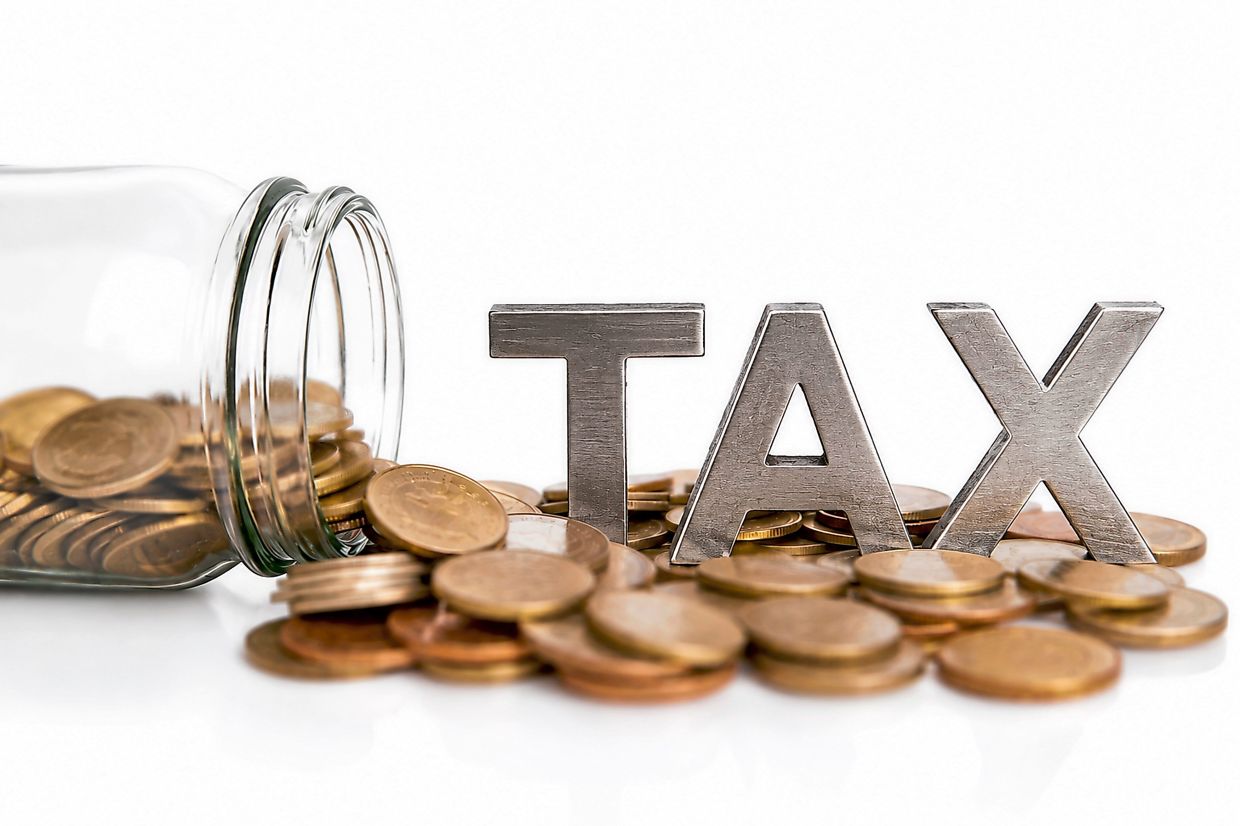
KUALA LUMPUR — The Malaysian government has signaled a potential shift in its fiscal policy design by proposing a hybrid taxation model that combines components of the Sales and Service Tax with mechanisms drawn from the Goods and Services Tax. The proposal, highlighted in reporting by Doreenn Leong, represents the latest effort by Malaysian policymakers to resolve a longstanding fiscal conundrum: how to broaden a constrained national tax base and boost public revenue without re-igniting widespread consumer backlash or compounding inflationary pressures on low- and middle-income households.
Key facts
What happened
According to reporting by Doreenn Leong, Malaysian fiscal authorities have floated the concept of a hybrid tax architecture designed to synthesize elements of both the Sales and Service Tax (SST) and the Goods and Services Tax (GST). Rather than executing a complete return to the multi-stage value-added tax system that was repealed six years ago, or remaining tethered entirely to the existing single-stage consumption tax framework, the government is exploring whether specific administrative and structural advantages of both regimes can be blended.
The core motivation behind this technical proposal is to rectify the inherent structural limitations of the current SST while avoiding the broad political resistance and immediate price shocks associated with a full-fledged GST reintroduction. Under the current SST system, tax is levied primarily at the manufacturer or importer level for sales tax, and at the final service provider level for service tax. This creates cascading tax effects, where taxes accumulate along the supply chain, while leaving significant shadow economy transactions untaxed due to the lack of an input tax credit mechanism.
By exploring a hybrid model, policymakers are seeking to incorporate tax invoicing, input credit mechanisms, or expanded digital reporting features similar to GST into selected tiers of the economy, while preserving targeted exemptions or single-stage structures for essential consumer goods to protect lower-income groups. However, translating this concept into a functional legislative and administrative framework presents complex tax design challenges, as combining two distinct tax philosophies risks increasing compliance costs for businesses if not executed with clarity.
Why it matters
The debate over Malaysia's tax structure carries direct consequences for national fiscal health, corporate operating costs, and household purchasing power. Malaysia maintains one of the lowest tax-to-GDP ratios in Southeast Asia, historically hovering around 11 to 12 percent, compared to regional peers and the OECD average. This structural deficit limits the federal government's capacity to fund infrastructure development, healthcare, public education, and social safety nets, forcing heavy reliance on non-tax revenue sources, particularly dividends from the state oil enterprise, Petroliam Nasional Bhd (Petronas).
For the business community, the choice between SST, GST, or a hybrid alternative directly affects supply chain efficiency and compliance administration. The GST system, despite its administrative burden, allowed registered businesses to claim input tax credits, thereby eliminating tax cascading—a phenomenon where tax is levied on top of tax at multiple production stages. In contrast, the SST model under which companies currently operate does not offer systematic input tax offsets, leading to embedded tax costs that are often passed down to end consumers.
For Malaysian consumers, consumption taxes are a sensitive living cost issue. When GST was introduced at 6 percent in 2015, it was widely perceived as a major driver of retail price increases across broad categories of goods and services, despite government efforts to zero-rate basic foodstuffs. A hybrid model aims to find a middle ground by generating needed state revenue while insulating basic necessities from compounding tax rates. If the government fails to craft a clear and efficient hybrid framework, it risks imposing a double administrative burden on small and medium enterprises (SMEs) while failing to capture the comprehensive revenue gains that a full value-added tax would deliver.
The background
Malaysia’s consumption tax trajectory over the past decade reflects an ongoing tug-of-war between fiscal consolidation needs and political economy considerations. For decades, Malaysia relied on a traditional Sales and Service Tax system first enacted in the 1970s. However, as global economic conditions evolved and government spending expanded, the limited scope of SST proved insufficient to sustain public finances, leading to calls for comprehensive tax reform.
In April 2015, under the administration of former Prime Minister Najib Razak, Malaysia formally implemented a 6 percent GST, replacing the single-stage SST. The GST was designed to broaden the federal tax base, capture revenue from the informal economy, and establish an auditable paper trail across all stages of production and distribution. While GST succeeded in boosting government revenue—generating over RM40 billion annually compared to approximately RM15 billion previously collected under SST—it encountered severe public resistance. Retail price hikes, delayed input tax credit refunds to businesses, and widespread political dissatisfaction turned GST into a central flashpoint during the 2018 general election.
Following the landmark May 2018 election, the newly elected Pakatan Harapan administration fulfilled a key campaign pledge by zero-rating GST in June 2018 and officially repealing it later that year. In September 2018, the government reinstated the SST framework, setting sales tax rates at 5 percent and 10 percent and service tax at 6 percent. While popular among consumers initially, the return to SST led to an immediate contraction in state revenue, exacerbating fiscal deficits.
In recent years, successive administrations have sought incremental remedies. Under Prime Minister Anwar Ibrahim, who assumed office in late 2022, the government enacted the Fiscal Responsibility Act in late 2023 to enforce fiscal discipline, targeting a statutory debt threshold and aiming to bring the annual budget deficit down toward 3 percent of GDP over time. In March 2024, the government adjusted the service tax rate from 6 percent to 8 percent for most sectors—excluding food, beverages, and telecommunications—and expanded its application to logistics and digital services. Despite these adjustments, rating agencies and international organizations like the IMF have continued to emphasize that structural tax reform, including a return to a broad-based value-added tax, remains essential for Malaysia's long-term sovereign credit stability.
Reaction
The proposal to explore a combined SST-GST hybrid framework is expected to trigger broad consultation across industry associations, tax professionals, and political circles. Business advocacy groups, such as the Federation of Malaysian Manufacturers (FMM) and the Associated Chinese Chambers of Commerce and Industry of Malaysia (ACCCIM), have historically favored a broad-based consumption tax like GST due to its self-policing mechanism and input tax credit relief, provided the submission process is streamlined and tax refunds are distributed promptly.
Tax consultants and accounting bodies are expected to analyze the administrative feasibility of a blended model closely. Tax specialists frequently warn that hybrid structures can introduce unwanted ambiguity into tax administration, potentially creating loopholes or imposing dual compliance standards where businesses must navigate two separate sets of regulations simultaneously.
On the political front, opposition coalitions and consumer advocacy groups are anticipated to scrutinize any tax modification for its potential impact on cost-of-living metrics. Past debates indicate that any structural change perceived as introducing GST elements under another name will face sharp parliamentary scrutiny, requiring the government to clearly articulate how low-income households will be shielded from price escalation.
What we don't know yet
Several critical parameters regarding the proposed hybrid tax concept remain unclarified in the available reporting. First, the specific technical design of the hybrid system—including which sectors would operate under input credit mechanisms versus single-stage taxation—has not been publicly detailed by the Ministry of Finance. It is unclear whether the government plans to apply GST-like credit claims exclusively to business-to-business (B2B) transactions while maintaining SST rules for business-to-consumer (B2C) retail sales.
Second, the effective tax rates associated with this potential hybrid framework have not been disclosed. Policymakers have not indicated whether the model would utilize a unified rate or maintain differential tax brackets across distinct categories of goods and services. Third, the timeline for formal policy formulation, public consultation, legislative drafting, and implementation remains unannounced. Without a clear legislative schedule, businesses cannot begin upgrading their enterprise resource planning (ERP) systems or accounting software to accommodate the proposed changes.
What to watch
In the coming months, several key milestones will signal the direction of Malaysia's consumption tax policy. The annual presentation of the Malaysian Federal Budget will serve as the primary platform where the Finance Ministry may announce detailed tax blueprints or establish formal study committees to evaluate the hybrid model. Observers should monitor whether the government issues a public consultation paper or white paper soliciting feedback from tax practitioners and industry stakeholders.
Additionally, upcoming statutory reporting deadlines under the Fiscal Responsibility Act will reveal whether projected fiscal deficit targets can be met under current SST revenue trajectories or if systemic tax restructuring is urgently required. The progress of the nationwide e-invoicing rollout, which Malaysia has been phasing in to improve tax compliance and invoice tracking, will also serve as a crucial technical indicator; a fully operational national e-invoicing infrastructure could serve as the digital backbone necessary to support a hybrid SST-GST or restored GST architecture.
This report is based on original reporting by Doreenn Leong.
How this story was produced
This report was written by The Global Wire newsroom from reporting first published by DOREENN LEONG. We verify the core facts against the original report, write our own account, and add the background and consequences a short wire item leaves out. Drafting is AI-assisted inside an editor-supervised pipeline, and every story is checked for accuracy of attribution, structure and duplication before it appears — full detail in our AI and funding disclosure.
Spotted an error? Tell us at corrections@horizonglobalnews.com and read our corrections policy or editorial standards.




Reader comments
Loading comments…