

Gauteng Urges Taxi Operators to Audit Permits Following Release of 529 Licences
Provincial transport authorities in South Africa's economic hub have released over 500 minibus taxi permits while pressing operators to regularize documentation to curb route conflicts.
By The Global Wire Newsroom · Reported from Caslian Scott
Link preview · horizonglobalnews.com
Gauteng Urges Taxi Operators to Audit Permits Following Release of 529 Licences
Provincial transport authorities in South Africa's economic hub have released over 500 minibus taxi permits while pressing operators to regularize documentation to curb route conflicts.
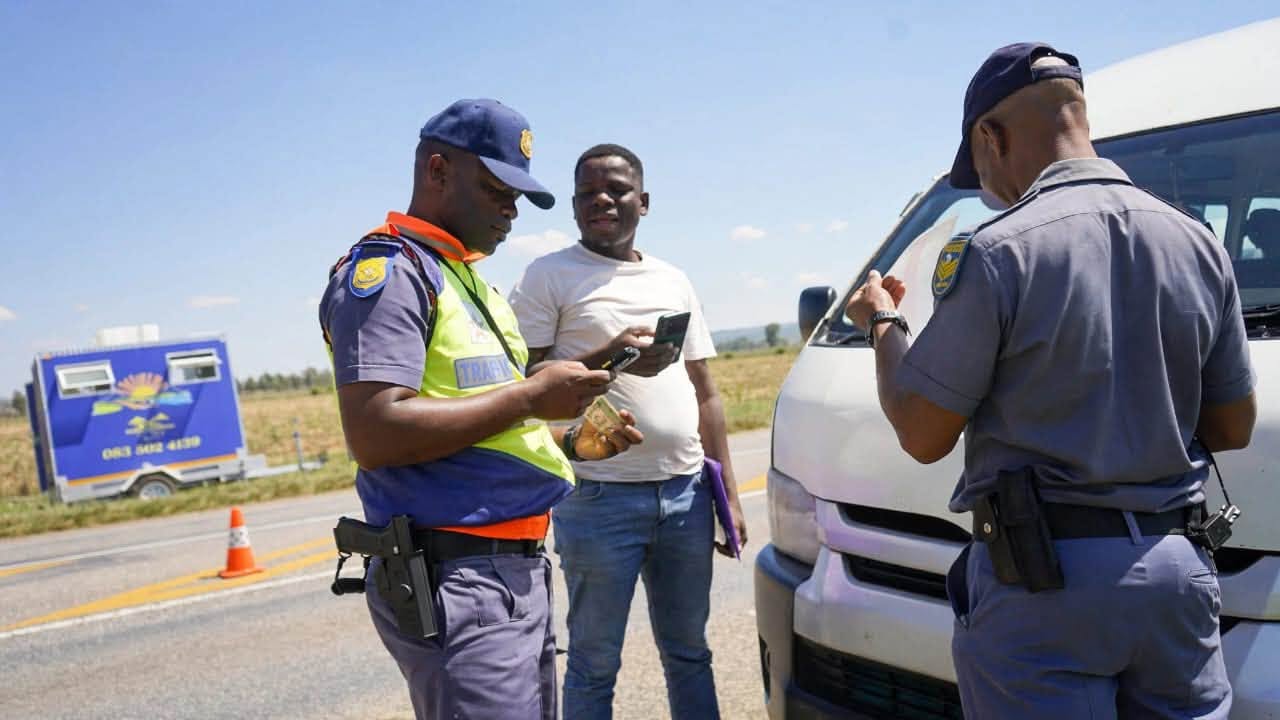
JOHANNESBURG — Transport authorities in Gauteng have issued an appeal to public transport operators across South Africa's most populous province to verify their operating licences and pending applications, following the formal handover of 529 operating permits. The initiative, overseen by the provincial Department of Roads and Transport, is designed to reduce the backlog of unissued permits, establish a transparent operating registry, and improve road safety standards across a sector that carries millions of commuters each day.
Key facts
What happened
Provincial authorities in Gauteng conducted an official distribution ceremony, handing over 529 verified operating licences to commercial passenger vehicle operators. Following the handover, the provincial MEC responsible for roads and transport called on all commercial operators within the province to urgently verify their documentation status, review pending renewals, and regularize outstanding applications with provincial regulatory bodies.
According to reporting by The Citizen, written by Caslian Scott, the intervention seeks to enforce administrative compliance and tighten commuter safety across the province's complex transit grid. The distribution addresses a persistent administrative delay within the Gauteng Provincial Regulatory Entity, which reviews, adjudicates, and issues route-specific permits for minibus taxis, metered cabs, and chartered transit operators.
Provincial regulators stressed that possession of valid, verified paperwork is essential for roadworthiness tracking, route deconfliction, and legal operations. By distributing the batch of 529 permits, officials intended to signal a pathway for informal operators to transition into the formal regulatory architecture. However, the appeal to audit active paperwork suggests substantial irregularities, duplicate filings, and uncollected authorizations remain widespread across regional taxi associations operating in major economic centres including Johannesburg, Pretoria, and Ekurhuleni.
Why it matters
Gauteng functions as South Africa's industrial and financial engine, generating over one-third of the national gross domestic product. Within this dense economic corridor, the minibus taxi sector serves as the indispensable backbone of urban mobility. For lower- and middle-income workers who commute from sprawling townships to commercial business districts, alternative transit options such as municipal bus lines and the passenger rail network have suffered from systemic capacity constraints, leaving taxis as the primary practical option.
When regulatory enforcement lapses and operating licences remain stalled, informal and unpermitted operators frequently move onto lucrative corridors. This proliferation creates intense commercial friction with established operators holding lawful authorizations. Historically, commercial friction of this nature has escalated into deadly inter-association violence, commonly referred to as taxi turf wars, which endangers passengers, disrupts highway corridors, and costs civilian lives.
Beyond public safety, an unverified permitting environment obstructs municipal planning and transit integration. South African cities have sought to establish Integrated Public Transport Networks (IPTNs), linking rapid bus routes, metered taxis, e-hailing services, and traditional minibus taxis into cohesive fare and routing systems. Without precise operational data indicating how many vehicles hold authorized rights to run along specific arterial roads, urban planners cannot project traffic loads, assess maintenance needs, or structure fair financial incentives. Moving hundreds of vehicles from unpermitted status into legitimate, documented standing reduces vulnerabilities for drivers—who often face arbitrary impoundments and extortion when operating without completed papers—while providing passengers with the baseline assurance that their transport providers are accountable to provincial oversight.
The background
The regulation of minibus taxis in South Africa has been an intractable policy challenge since the deregulation of the industry in the late 1980s. Following the end of apartheid, the sector grew rapidly to fill severe gaps left by state transport infrastructure. Today, an estimated 200,000 to 250,000 minibus taxis operate across the country. In Gauteng alone, hundreds of independent taxi associations compete for passenger market share across dense municipal corridors.
The statutory framework governing these operations was codified under the National Land Transport Act (NLTA), Act No. 5 of 2009. The statute shifted the paradigm from broad "permits" to route-specific "operating licences," which specify the origin, route, and destination a vehicle is permitted to serve. Responsibility for evaluating applications and adjudicating disputes was assigned to Provincial Regulatory Entities (PREs) and municipal planning authorities.
Despite this statutory design, administrative bottlenecks have plagued the Gauteng Provincial Regulatory Entity for decades. Operators routinely report waiting years for new licence applications, route conversions, or ownership transfers to be finalized. In response to mounting application backlogs, municipal metro police forces and provincial traffic police have conducted periodic impoundment operations against unpermitted operators, sparking strikes, blockades of national motorways such as the M1, N1, and N3, and clashes between operators and law enforcement.
In recent years, the Gauteng provincial government has implemented several turnaround initiatives aimed at modernizing the Provincial Regulatory Entity. These have included digital permit tracking systems, specialized dispute-resolution tribunals, and mediation agreements with leadership bodies such as the South African National Taxi Council (SANTACO) and the National Taxi Alliance (NTA). The distribution of 529 operating licences represents one phase in this prolonged effort to eliminate historical processing delays and register legitimate operators.
Reaction
While formal responses from major industry federations to the specific release of the 529 licences were not detailed in initial reporting, transport associations in Gauteng have consistently demanded expedited permit processing. Bodies such as SANTACO and the NTA have historically voiced frustration with regulatory delays, arguing that systemic bureaucratic backlogs within provincial licensing boards place drivers at immediate risk of vehicular impoundment, hefty recovery fines, and commercial insolvency.
Commuter advocacy groups and municipal safety committees have routinely welcomed increased administrative oversight, pointing to the link between unpermitted vehicles, lapsed roadworthiness testing, and high road fatality counts. Municipal governments in Johannesburg and Tshwane are expected to monitor whether the verified permits result in smoother coordination with existing urban transport corridors. If past administrative handovers are any indication, industry leaders will likely scrutinize whether the newly processed licences match the specific routes long contested by rival associations.
What we don't know yet
Key details regarding the implementation and scope of the permit release remain unclarified by the available accounts. The reporting does not identify the specific commercial sectors receiving the 529 licences—leaving it unclear how many were allocated to traditional 15-seater minibus taxis, metered cab operators, cross-border shuttles, or corporate charter services. Furthermore, provincial authorities have not published the geographic distribution of these authorizations, obscuring which high-conflict corridors or regional taxi ranks within Johannesburg, Tshwane, or Ekurhuleni were prioritized.
The administrative timeframe granted to operators to verify their standing remains unspecified, as do the formal penalties or enforcement mechanisms facing those who fail to audit their paperwork within the requested period. Crucially, the size of the remaining permit backlog in Gauteng is not stated; without knowing how many thousands of applications remain pending before the Provincial Regulatory Entity, evaluating whether 529 permits constitutes a decisive administrative clearance or a minor reduction remains impossible. The long-term status of operators holding temporary or disputed documentation also remains unaddressed.
What to watch
Over the coming weeks, municipal transport monitoring will focus on whether the Provincial Regulatory Entity experiences an influx of operators seeking to verify credentials, and whether provincial authorities publish an updated public registry of compliant associations. Industry observers will be watching for statements from regional SANTACO branches regarding the fairness of route allocations tied to the new licences.
Another critical indicator will be traffic enforcement operations across major provincial hubs. If provincial and municipal traffic departments initiate targeted vehicle checks to verify operating permits against the updated system, tensions could emerge between authorities and operators whose paperwork remains stalled in administrative backlogs. Finally, observers will monitor the progress of digital licensing platforms in Gauteng, specifically whether future permit issuances can proceed continuously rather than through intermittent, batch-based ceremonies.
This report is based on reporting published by The Citizen.
How this story was produced
This report was written by The Global Wire newsroom from reporting first published by Caslian Scott. We verify the core facts against the original report, write our own account, and add the background and consequences a short wire item leaves out. Drafting is AI-assisted inside an editor-supervised pipeline, and every story is checked for accuracy of attribution, structure and duplication before it appears — full detail in our AI and funding disclosure.
Spotted an error? Tell us at corrections@horizonglobalnews.com and read our corrections policy or editorial standards.






Reader comments
Loading comments…