

Creator of AI Actor Tilly Norwood Defends Project Amid Industry Pushback and Threats
Eline van der Velden argues that synthetic performers will lower production budgets and create new opportunities for actors, despite sharp criticism across Hollywood.
By The Global Wire Newsroom · Reported from Robert Safian
Link preview · horizonglobalnews.com
Creator of AI Actor Tilly Norwood Defends Project Amid Industry Pushback and Threats
Eline van der Velden argues that synthetic performers will lower production budgets and create new opportunities for actors, despite sharp criticism across Hollywood.
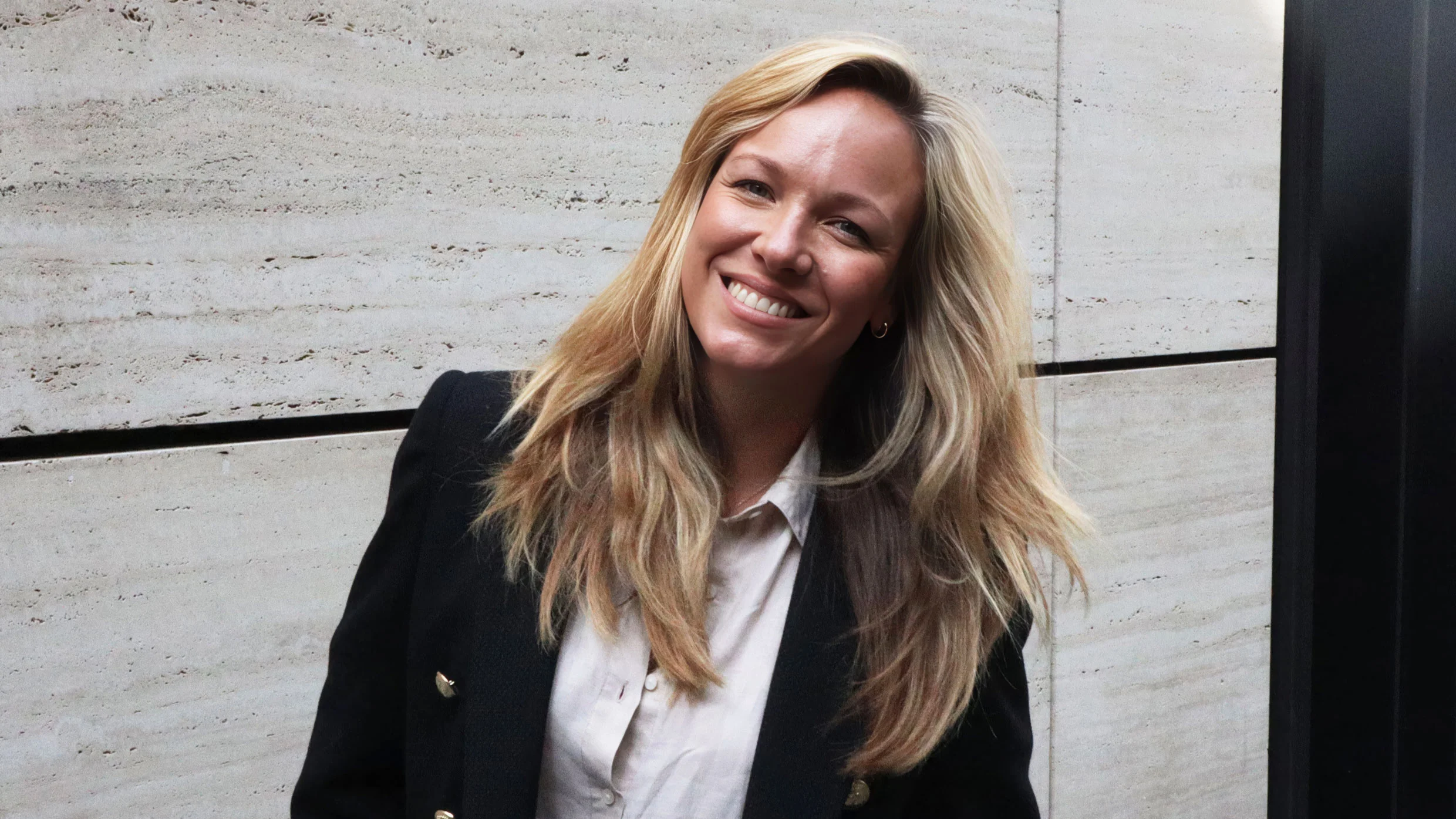
The debate over artificial intelligence in global entertainment reached a new threshold as executive producer and media creator Eline van der Velden defended her virtual actor project, Tilly Norwood, arguing that computer-generated performers will modernize film production rather than eliminate human talent. In an interview published on October 5, 2026, by business and technology reporter Robert Safian, Van der Velden addressed industry anxiety, contending that generative digital tools can reduce financial hurdles for independent storytellers while opening new commercial avenues for actors. Her comments arrive amid friction across Hollywood, where the public introduction of Tilly Norwood has provoked vocal resistance, industry boycotts, and personal threats against its creators.
Key facts
What happened
The controversy surrounding computer-generated talent in mainstream entertainment intensified following detailed commentary from Eline van der Velden, the founder and creator behind the synthetic actor Tilly Norwood. Speaking to journalist Robert Safian in an interview released on October 5, 2026, Van der Velden presented a comprehensive defense of her virtual performer, aiming to counter industry fears that automated talent will render human actors obsolete.
Van der Velden argued that introducing synthetic entities like Tilly Norwood represents a natural technological progression capable of reshaping film production economics. By incorporating digital actors into creative pipelines, production companies can reduce substantial overhead expenses linked to extended location shoots, travel logistics, physical sets, and large crew operations. She emphasized that these cost reductions will democratize the medium, allowing independent filmmakers, junior directors, and smaller production companies to produce high-fidelity projects previously reserved for major Hollywood studios with massive budgets.
However, the debut of Tilly Norwood has exposed friction between technology developers and traditional creative labor. Van der Velden disclosed that the project has generated significant hostility, including online harassment and explicit safety threats targeted at her and her development team. Critics within the film industry view synthetic actors as a mechanism to bypass unionized labor, lower baseline compensation, and reduce opportunities for working actors.
Addressing those concerns, Van der Velden insisted that artificial intelligence does not signal the end of traditional acting careers. Instead, she posited that the technology will foster secondary industries and new roles for human performers. In her view, actors can license their digital likenesses, record foundation voice work, perform motion-capture data, or collaborate with digital designers to maintain working longevity across multiple concurrent productions. She urged the entertainment community to treat synthetic characters as creative instruments rather than hostile replacements.
Why it matters
The deployment of autonomous virtual actors like Tilly Norwood directly challenges the structural foundation of the global entertainment economy. Production budgets for studio feature films routinely range between $50 million and $300 million, with physical production, talent compensation, and logistics constituting primary cost drivers. If AI-driven actors can deliver viable performances at lower costs, production entities and streaming services will face strong financial incentives to integrate synthetic talent into their content pipelines.
For independent cinema, synthetic technology offers a potential shift in project financing. Independent directors frequently struggle to secure distribution or capital due to the high cost of bankable actors required to greenlight films. If digital actors can engage audiences or perform complex roles without commanding multi-million-dollar upfront fees, small studios could allocate larger portions of their capital toward screenwriting, world-building, and cinematography.
Conversely, the broad adoption of AI performers poses clear risks to the creative labor ecosystem. Millions of working actors, voice artists, background extras, stunt performers, and technical crew members depend on physical film sets for employment. If virtual performers displace middle-tier and background talent, the training ground that nurtures future stars could shrink significantly. Furthermore, reliance on synthetic avatars raises questions regarding audience acceptance, as filmgoers weigh the artistic value of authentic human performance against algorithmically synthesized expression.
The background
The controversy surrounding Tilly Norwood builds upon decades of evolving computer-generated imagery and digital performance capture in cinema. Digital human synthesis in film dates back to early computer graphics milestones in the 1980s, expanding rapidly through photorealistic motion capture in films such as The Lord of the Rings trilogy (2001–2003), The Curious Case of Benjamin Button (2008), and Avatar (2009). In recent years, major studios have regularly deployed digital de-aging techniques and posthumous likeness recreations in blockbuster franchises like Star Wars and Marvel Cinematic Universe productions.
However, generative artificial intelligence represents a structural departure from traditional visual effects pipelines. Rather than requiring teams of digital artists months of manual effort to build and render a digital double, modern neural video models can synthesize human faces, physical movements, and vocal speech from datasets in significantly less time and at a lower cost.
This rapid advancement became a core battleground during the historic 2023 Hollywood labor strikes. Both the Writers Guild of America (WGA) and the Screen Actors Guild - American Federation of Television and Radio Artists (SAG-AFTRA) conducted multi-month strikes that halted film and television production nationwide. A central focus of negotiations was establishing protective rules governing artificial intelligence. The resulting 2023 SAG-AFTRA contract established requirements for informed consent and compensation when creating digital replicas of union members, while setting strict parameters around synthetic performers.
Concurrently, legal frameworks governing synthetic media are evolving worldwide. In the United States, the U.S. Copyright Office has consistently affirmed that works generated entirely by artificial intelligence without human creative authorship cannot receive federal copyright protection. State legislatures have also acted; California passed Assembly Bills 2602 and 1836 in September 2024 to regulate digital replicas of living and deceased performers, while federal lawmakers have proposed the NO FAKES Act to create nationwide protections for individual voice and likeness rights.
Reaction
While Van der Velden advocates for Tilly Norwood as an innovative asset, response across the entertainment industry remains highly cautious and skeptical. Labor unions representing performers have consistently opposed replacing human actors with non-human digital entities. SAG-AFTRA, representing over 160,000 performers across media industries, has repeatedly stated that synthetic actors undermine labor standards, diminish professional recognition, and threaten the economic livelihood of working performers.
Talent agencies, casting directors, and advocacy groups have expressed strong reservations regarding the ethical implications of fully synthetic talent. Industry analysts note that synthetic characters operate outside established union agreements, pension plans, health funds, and residual pay structures that support actors between assignments.
The personal threats and resistance disclosed by Van der Velden reflect deep frustration among industry workers who view digital performers as a corporate strategy to reduce labor expenditures. Directors and screenwriters remain divided; while some tech-oriented creators show interest in experimenting with virtual talent for niche or low-budget projects, traditional storytellers maintain that removing human emotion, lived experience, and spontaneous collaboration degrades cinematic quality.
What we don't know yet
Key questions remain concerning the technical construction and commercial viability of Tilly Norwood. The specific architecture behind Tilly Norwood—including the underlying generative models, dataset provenance, and software frameworks utilized by Van der Velden's team—has not been fully detailed in public disclosures. It remains unconfirmed whether the training data relied on licensed human performances or custom computer-generated assets.
Additionally, the legal status of commercial projects starring Tilly Norwood presents copyright challenges. Under current U.S. Copyright Office guidelines, purely machine-generated performances may not qualify for copyright registration, creating legal uncertainty for distributors and investors seeking to protect intellectual property.
From a commercial perspective, it is unknown whether major film distributors, streaming platforms, or television networks will license and broadcast projects featuring synthetic lead actors, given potential pushback from unions, guilds, and audiences. The actual cost savings of using AI actors compared to hybrid visual effects pipelines also remain unverified in wide theatrical releases.
What to watch
Several specific developments will determine the future of synthetic actors in mainstream entertainment. Industry observers are tracking whether Van der Velden's team secures distribution deals with major theatrical studios or global streaming platforms for productions featuring Tilly Norwood.
Watch for potential policy statements or enforcement actions by SAG-AFTRA and international performance unions concerning non-union productions that utilize synthetic actors. Legal scholars will closely follow test cases challenging the copyrightability and publicity rights of AI-generated characters in major entertainment jurisdictions like California, New York, and the United Kingdom.
Additionally, legislative actions will shape the regulatory environment. Future votes on federal proposals like the NO FAKES Act could establish legal standards for synthetic likenesses and define how virtual performers interact with intellectual property law. Finally, audience box-office receipts and streaming viewership for films incorporating virtual performers will provide a clear measure of public acceptance.
This report incorporates information originally reported by business and technology journalist Robert Safian.
How this story was produced
This report was written by The Global Wire newsroom from reporting first published by Robert Safian. We verify the core facts against the original report, write our own account, and add the background and consequences a short wire item leaves out. Drafting is AI-assisted inside an editor-supervised pipeline, and every story is checked for accuracy of attribution, structure and duplication before it appears — full detail in our AI and funding disclosure.
Spotted an error? Tell us at corrections@horizonglobalnews.com and read our corrections policy or editorial standards.



Reader comments
Loading comments…