

SpaceX Portfolio Expands Beyond Rockets With AI, Satellite IoT, and RF Component Brands
An examination of SpaceX’s brand ecosystem highlights its acquisitions of Swarm Technologies and Akoustis alongside operational ties to AI ventures xAI and Anysphere.
By The Global Wire Newsroom · Reported from Bob Sharp
Link preview · horizonglobalnews.com
SpaceX Portfolio Expands Beyond Rockets With AI, Satellite IoT, and RF Component Brands
An examination of SpaceX’s brand ecosystem highlights its acquisitions of Swarm Technologies and Akoustis alongside operational ties to AI ventures xAI and Anysphere.
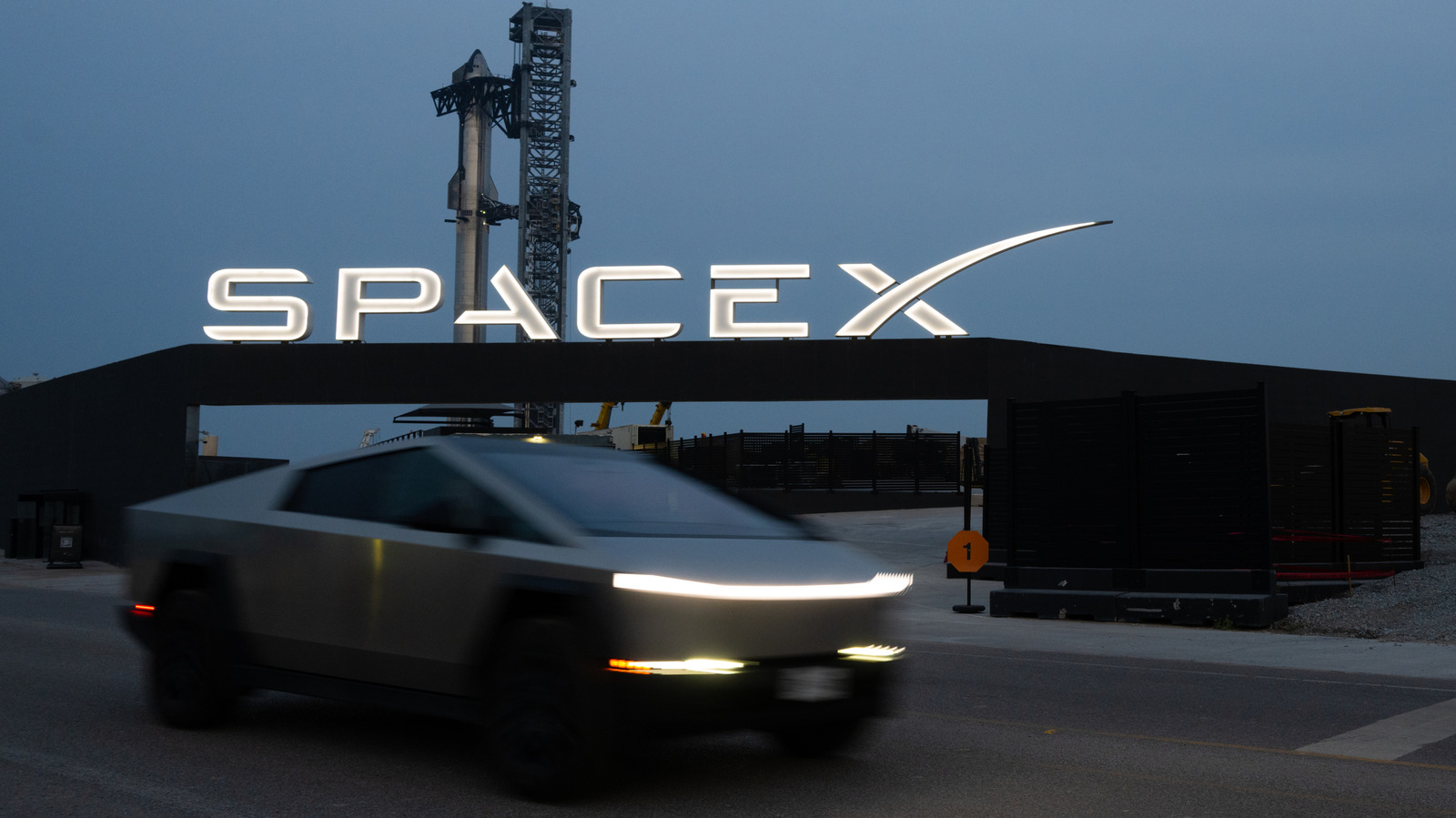
Space Exploration Technologies Corp. has expanded beyond its founding focus on orbital launch services, building a portfolio of subsidiary brands and technology holdings spanning satellite hardware, internet-of-things communications, and high-performance artificial intelligence. According to reporting by SlashGear, four key technology brands maintain direct corporate ownership or operational integration within the SpaceX enterprise: small-satellite connectivity provider Swarm Technologies, radio-frequency component manufacturer Akoustis Technologies, artificial intelligence enterprise xAI, and AI software engineering developer Anysphere. This suite of specialized ventures highlights chief executive Elon Musk's strategy of controlling critical technologies across the operational stack, from high-frequency RF filtering hardware to orbital communication protocols and automated AI development software.
Key facts
What happened
The integration of specialized technology brands under SpaceX highlights a structural transition from an aerospace hardware builder into a vertically integrated technology enterprise. According to details reported by SlashGear, SpaceX's corporate ecosystem links dedicated microelectronics manufacturers with advanced artificial intelligence platforms.
SpaceX's notable early corporate acquisition took place in August 2021 with the purchase of Swarm Technologies. Swarm gained recognition by deploying miniaturized SpaceBEE satellites, roughly the size of a single sandwich, into low-Earth orbit. Operating within the Very High Frequency spectrum, Swarm’s network provides low-data-rate connectivity for agriculture, logistics, maritime tracking, and environmental monitoring. Following the acquisition, Swarm's micro-satellites and hardware engineering were absorbed into SpaceX's satellite services division, complementing high-speed broadband provided by Starlink.
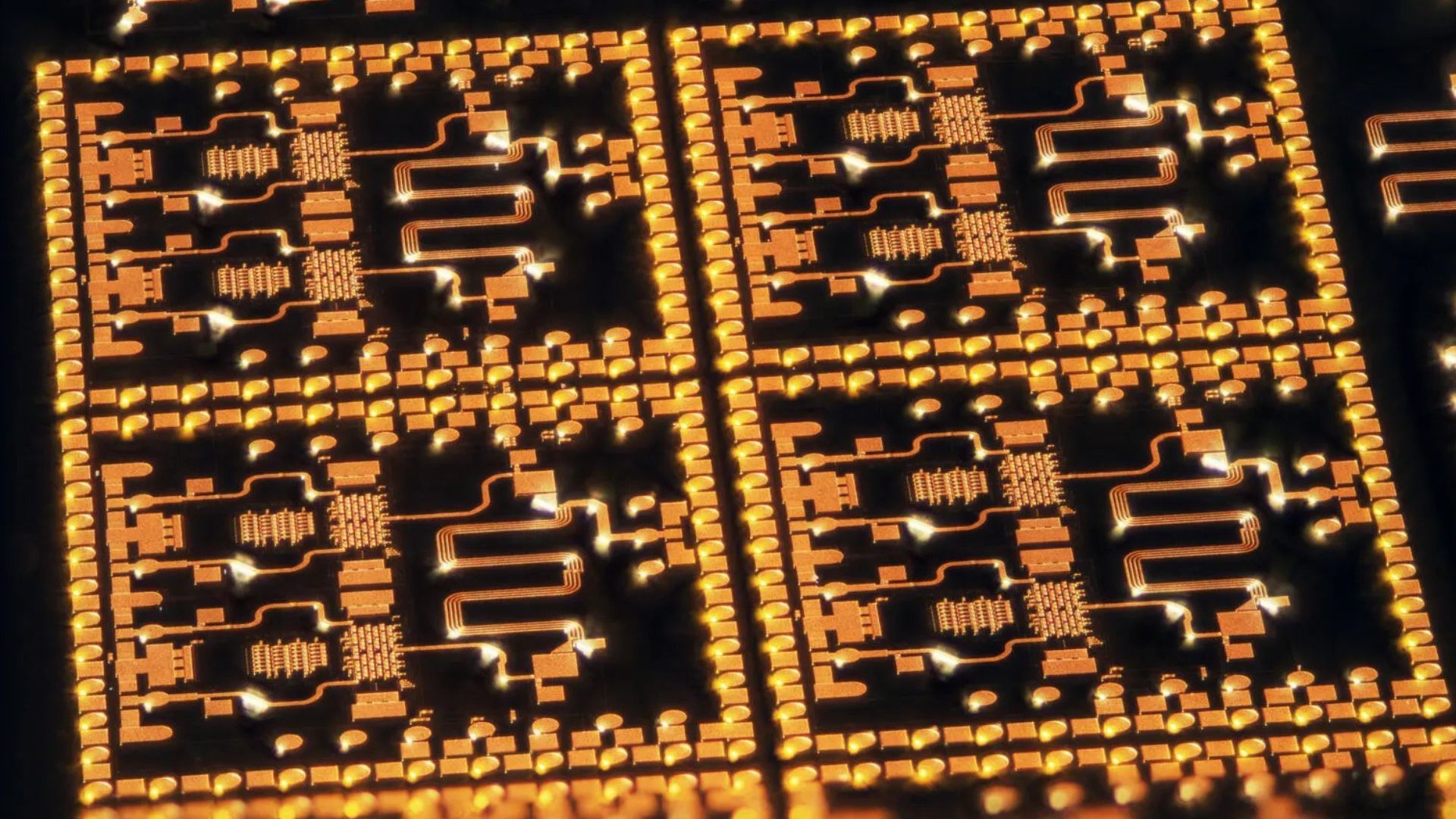
In hardware manufacturing, the portfolio includes Akoustis Technologies, a firm specializing in radio-frequency filter components. Akoustis develops single-crystal Bulk Acoustic Wave (BAW) filters engineered to control radio-frequency interference in crowded electromagnetic environments. In satellite communications and direct-to-cell service, high-frequency signals face interference from adjacent channels and ground noise. Owning BAW filter technology allows SpaceX to secure specialized microelectronics essential for ground terminals, satellite transceivers, and defense-focused Starshield hardware.
In software and machine intelligence, the ecosystem encompasses xAI and Anysphere. Founded in March 2023 by Elon Musk, xAI constructs frontier artificial intelligence models, including the Grok model family. Though operating as a distinct company, xAI shares technical infrastructure, computing resources, and leadership alignment with SpaceX. Complementing xAI is Anysphere, the creator of Cursor, an AI-native code editor designed to automate software development. Cursor uses artificial intelligence to generate and refine code, serving as a primary development tool used to accelerate software iteration for flight systems, telemetry handling, and network operations across SpaceX projects.
Why it matters
The inclusion and alignment of these four technology brands reflect a strategic shift in aerospace manufacturing and global telecommunications. Historically, major aerospace contractors like Boeing, Lockheed Martin, or Arianespace relied on extensive networks of external suppliers for radio components, flight software, and specialized payloads. That multi-tiered vendor model routinely exposed projects to supply chain bottlenecks, component shortages, and rising procurement costs.
SpaceX’s model relies on direct control of essential technology layers. Acquiring RF component capabilities through Akoustis protects SpaceX from external semiconductor shortages that impact high-frequency radio hardware. Similarly, acquiring Swarm Technologies allowed SpaceX to immediately obtain Very High Frequency spectrum rights from regulators and establish an instant footprint in global Internet of Things monitoring without building an IoT system from scratch.
Furthermore, integrating advanced AI tooling from xAI and Anysphere addresses the expanding complexity of operating large satellite constellations. Managing thousands of active low-Earth orbit satellites requires real-time collision prediction, automated orbital maneuvers, dynamic beam routing, and continuous system monitoring. Utilizing AI platforms like Anysphere's Cursor alongside xAI's computing capability allows SpaceX engineers to write, test, and deploy flight and ground software at speeds legacy aerospace firms cannot match. This creates a technical cycle where launch capabilities power satellite networks, which gather operational data to train AI systems that further optimize rocket launches and network routing.
The background
Space Exploration Technologies Corp. was established in 2002 by Elon Musk in Hawthorne, California, with the core goal of dramatically reducing space transportation costs to enable human settlement on Mars. During its first decade, the company focused on building orbital rockets and capsules, developing the Falcon 1, Falcon 9, Falcon Heavy, and Dragon spacecraft. From its founding, SpaceX emphasized building core hardware in-house—including its Merlin and Raptor liquid-fueled engines, airframes, and printed circuit boards—rather than relying on subcontractors.
In 2019, SpaceX expanded its operational model with the commercial rollout of Starlink, its low-Earth orbit satellite broadband constellation. Operating Starlink required SpaceX to evolve from a periodic launch contractor into a high-volume hardware manufacturer and global telecommunications operator. Managing millions of user dishes and thousands of satellites required internal mastery over advanced microelectronics, high-frequency radio systems, and continuous software automation.
This operational expansion prompted SpaceX to embrace corporate acquisitions and brand integrations. In August 2021, SpaceX completed its purchase of Swarm Technologies, absorbing its engineering team, satellite hardware designs, and regulatory spectrum licenses granted by the Federal Communications Commission (FCC) and International Telecommunication Union (ITU).
As SpaceX's global network expanded, its corporate ecosystem added high-performance RF capabilities through Akoustis Technologies and AI engineering resources. The launch of xAI in March 2023 and the adoption of AI code generation tools like Anysphere's Cursor established an interconnected network spanning launch vehicles, satellite hardware, silicon filtering, and software automation.
Reaction
The concentration of satellite connectivity, radio-frequency hardware, and artificial intelligence platforms within SpaceX's operational orbit has drawn significant scrutiny from aerospace analysts, telecommunications regulators, and competitor executives. Industry observers point out that SpaceX’s integrated structure presents an unprecedented challenge to traditional satellite operators like Eutelsat OneWeb, Viasat, and Amazon’s Project Kuiper, none of which possess in-house rocket launch capability, internal RF filter foundries, or direct AI software development platforms.
Regulatory authorities, including the Federal Communications Commission in the United States, monitor SpaceX’s growing spectrum portfolio closely. Combining Swarm’s Very High Frequency allocations with Starlink’s Ku-band, Ka-band, and mobile spectrum rights gives SpaceX wide spectrum coverage, raising debate among industry groups regarding fair competition and orbital management.
Financial analysts note that SpaceX’s acquisition approach resembles major technology conglomerates that secure key supply lines and software layers to reinforce competitive advantages. However, corporate governance experts emphasize that shared leadership and cross-entity resource sharing between SpaceX, xAI, and affiliated ventures require transparent legal boundaries to satisfy regulators and private investors.
What we don't know yet
Despite the recognized operational connections, several financial and corporate details remain unconfirmed. The exact equity holdings, legal structures, and inter-company funding arrangements binding SpaceX to xAI and Anysphere have not been fully disclosed. Because SpaceX is a privately held corporation based in California, it is not required to publish detailed financial disclosures required of public companies governed by the U.S. Securities and Exchange Commission.
Additionally, the exact technical integration of xAI’s artificial intelligence models into SpaceX's real-time flight software and satellite control systems remains unverified. It is unknown to what extent Grok models directly assist autonomous satellite collision avoidance versus serving as background diagnostic tools.
Finally, it remains unclear how SpaceX manages Akoustis Technologies' commercial obligations to external clients while prioritizing internal demand for specialized radio-frequency filters required for Starlink user terminals and military Starshield systems.
What to watch
Key indicators in the coming months will demonstrate how SpaceX deploys its integrated tech portfolio. Watch for future regulatory filings with the Federal Communications Commission for updates on combined services leveraging Swarm’s IoT network alongside Starlink’s direct-to-cell mobile communications platform.
Another important point to monitor will be payload manifests for Starship launch attempts. Operations will reveal whether next-generation Starlink V2 satellites incorporate Akoustis Bulk Acoustic Wave filter technology directly into phased-array radio architectures to improve spectrum management and signal resistance.
Finally, watch for further technical integration between xAI’s model family and software tools developed by Anysphere. Any formal joint developments or cross-company expansion across SpaceX facilities in Hawthorne, California, or Starbase in Boca Chica, Texas, will reveal how deeply artificial intelligence software is being woven into rocket manufacturing and satellite operations.
This report is based on original news coverage and corporate portfolio reporting by SlashGear, authored by Bob Sharp.
How this story was produced
This report was written by The Global Wire newsroom from reporting first published by Bob Sharp. We verify the core facts against the original report, write our own account, and add the background and consequences a short wire item leaves out. Drafting is AI-assisted inside an editor-supervised pipeline, and every story is checked for accuracy of attribution, structure and duplication before it appears — full detail in our AI and funding disclosure.
Spotted an error? Tell us at corrections@horizonglobalnews.com and read our corrections policy or editorial standards.

Reader comments
Loading comments…