

Child Psychiatric Emergencies Spike 121 Percent in Israel Following Protracted Conflict
Comprehensive healthcare data reveals sharp rises in childhood trauma, anxiety, and post-traumatic stress disorder three years after the October 2023 attack.
By The Global Wire Newsroom · Reported from Maya Roman
Link preview · horizonglobalnews.com
Child Psychiatric Emergencies Spike 121 Percent in Israel Following Protracted Conflict
Comprehensive healthcare data reveals sharp rises in childhood trauma, anxiety, and post-traumatic stress disorder three years after the October 2023 attack.
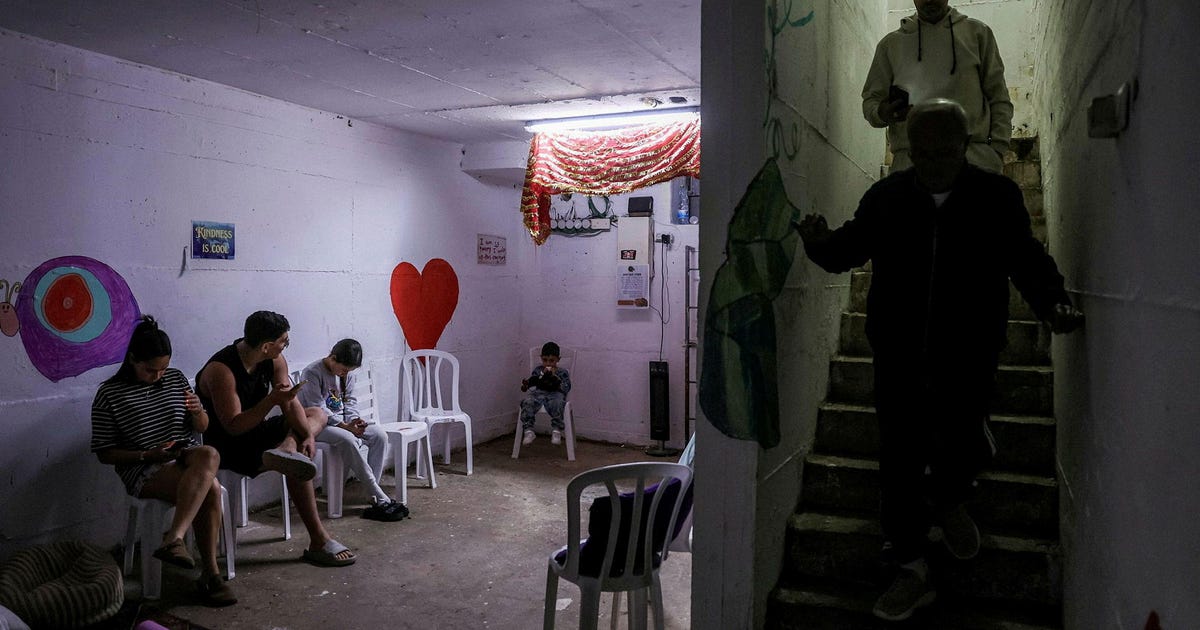
Emergency room visits for pediatric psychiatric crises in Israel increased by 121 percent over three years of conflict following the October 7, 2023 attacks, according to a comprehensive health report disclosed by Maya Roman. The dataset, compiled by Israel’s largest healthcare provider, illustrates a pervasive decline in psychological well-being across the country's youth and general population. Overall diagnoses for anxiety disorders rose by 45.5 percent during the same period, while diagnoses for post-traumatic stress disorder (PTSD) doubled nationwide. The data highlights an unusually severe impact on displaced populations, showing that three years into the war, residents evacuated from communities near the Gaza Strip continue to exhibit PTSD rates six times higher than the national baseline.
Key facts
What happened
The three-year health audit provides a granular look at how sustained warfare, sirens, rocket fire, and community displacement have restructured the public health landscape in Israel. According to reporting by Maya Roman, the sharpest escalation occurred in emergency psychiatric admissions among minors, where pediatric hospital visits for acute emotional and psychological crises more than doubled, marking a 121 percent increase compared to pre-war baselines.
The statistical surge extends beyond emergency interventions to primary care and specialized outpatient facilities. Over the three-year timeline, clinical diagnoses for general anxiety disorders registered a 45.5 percent increase across all age groups covered by the country's primary medical provider. Concurrently, formal diagnoses for post-traumatic stress disorder doubled, reflecting the widespread and prolonged exposure to trauma.
The data reveals particularly severe psychological distress among civilians who were forced to flee their homes along the southern frontier. Displaced families from Gaza envelope communities—who faced direct ground assaults, prolonged rocket bombardment, and extended temporary housing arrangements—continue to suffer high levels of psychological injury. In the third year following the initial breach and attacks of October 2023, the incidence of PTSD among these evacuees remained six times higher than the national average, indicating that displacement and historical exposure to violence have prolonged the healing process.
Why it matters
The dramatic rise in acute childhood psychiatric emergencies and chronic PTSD diagnoses poses structural challenges for Israel’s public health system and long-term socio-economic stability. A 121 percent increase in pediatric psychiatric emergency visits places extreme operational pressure on hospital emergency departments, pediatric units, and specialized mental health centers, many of which were already operating near full capacity prior to late 2023.
For pediatric populations, unaddressed or prolonged psychological trauma can alter developmental trajectories, impacting educational attainment, cognitive growth, emotional regulation, and social integration. The doubling of PTSD cases nationwide and the 45.5 percent rise in anxiety mean that school systems, community health clinics, and social services must reallocate significant resources toward long-term psychological support, counseling, and trauma-informed educational frameworks.
From an economic perspective, chronic mental health conditions lead to long-term productivity losses, higher public health spending, and increased disability claims. The finding that Gaza border evacuees suffer from PTSD at six times the baseline rate three years after their displacement underscores the persistent friction in restoring economic and social normalcy to disrupted regions. The persistent trauma indicates that physical rebuilding and security measures alone are insufficient to achieve community recovery without extensive, multi-year mental healthcare interventions.
The background
Israel's healthcare system operates through a national health insurance framework established under the National Health Insurance Law of 1994, which mandates that all citizens belong to one of four non-profit health maintenance organizations (HMOs), known locally as Kupot Holim. The largest of these providers covers more than half of the Israeli population, giving its epidemiological tracking significant weight as a representative sample of national health trends.
Mental healthcare in Israel underwent a major structural reform in July 2015, when responsibility for psychiatric services was transferred from the Ministry of Health directly to the four national HMOs. The intent was to integrate mental healthcare into general community medicine, reduce stigma, and improve accessibility. However, the system faced persistent structural shortages in the years leading up to 2023, including long wait times for pediatric psychologists, a scarcity of child psychiatrists, and regional disparities between central urban hubs and peripheral areas in the north and south.
The conflict that commenced on October 7, 2023, involved an unprecedented assault on southern border towns, military installations, and an outdoor music festival, resulting in approximately 1,200 fatalities and the abduction of over 240 hostages. In response, the Israeli government ordered the mass evacuation of tens of thousands of residents from southern communities adjacent to the Gaza Strip, as well as northern communities along the border with Lebanon. Displaced citizens were relocated to hotels, temporary housing units, and host communities across the country. While prior military operations—such as Operation Protective Edge in 2014 and shorter border escalations in 2018 and 2021—caused localized psychological distress, the scale, duration, and ongoing operational intensity of the post-2023 conflict created a prolonged crisis without recent historical parallel in the country's domestic health sector.
Reaction
Following the release of the healthcare provider's findings, mental health advocates, medical professionals, and local government officials are expected to intensify calls for state intervention and emergency resource allocation. Professional bodies such as the Israel Pediatric Association and the Israel Psychiatric Association have repeatedly warned that the nation’s pediatric mental health infrastructure is inadequate for handling long-term crisis loads without substantial legislative and financial backing.
Members of the Knesset Health Committee and Finance Committee are anticipated to scrutinize the data as part of ongoing deliberations over public health budgeting and regional rehabilitation funding. Representatives from southern local councils and municipal authorities in the Gaza border area have consistently argued that temporary mental health grants fall short of addressing the deep-seated trauma experienced by displaced residents. Health ministry officials are expected to face pressure to expand specialized residency slots for child psychiatrists, increase reimbursement rates for private practitioners offering public care, and establish permanent regional resilience centers in communities affected by long-term displacement.
What we don't know yet
While the data from Israel's largest healthcare provider offers a clear picture of rising clinical diagnoses, several key variables remain unmeasured in the published findings. The available report does not provide detailed age-bracket breakdowns within the pediatric cohort, leaving it unclear whether the 121 percent surge in emergency room visits is concentrated among young children, pre-teens, or adolescents.
Furthermore, the data does not quantify the proportion of affected children who received timely, sustained psychological treatment versus those turned away or placed on extended waiting lists due to staffing shortages. It also remains unknown how psychiatric presentation rates among northern border evacuees compare directly to those from the Gaza border region, or to what extent underreporting exists among minority or ultra-Orthodox populations who may seek non-traditional or community-based support outside the official HMO network.
What to watch
In the coming months, several key milestones will demonstrate how government agencies and health providers respond to this mental health escalation. Observers should track upcoming state budget allocations in the Knesset to see whether dedicated funding is directed toward expanding public pediatric psychiatric beds and outpatient clinics.
Additionally, researchers and healthcare professionals will monitor subsequent quarterly and annual reports from the remaining three health maintenance organizations to verify whether similar statistical spikes are observed across their respective patient populations. Policy decisions regarding the permanent resettlement or physical return of Gaza envelope residents will also serve as a crucial test case for whether localized PTSD rates begin to normalize or remain chronically elevated over the long term.
This report is based on coverage originally published by Maya Roman.
How this story was produced
This report was written by The Global Wire newsroom from reporting first published by Maya Roman. We verify the core facts against the original report, write our own account, and add the background and consequences a short wire item leaves out. Drafting is AI-assisted inside an editor-supervised pipeline, and every story is checked for accuracy of attribution, structure and duplication before it appears — full detail in our AI and funding disclosure.
Spotted an error? Tell us at corrections@horizonglobalnews.com and read our corrections policy or editorial standards.

Reader comments
Loading comments…