

Unseasonable 36C Heat Spikes in Lisbon as Calendar Autumn Begins
Autumn arrived in Portugal accompanied by lingering summer temperatures, with Lisbon reaching 36 degrees Celsius and catching visiting tourists unprepared.
By The Global Wire Newsroom · Reported from Joana Mourão Carvalho
Link preview · horizonglobalnews.com
Unseasonable 36C Heat Spikes in Lisbon as Calendar Autumn Begins
Autumn arrived in Portugal accompanied by lingering summer temperatures, with Lisbon reaching 36 degrees Celsius and catching visiting tourists unprepared.
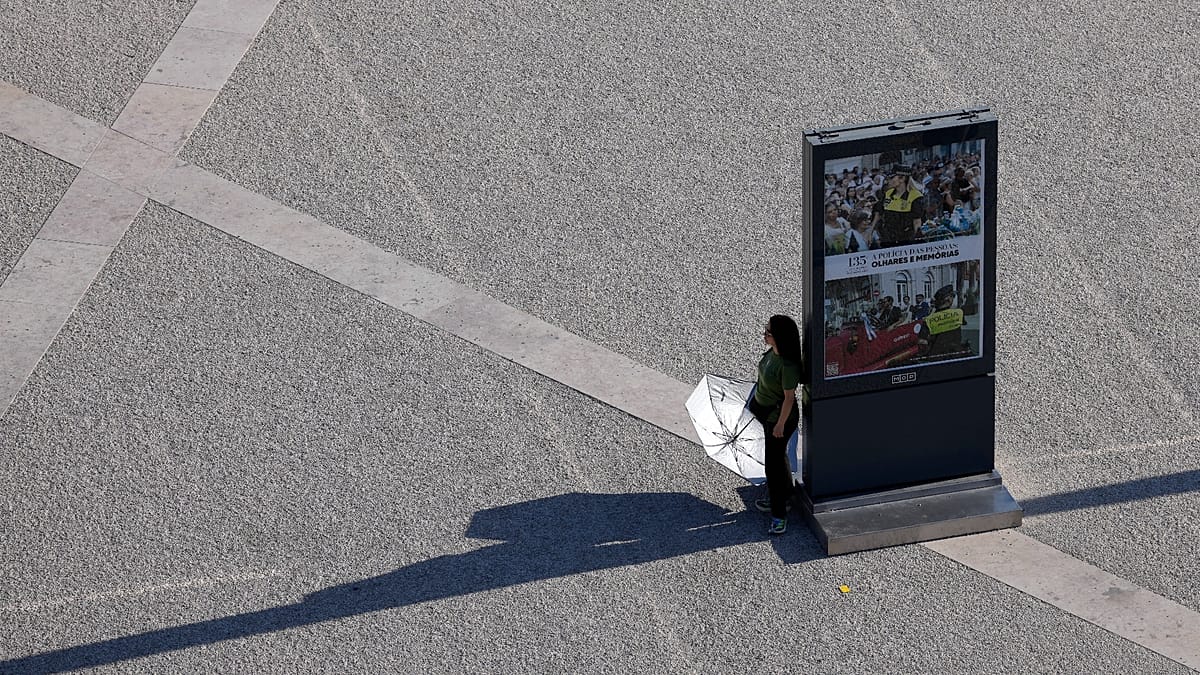
LISBON — Unseasonably severe heat marked the transition into calendar autumn across Portugal on Sept. 24, 2026, as ambient temperatures in Lisbon surged to 36 degrees Celsius (96.8 degrees Fahrenheit). The unexpected late-season heat spike caught international visitors and local residents off guard, disrupting expected autumnal weather patterns across the Portuguese capital. As autumn officially commenced, the persistence of summer-like thermal conditions highlighted ongoing shifts in Southern European weather patterns, where high temperatures increasingly linger well beyond the traditional summer months.
Key facts
What happened
The onset of autumn in Portugal was accompanied by an intense atmospheric heat pattern that pushed afternoon temperatures in Lisbon to 36 degrees Celsius on Sept. 24, 2026. The high reading created conditions more typical of July or August than late September, catching many arriving tourists unprepared for intense solar radiation and high ambient heat.
Visitors navigating Lisbon's historical districts—including the steep cobblestone incline of Alfama, the central avenues of the Baixa, and the hilltop viewpoints of the Bairro Alto—encountered scorching conditions rather than the moderate, breezy weather typical of late September. Many tourists had packed attire suitable for mild autumn temperatures, leaving them ill-equipped for full sun exposure and mid-30s temperatures.
Throughout the afternoon, crowds sought shelter under shaded plazas, beneath trees in urban parks such as the Jardim da Estrela and Eduardo VII Park, and along the Tagus River waterfront promenade at Ribeira das Naus. Outdoor cafes and restaurants adjusted misting systems and shade umbrellas to accommodate patrons, while public water points across the capital saw heavy use as pedestrians attempted to remain hydrated during peak afternoon heating hours.
The heat spike arrived precisely as the calendar marked the seasonal transition into autumn, creating a stark disconnect between calendar expectations and physical ground conditions in the Portuguese capital.
Why it matters
The persistence of 36-degree heat into late September carries significant implications for public health, tourism management, municipal infrastructure, and emergency planning across Southern Europe.
From a tourism perspective, Portugal has increasingly promoted late September and October as optimal shoulder-season months for international visitors. Travelers choosing autumn trips often do so specifically to avoid the extreme heat waves that hit Southern Europe in July and August, as well as to experience historic urban spaces without peak-season congestion. When temperatures reach 36 degrees Celsius in late September, shoulder-season visitors face the exact thermal hazards they intended to circumvent. This can affect visitor satisfaction, alter walking tours, and change daily itineraries toward air-conditioned indoor venues.
Public health considerations become paramount during unexpected late-season heat spikes. While local populations and healthcare systems prepare for heat advisories during midsummer, unseasonable heat in late September can find vulnerable populations unprepared. Elderly residents, young children, outdoor workers, and tourists engaged in physical exertion face heightened risks of heat exhaustion, heat stroke, and severe dehydration.
Furthermore, lingering summer temperatures extend the operational strain on national energy grids and municipal water supplies. High temperatures require sustained air conditioning use long after residential and commercial cooling demands typically decline. In addition, high late-September temperatures maintain low fuel-moisture levels in surrounding vegetation, prolonging the seasonal window for dangerous wildfires across the Iberian countryside.
The background
The Iberian Peninsula, situated in Southwestern Europe between the Atlantic Ocean and the Mediterranean Sea, possesses a Mediterranean climate characterized by warm, dry summers and mild, wet winters. Under the Köppen climate classification, Lisbon experiences a hot-summer Mediterranean climate, heavily influenced by its proximity to the Atlantic coast and the Tagus Estuary.
Historically, late September in Lisbon brings a noticeable moderation of summer temperatures. Climatological averages for the capital in late September typically feature daily highs around 26 degrees Celsius (79 degrees Fahrenheit), accompanied by cooler evening breezes off the Atlantic. A temperature reading of 36 degrees Celsius represents a deviation of approximately 10 degrees above historical seasonal norms.
Meteorological phenomena in Portugal are monitored and evaluated by the Instituto Português do Mar e da Atmosfera (IPMA), the national meteorological agency responsible for issuing weather forecasts, climate tracking, and official weather warnings ranging from Yellow to Orange and Red. When extreme temperatures threaten public health or safety, IPMA coordinates with the Autoridade Nacional de Emergência e Proteção Civil (ANEPC) to manage emergency preparedness and issue public warnings regarding heightened forest fire risk.
Simultaneously, Portugal's national health agency, the Direção-Geral da Saúde (DGS), operates contingency plans for excessive summer heat. These protocols are designed to alert the public and healthcare facilities when daily maximum temperatures exceed specific safety thresholds. Over recent decades, meteorologists across Southern Europe have observed an increasing frequency of extended summer conditions, where high-pressure systems push warm air masses northward, prolonging high temperatures well into the calendar autumn.
Reaction
The sudden rise to 36 degrees Celsius drew immediate responses from unprepared tourists traveling through Lisbon. Many visitors reported having to alter their planned sightseeing schedules, curtailing outdoor walking tours during peak afternoon hours between 11:00 and 17:00 in favor of visiting indoor museums, churches, or air-conditioned shopping areas.
While specific statements from municipal officials were not included in initial reports, Portuguese public health authorities routinely respond to high temperature events by reminding the public to take preventative health measures. Guidelines issued during late-season heat spikes typically advise residents and tourists to consume water regularly, avoid direct sun exposure during peak afternoon hours, wear light clothing, apply sun protection, and monitor vulnerable individuals such as the elderly and infants.
Civil protection officials and rural fire services maintain heightened vigilance during late-season heat spells. Emergency services monitor forest fuel moisture levels and reinforce fire patrol units, as high temperatures combined with dry late-summer vegetation create elevated fire danger across central and southern Portugal.
What we don't know yet
Several critical details regarding this unseasonable weather event remain unresolved based on initial reporting:
First, it remains unclear how long the 36-degree heat pattern will persist over Lisbon and whether a cooler Atlantic maritime air mass is expected to displace the hot air mass in the immediate days following Sept. 24.
Second, the geographic extent of this late-season heat anomaly across Portugal is not fully detailed. It is unknown whether similar 36-degree or higher readings were recorded in other major urban centers, such as Porto in the north, Evora in the interior Alentejo region, or the southern resort towns of the Algarve.
Third, the initial reporting does not detail whether local emergency services or hospitals in Lisbon experienced an increase in heat-related medical admissions among tourists or local residents during the temperature peak.
What to watch
In the coming days, several key indicators will reveal the development and impact of Portugal's late-season heat spell:
This report is based on original news reporting published by Portuguese journalist Joana Mourão Carvalho on Sept. 24, 2026.
How this story was produced
This report was written by The Global Wire newsroom from reporting first published by Joana Mourão Carvalho. We verify the core facts against the original report, write our own account, and add the background and consequences a short wire item leaves out. Drafting is AI-assisted inside an editor-supervised pipeline, and every story is checked for accuracy of attribution, structure and duplication before it appears — full detail in our AI and funding disclosure.
Spotted an error? Tell us at corrections@horizonglobalnews.com and read our corrections policy or editorial standards.

Reader comments
Loading comments…