

UN and Health Officials Face Hurdles in Sustaining Global Pandemic Preparedness Push
Six years after COVID-19 emerged, diplomats at the United Nations struggle to finalize binding global agreements on disease surveillance, financing, and vaccine equity.
By The Global Wire Newsroom · Reported from ABC News
Link preview · horizonglobalnews.com
UN and Health Officials Face Hurdles in Sustaining Global Pandemic Preparedness Push
Six years after COVID-19 emerged, diplomats at the United Nations struggle to finalize binding global agreements on disease surveillance, financing, and vaccine equity.
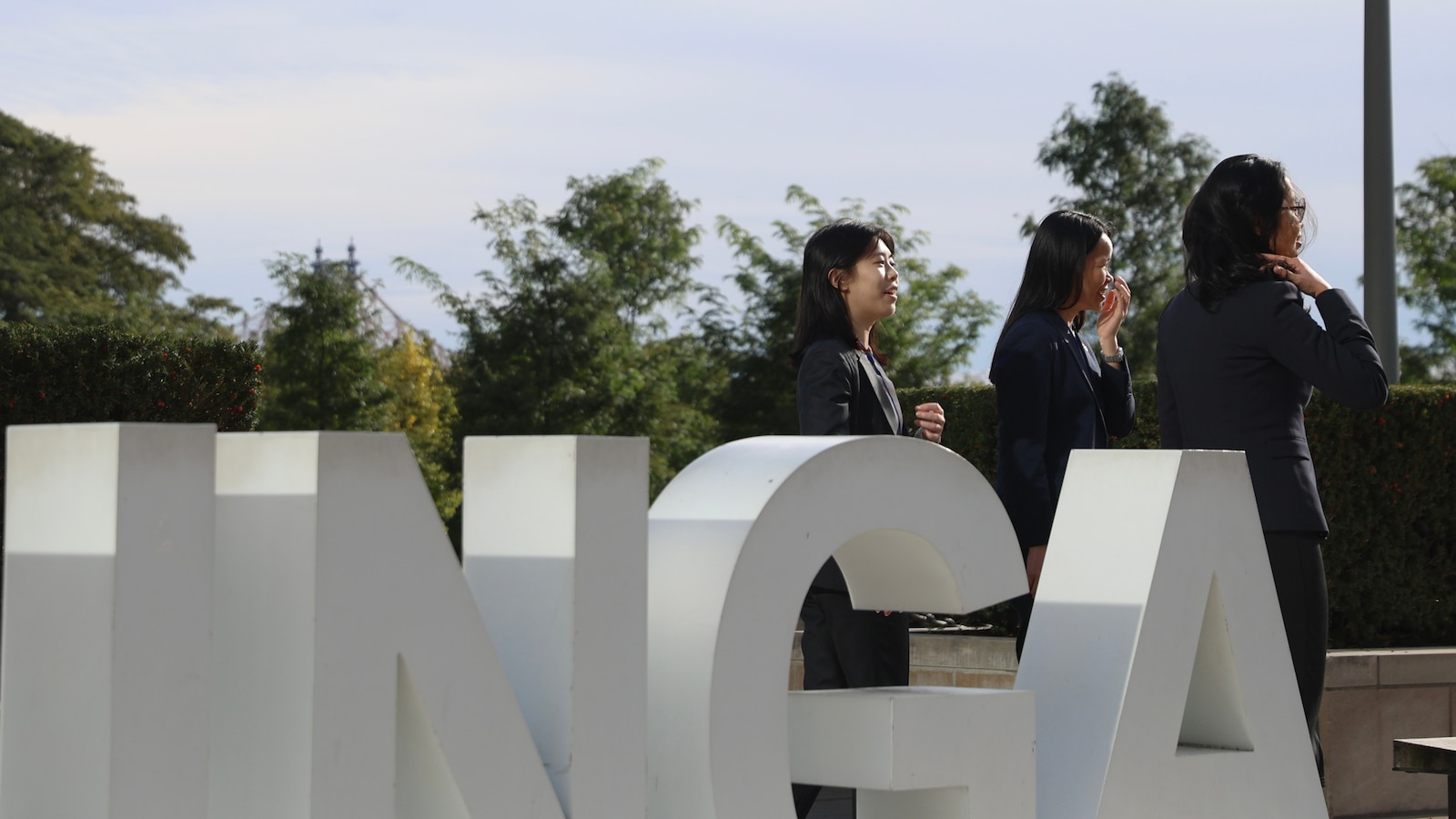
UNITED NATIONS — Six years after COVID-19 exposed severe vulnerabilities in global emergency response systems, leadership at the United Nations General Assembly and the World Health Organization are struggling to maintain momentum behind institutional reforms designed to protect against future pandemics. During high-level sessions at UN Headquarters in New York, international officials warned that the threat of novel pathogens remains critical, cautioning against a cycle of initial panic followed by neglect. However, international negotiations aimed at solidifying binding rules on disease surveillance and equitable resource sharing have encountered significant political friction, threatening to leave global health architecture unprepared for the next crisis.
Key facts
What happened
During high-level discussions at the annual United Nations General Assembly, UN officials and health administrators attempted to keep pandemic preparedness at the forefront of international policy. Leaders emphasized that while acute emergency declarations for COVID-19 have ended, the structural deficiencies that contributed to millions of deaths worldwide remain largely unresolved.
According to reporting by ABC News, efforts to build momentum behind a coordinated global framework face significant friction. International representatives are confronting diplomatic fatigue and competing geopolitical priorities, ranging from active military conflicts to economic inflation and tight domestic budgets.
At the heart of the standoff is the proposed global pandemic agreement, an international legal instrument negotiated through WHO’s Intergovernmental Negotiating Body. While consensus exists on expanding early-warning systems, negotiations have repeatedly stalled over enforceable commitments. Delegates from lower-income nations have demanded guarantees that medical countermeasures—including diagnostic tests, antiviral treatments, and vaccines—will be shared equitably during a crisis. Conversely, representatives from high-income nations housing major pharmaceutical firms have resisted mandatory technology transfers or broad waivers on intellectual property rights.
Simultaneously, discussions surrounding global health security financing have revealed ongoing funding gaps. The World Bank’s Pandemic Fund, designed to provide grants for laboratory capacity and workforce training, requires sustained capital commitments from donor nations to achieve its operational goals. Health officials highlighted that without structural financing and signed accords, international readiness risks regressing to pre-2020 levels.
Why it matters
The slowdown in global health diplomacy carries direct consequences for international biosecurity. Public health experts note that infectious disease threats operate without regard to national borders. Without functional, pre-established legal structures governing global emergency response, the international community risks repeating the fragmented and nationalistic actions seen during the COVID-19 pandemic.
When COVID-19 spread globally in early 2020, high-income nations routinely outbid lower-income countries for medical supplies, diagnostic tools, and vaccine supplies. This dynamic delayed access to life-saving interventions across developing regions, prolonged high transmission rates, and allowed space for new viral variants to emerge. If negotiators fail to agree on binding equity mechanisms before another major pathogen emerges, similar resource hoarding is likely to recur.
Furthermore, economic analysis demonstrates that proactive investments in global health security are far less costly than managing an unmitigated global outbreak. COVID-19 eliminated trillions of dollars in economic output and ballooned national debts globally. Failing to secure permanent funding for basic health infrastructure in vulnerable regions leaves trade networks, travel, and financial stability permanently exposed.
The impasse also jeopardizes global scientific cooperation. Effective disease detection relies on researchers rapidly sharing pathogen genetic sequence data when new viruses appear. If developing nations suspect that sharing biological samples will lead to remedies they cannot access or afford, their willingness to share critical data could decline, slowing the global response.
The background
The current push for international public health reform stems directly from systemic failures identified during the COVID-19 crisis, which began in late 2019 and was designated a Public Health Emergency of International Concern by WHO in January 2020. In December 2021, recognizing the limitations of existing mechanisms, the 194 member states of the World Health Organization convened a rare special session of the World Health Assembly—the WHO's governing body—to initiate a formal drafting process for a binding accord on pandemic prevention, preparedness, and response.
This marked only the second time in WHO history that member states invoked Article 19 of the WHO Constitution to draft a legally binding treaty, following the 2003 Framework Convention on Tobacco Control. Member states formed the Intergovernmental Negotiating Body (INB) to oversee drafting sessions in Geneva.
In tandem, member states pursued amendments to the International Health Regulations (IHR 2005), an existing framework establishing basic obligations for reporting disease outbreaks. While the IHR provides standards for notification, it lacks enforcement mechanisms and operational tools for allocating supplies during acute global shortages.
To address infrastructure gaps, the World Bank Board of Directors approved the establishment of the Pandemic Fund in June 2022, formally launching it later that year. Co-developed with WHO, the fund gathers sovereign and philanthropic donations to assist lower-income countries in building laboratory infrastructure, disease surveillance, and training healthcare workers.
Previous voluntary efforts highlighted the need for binding agreements. The Access to COVID-19 Tools Accelerator (ACT-A) and COVAX were launched in 2020 to distribute vaccines equitably. However, because COVAX relied on voluntary funding and non-binding purchase commitments, wealthy nations frequently bypassed the system through bilateral contracts with pharmaceutical companies, securing priority supply access.
Reaction
The ongoing difficulties in reaching agreement at the United Nations have prompted strong warnings from global public health officials and civil society groups. Leaders within the World Health Organization have urged member states to resist political apathy, emphasizing that future disease outbreaks are guaranteed.
Delegates representing developing nations, including members of the African Union and the Group of 77 coalition at the UN, have expressed frustration over high-income nations' unwillingness to accept mandatory technology transfers or guaranteed reserve allocations. Representatives from these regions argue that an agreement lacking hard equity obligations provides negligible benefit to countries lacking domestic pharmaceutical manufacturing.
Conversely, biopharmaceutical industry groups and officials from several Western nations maintain that intellectual property protections are essential to drive commercial research and development. They argue that compromising patent rights would undermine the research ecosystem that enabled the rapid creation of mRNA vaccines in 2020, advocating instead for voluntary licensing and commercial partnerships.
Advocacy groups warn that allowing commercial interests or domestic politics to stall negotiations leaves global populations exposed to emerging viral threats, such as novel influenza strains or hemorrhagic fevers.
What we don't know yet
Several critical elements of the proposed global pandemic framework remain unresolved. It is currently unknown whether WHO member states will reach compromise on the Pathogen Access and Benefit-Sharing system, or what precise percentage of emergency medical production manufacturers might be required to allocate for WHO distribution during a crisis.
Furthermore, the legal enforcement mechanisms of any finalized treaty remain unclear. International accords depend heavily on national ratification and peer diplomatic pressure, leaving questions about how compliance with reporting or supply-sharing rules would be mandated if a signatory fails to perform.
Long-term financial commitments to the World Bank Pandemic Fund also remain uncertain. It is unclear whether donor nations will establish recurring budget line items or if contributions will fluctuate based on changing political environments. Finally, it remains uncertain whether key national legislatures, including the United States Senate and European parliaments, would ratify a final accord.
What to watch
Several upcoming decision points and indicators will determine whether international pandemic preparedness efforts advance:
This report contains news gathering and reporting conducted by ABC News.
How this story was produced
This report was written by The Global Wire newsroom from reporting first published by ABC News. We verify the core facts against the original report, write our own account, and add the background and consequences a short wire item leaves out. Drafting is AI-assisted inside an editor-supervised pipeline, and every story is checked for accuracy of attribution, structure and duplication before it appears — full detail in our AI and funding disclosure.
Spotted an error? Tell us at corrections@horizonglobalnews.com and read our corrections policy or editorial standards.



Reader comments
Loading comments…