

Study Finds 40 Percent of Instagram Posts Under Women's Health Tag Are Advertisements
A new analysis shows that four out of ten Instagram posts tagged for women's health are commercial promotions framed as medical guidance, raising public health concerns.
By The Global Wire Newsroom · Reported from Brooke Nickel; Tessa Copp
Link preview · horizonglobalnews.com
Study Finds 40 Percent of Instagram Posts Under Women's Health Tag Are Advertisements
A new analysis shows that four out of ten Instagram posts tagged for women's health are commercial promotions framed as medical guidance, raising public health concerns.
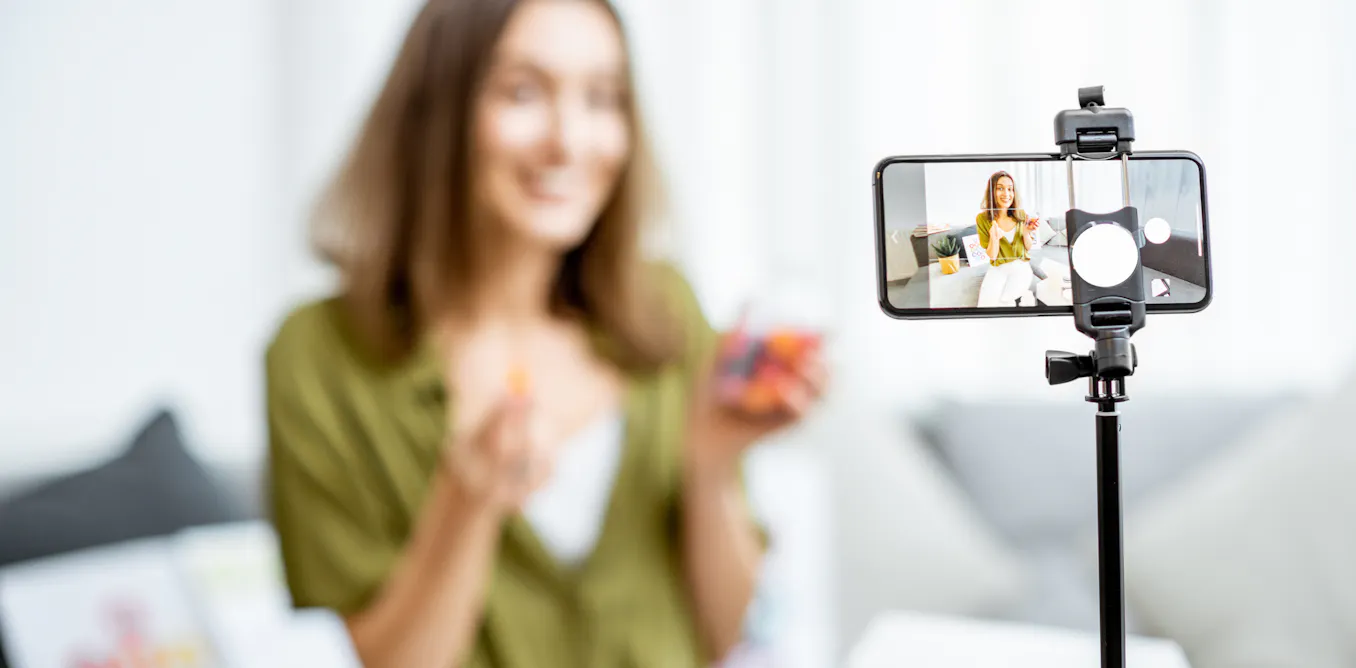
An investigation into health information distributed on social media has revealed that four out of every ten posts categorized under the popular hashtag #womenshealth on Instagram are commercial advertisements disguised as educational advice. The research, released on September 24, 2026, by researchers Brooke Nickel and Tessa Copp, illuminates the extent to which commercial interests have saturated social platforms, raising critical public health concerns about the accuracy and independence of medical guidance delivered to millions of social media users.
Key facts
What happened
The findings published by Brooke Nickel and Tessa Copp demonstrate that searching for women's health information on Instagram exposes users to a high volume of commercial marketing disguised as organic health education. In their evaluation of posts tagged with #womenshealth, the authors discovered that 40 percent were promotional items designed to market specific products, services, or subscription programs.
Rather than featuring explicit banner advertisements or clearly flagged corporate messaging, many of these posts adopted native advertising strategies. Commercial entities and paid influencers framed promotional pitches as objective educational infographics, relatable patient stories, or clinical guidance. Common content themes included advice on hormone balancing, fertility optimization, gut health, and symptom management for conditions such as endometriosis and polycystic ovary syndrome.
The study highlighted how promotional creators leverage visual elements—such as clean typography, pastel color palettes, and professional-looking medical diagrams—to convey clinical authority. Captions often blended generic health advice with soft pitches for proprietary dietary supplements, home testing kits, virtual health consultations, or specialized fitness programs. In many instances, commercial affiliations and promotional intents were either omitted entirely or buried deep within long caption texts behind obscure hashtags, obscuring the commercial nature of the material from everyday users.
Why it matters
The high concentration of disguised advertising within health-related social media tags carries significant consequences for public health, consumer protection, and healthcare delivery. Social media platforms have increasingly replaced traditional search engines and healthcare providers as the primary source of health information for younger demographics. When four out of ten informational posts serve commercial objectives, users face a substantial risk of making healthcare decisions based on financial incentives rather than medical evidence.
From a clinical perspective, reliance on commercialized health advice can lead to delayed diagnoses, non-evidence-based treatments, and potential physical harm. Direct-to-consumer health marketing on social platforms frequently promotes unregulated dietary supplements, unverified diagnostic panels, or restrictive diets that lack established efficacy and safety profiles. Patients experiencing chronic or complex symptoms may opt for costly, unproven wellness interventions while postponing consultations with qualified medical professionals.
Financially, native advertising in digital health spaces targets vulnerable populations seeking relief from painful or distressing symptoms. Consumers frequently spend significant sums out-of-pocket on non-prescription remedies marketed through deceptive visual framing. Furthermore, the blur between clinical expertise and commercial promotion undermines overall public trust in legitimate medical institutions and professional health communication strategies, complicating public health efforts to disseminate verified medical guidance.
The background
The proliferation of health-focused marketing on social media builds upon broader trends in direct-to-consumer healthcare advertising and the rapid growth of the global digital wellness economy. Historically, direct-to-consumer medical advertising was subject to strict regulatory oversight, particularly regarding prescription pharmaceuticals. In the United States, for instance, the Food and Drug Administration regulates pharmaceutical advertising, requiring clear disclosures of risks and side effects. However, wellness products, lifestyle coaching, and dietary supplements operate under far less stringent regulatory oversight, governed primarily by general consumer protection standards enforced by agencies such as the Federal Trade Commission.
Over the past decade, platforms such as Instagram, owned by Meta, have evolved from visual photo-sharing networks into major commercial search hubs. The platform's algorithm prioritizes high-engagement content, incentivizing creators to produce visually striking, emotionally resonant material. Recognizing this mechanism, wellness brands and marketing agencies shifted budget allocations toward influencer partnerships and native content creation.
Regulatory bodies have attempted to adapt to this shift. In 2023, the FTC updated its Health Products Compliance Guidance and its Guides Concerning the Use of Endorsements and Testimonials in Advertising, explicitly warning social media influencers and brand sponsors that commercial relationships must be disclosed clearly and conspicuously. Similarly, in Australia, the Therapeutic Goods Administration updated its social media advertising codes in 2022 to restrict paid influencer endorsements of therapeutic goods. Despite these legislative framework updates, enforcing compliance across millions of daily user posts remains an immense technical and logistical challenge for regulatory agencies and platform operators alike.
Reaction
The publication of the findings by Nickel and Copp has renewed calls from public health advocates, patient advocacy groups, and digital rights organizations for stricter platform governance and enhanced regulatory oversight. Healthcare professionals have voiced growing frustration over the volume of health-related misinformation and commercial exploitation confronting their patients online.
Medical organizations routinely advise consumers to exercise extreme caution when consuming health advice on social media feeds, urging patients to verify recommendations with credentialed medical practitioners and established health authorities. Consumer advocacy groups argue that social media platforms should be held accountable for failing to enforce their own advertising guidelines, pointing out that automated moderation systems consistently miss covert marketing campaigns disguised as user-generated content.
In response to past criticism regarding advertising transparency, Meta has highlighted its built-in branded content tools, which allow creators to attach a paid partnership label to sponsored posts. However, watchdogs contend that enforcement remains largely voluntary and reliant on user reporting, allowing non-compliant commercial accounts to operate without penalty while capturing algorithmic reach.
What we don't know yet
While the research by Nickel and Copp quantifies the high proportion of commercial posts under the #womenshealth hashtag, several critical questions remain unaddressed in the available reporting. The precise methodology of the study—including the exact sample size of posts analyzed, the specific timeframes during which data was harvested, and the precise breakdown of product categories represented—has not been fully detailed in the summary findings.
It remains unclear what percentage of the identified commercial posts directly violated relevant trade laws or Instagram's internal branded content policies through total failure to disclose financial ties. Additionally, the available reporting does not clarify whether the commercial posts received higher user engagement, such as likes, comments, and shares, than non-commercial informational posts authored by certified healthcare professionals or non-profit organizations. Understanding these engagement dynamics is essential for determining whether platform algorithms actively prioritize commercial health claims over evidence-based medical information.
What to watch
In the coming months, several key indicators will reveal whether social media networks and regulatory bodies address the prevalence of covert health advertising. Watch for potential regulatory scrutiny or enforcement actions from agencies such as the FTC, the UK Advertising Standards Authority, or the Australian Competition and Consumer Commission targeting undisclosed digital health marketing.
Another critical area to monitor is whether Meta implements algorithmic updates or mandatory disclosure checks specifically targeted at health-related hashtags. Watch for potential developments in computer vision and natural language processing tools designed to automatically flag commercial intent in health content. Furthermore, upcoming legislative initiatives regarding digital platform accountability and consumer safety in online environments may introduce stricter legal mandates for social media companies, forcing higher standards of ad labeling and transparency in digital health public spaces.
This report is based on research and reporting published by Brooke Nickel and Tessa Copp.
How this story was produced
This report was written by The Global Wire newsroom from reporting first published by Brooke Nickel; Tessa Copp. We verify the core facts against the original report, write our own account, and add the background and consequences a short wire item leaves out. Drafting is AI-assisted inside an editor-supervised pipeline, and every story is checked for accuracy of attribution, structure and duplication before it appears — full detail in our AI and funding disclosure.
Spotted an error? Tell us at corrections@horizonglobalnews.com and read our corrections policy or editorial standards.


Reader comments
Loading comments…