

Shapoorji Pallonji Group Backs Tata Sons IPO as Private Monetization Talks Stall
The Shapoorji Pallonji Group now supports an initial public offering for Tata Sons after private buyout talks led by Noel Tata failed to agree on tax-efficient cash payout structures.
By The Global Wire Newsroom · Reported from Kala Vijayraghavan; Sagar Malviya
Link preview · horizonglobalnews.com
Shapoorji Pallonji Group Backs Tata Sons IPO as Private Monetization Talks Stall
The Shapoorji Pallonji Group now supports an initial public offering for Tata Sons after private buyout talks led by Noel Tata failed to agree on tax-efficient cash payout structures.
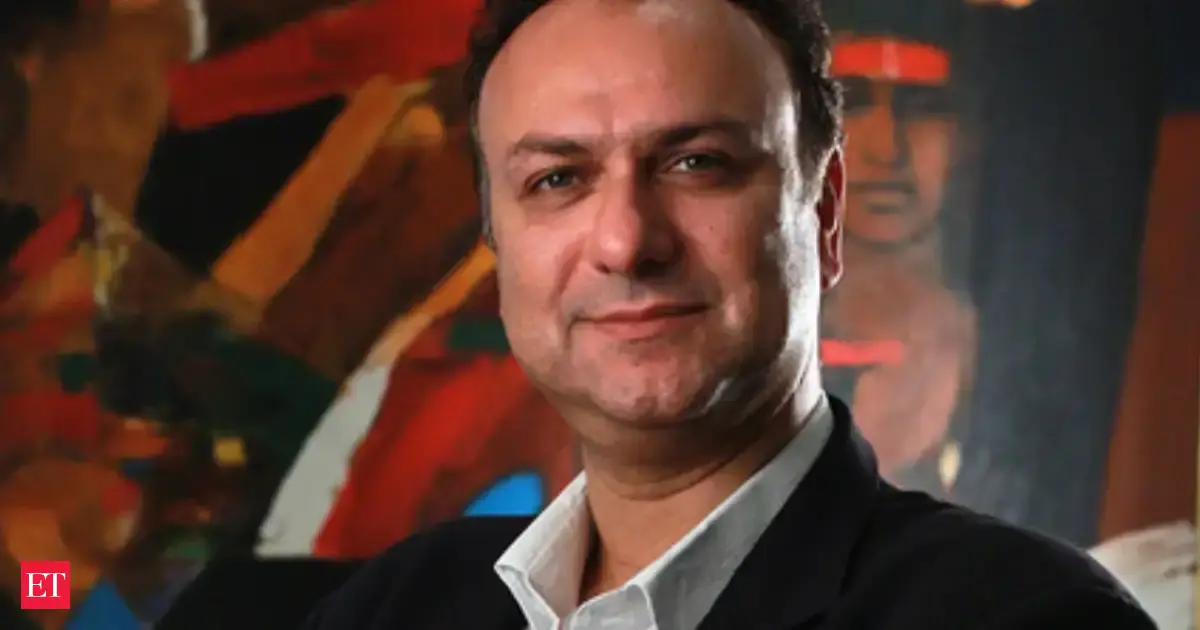
In a major pivot within India’s corporate landscape, the Shapoorji Pallonji Group has abandoned its push for a direct private buyout and thrown its support behind a public stock market listing for Tata Sons Private Limited. The strategic shift follows the stall of confidential monetization talks led by Tata Trusts Chairman Noel Tata, which aimed to execute a structured acquisition or phased redemption of the Shapoorji Pallonji Group’s 18.37 percent equity holding in the unlisted parent entity. With direct discussions failing to reach an agreement on tax-efficient structures and payout schedules, the Mumbai-based Shapoorji Pallonji conglomerate is now aligning with an Initial Public Offering as the primary vehicle to unlock liquidity.
Key facts
What happened
For several months, executive leadership from the Shapoorji Pallonji (SP) Group engaged in high-level, private negotiations with Noel Tata, who assumed leadership within the controlling Tata Trusts. The primary objective of these talks was to engineer a clean financial exit for the SP Group, resolving a long-standing shareholder dispute while providing much-needed capital to the Mistry family's business group.
The talks centered on structuring a tax-efficient buyout that would allow the SP Group to monetize its 18.37 percent stake without triggering immediate, punitive capital gains tax liabilities for either party. Negotiators examined multi-year cash payment structures, partial stock redemptions, and asset transfers involving non-core operating businesses within the broader Tata corporate ecosystem. A key priority for the SP Group was securing a predictable cash flow schedule to reduce corporate debt across its infrastructure and construction units.
However, discussions hit an impasse over the timing and mechanics of cash distributions. Tata Sons leadership sought to preserve group balance sheet strength and avoid taking on substantial leverage or liquidating key operating assets to fund a buyout. Meanwhile, legal and financial advisors struggled to construct a transaction model that could clear regulatory scrutiny without incurring severe tax friction.
With direct negotiations failing to produce a binding agreement, the SP Group altered its strategy. The group publicly backed a public listing of Tata Sons. By supporting an IPO, the SP Group aims to establish a transparent, market-driven valuation for the holding company while creating a regulated public market through which it can eventually sell down its equity or use listed shares as collateral for refinancing.
Why it matters
An Initial Public Offering of Tata Sons would mark one of the most significant events in Indian financial history. As the principal investment holding company for the $150-billion-plus Tata group, Tata Sons owns controlling equity stakes in major listed corporations, including Tata Consultancy Services, Tata Motors, Tata Steel, Titan Company, and Tata Power.
For the SP Group, supporting a public listing offers a clear path out of a locked minority position. Holding an 18.37 percent stake in an unlisted holding company severely restricts liquidity, as private transfers require approval under Tata Sons' rigid articles of association. A public market float would eliminate these transfer constraints, enabling the SP Group to establish a fair market value for its assets and execute secondary share sales to institutional investors.
For global capital markets and Indian equity indices, listing Tata Sons would create India’s largest corporate issuer by market capitalization. A public listing would attract billions of dollars in international passive and active investment capital. However, it would also bring fundamental changes to Tata Sons' governance structure. Going public would subject the historically private parent company to Securities and Exchange Board of India (SEBI) disclosure rules, mandatory quarterly financial reporting, independent board oversight, and heightened public scrutiny regarding dividend upstreaming and inter-company transactions.
The background
The corporate relationship between the Mistry family, which controls the SP Group, and the Tata group dates back nearly nine decades. The Mistry family began acquiring shares in Tata Sons during the 1930s, eventually building an 18.37 percent equity position. For decades, the alliance remained passive and supportive, with Pallonji Mistry maintaining close ties with long-time Tata Sons Chairman Ratan Tata.
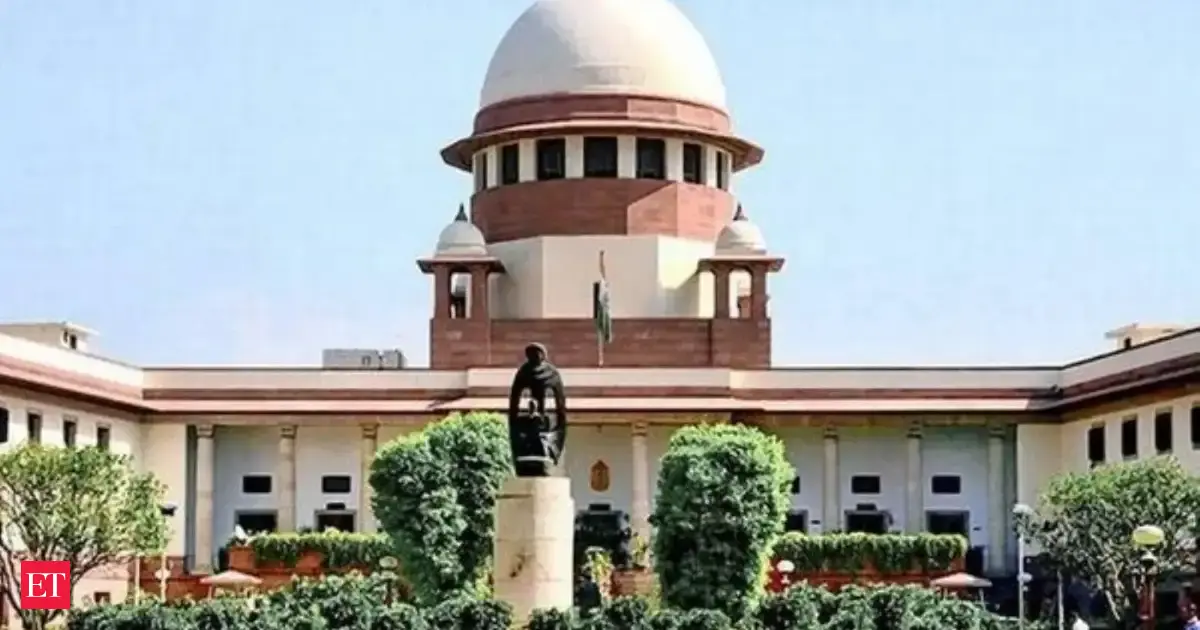
This relationship changed dramatically in October 2016, when the Tata Sons board unexpectedly removed Cyrus Mistry—Pallonji Mistry’s son—from his position as Chairman of Tata Sons, to which he had been appointed in 2012. The dismissal sparked a legal battle that traversed Indian tribunals and reached the Supreme Court of India. The litigation involved allegations of minority shareholder oppression, corporate misgovernance, and disputes over board representation. In March 2021, the Supreme Court ruled in favor of Tata Sons, upholding Mistry’s removal and affirming the validity of Tata Sons' articles of association regarding share transfer restrictions.
Alongside the legal dispute, regulatory developments shifted the outlook for Tata Sons. In October 2021, the Reserve Bank of India (RBI) introduced a scale-based regulatory framework for Non-Banking Financial Companies (NBFCs). Under this system, Tata Sons was categorized as an "Upper Layer" NBFC (NBFC-UL) due to its size and role as a Core Investment Company.
Under RBI regulations, entities classified in the Upper Layer are required to list on public stock exchanges within three years of designation. Tata Sons has since examined various legal and financial options, including debt reduction and seeking regulatory exemptions, to determine whether it can adjust its corporate structure and avoid an involuntary public listing.
Reaction
While official spokespersons for Tata Sons and the SP Group declined to issue public statements following the stall of direct talks, capital markets and institutional analysts in Mumbai have followed the developments closely.
Market analysts view the SP Group's support for an IPO as a strategic attempt to accelerate liquidity creation and apply pressure on regulatory and corporate decision-makers. Credit rating agencies monitoring SP Group subsidiaries view the monetization of its Tata Sons equity as essential for its long-term debt reduction plans. Concurrently, institutional investors holding shares in listed Tata operating companies are assessing whether a parent-level public listing would lead to shifts in corporate governance, dividend policies, or group capital allocation.
What we don't know yet
Despite the SP Group's endorsement of a public float, critical questions regarding the listing process remain unanswered. It is currently unknown whether the Tata Sons board will formally initiate IPO preparations by filing a Draft Red Herring Prospectus with SEBI, or if management will continue pursuing regulatory exemptions from the Reserve Bank of India to remain unlisted.
Furthermore, the specific valuation discount that public markets will place on Tata Sons as a holding company remains uncertain. Indian holding companies typically trade at a discount of 20 percent to 50 percent relative to the aggregate value of their underlying listed subsidiaries. It is also unclear whether an IPO would involve a primary capital raise, an Offer for Sale by existing investors like the SP Group, or a combination of both.
What to watch
Key upcoming factors that will shape the resolution of the shareholder structure include:
Reporting for this account is based on coverage by Kala Vijayraghavan and Sagar Malviya.
How this story was produced
This report was written by The Global Wire newsroom from reporting first published by Kala Vijayraghavan; Sagar Malviya. We verify the core facts against the original report, write our own account, and add the background and consequences a short wire item leaves out. Drafting is AI-assisted inside an editor-supervised pipeline, and every story is checked for accuracy of attribution, structure and duplication before it appears — full detail in our AI and funding disclosure.
Spotted an error? Tell us at corrections@horizonglobalnews.com and read our corrections policy or editorial standards.





Reader comments
Loading comments…