

Saudi Arabia Proposes ‘Dragon Ball’ Theme Park in Paris to Expand Soft Power Push
A planned anime attraction near the French capital marks an expansion of the kingdom's multi-billion-dollar push into international pop culture and tourism investments.
By The Global Wire Newsroom · Reported from Henry Samuel
Link preview · horizonglobalnews.com
Saudi Arabia Proposes ‘Dragon Ball’ Theme Park in Paris to Expand Soft Power Push
A planned anime attraction near the French capital marks an expansion of the kingdom's multi-billion-dollar push into international pop culture and tourism investments.
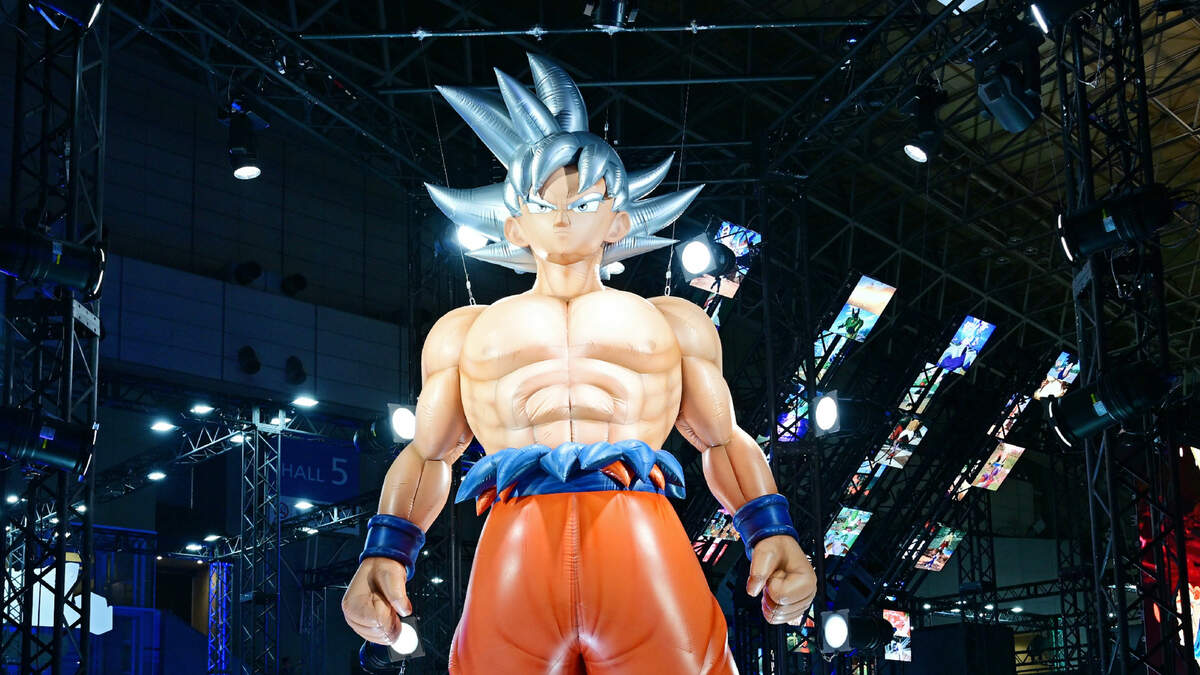
Saudi Arabia is planning to construct a theme park dedicated to the "Dragon Ball" Japanese anime franchise in the Paris area, seeking to establish a major entertainment destination in Europe that directly competes with Disneyland Paris. According to reporting by Henry Samuel, the proposal forms the newest front in Riyadh's multi-billion-dollar effort to extend its economic influence and cultural soft power far beyond its domestic borders. By placing a high-profile pop-culture attraction in the outskirts of the French capital—one of the world's most visited tourism hubs and a stronghold for Japanese animation fandom in Europe—the Saudi leadership is attempting to transform its sovereign capital investments into mainstream global entertainment assets.
Key facts
What happened
According to reporting by Henry Samuel, Saudi developers have targeted the Paris region for a specialized theme park centered on "Dragon Ball," the iconic manga and anime franchise. The planned facility is intended to serve as an alternative destination to Disneyland Paris, which has long dominated the European theme park market.
The proposal represents a dramatic international extension of Saudi Arabia's cultural investment strategy. Previously, Saudi entities had largely focused on building massive entertainment projects within the kingdom's own borders or acquiring minority equity stakes in existing international media corporations. Bringing a branded destination directly into a major Western European metropolitan area signals a shift toward owning and operating flagship consumer attractions abroad.
While full design schematics, land acquisition specifics, and municipal planning filings for the Paris location have not been made public, the initiative reflects a coordinated push between Saudi development entities and rights-holders of the Japanese franchise. The project builds on existing licensing agreements established with Japanese media houses to translate beloved intellectual property into physical real estate assets.
Why it matters
The proposal to construct a Saudi-funded "Dragon Ball" resort outside Paris carries significant commercial, geopolitical, and cultural implications. For the European entertainment and tourism sectors, the establishment of a major brand-driven theme park near Paris introduces direct competition to Disneyland Paris in Marne-la-Vallée, which has dominated continental Europe's theme park sector since its opening in April 1992. France is widely recognized as Western Europe's largest market for Japanese popular culture, with manga sales accounting for a major portion of the country's graphic novel industry. Placing a flagship anime destination in the Paris commuter zone capitalizes directly on this existing regional consumer demand.
From a geopolitical perspective, the initiative illustrates how sovereign wealth from the Gulf region is shifting from passive financial investment toward active cultural branding. Critics and foreign policy analysts frequently characterize high-profile state investments in sports, gaming, and entertainment as efforts to alter international public perception and soften scrutiny over human rights records. By linking the Saudi state's sovereign investments to universally recognized pop-culture brands like "Dragon Ball," Riyadh seeks to create positive, everyday touchpoints with millions of international consumers, particularly younger demographics.
For the international media industry, the project underscores a broader market trend where non-Western intellectual property and state-backed capital are reshaping global location-based entertainment. The high capital intensity of building top-tier theme parks—often requiring billions of euros in upfront infrastructure, land acquisition, and ride technology—limits the pool of potential developers worldwide. Sovereign wealth funds, particularly those in the Middle East, have become some of the few institutional investors with the capital reserves and long-term investment horizons required to underwrite such massive real estate developments.
The background
To understand the context behind a Saudi-backed anime theme park in France, it is essential to examine Saudi Arabia's domestic restructuring under its Vision 2030 economic strategy, its previous foreign investments in Japanese media, and France's unique position in the global anime market.
In 2016, Saudi Crown Prince Mohammed bin Salman launched Vision 2030, a sweeping national directive aimed at reducing the kingdom's structural dependence on crude oil revenues. A core pillar of Vision 2030 involves building robust domestic sports, tourism, and entertainment sectors, while simultaneously using the Public Investment Fund (PIF)—the state's sovereign wealth fund holding hundreds of billions of dollars in assets—to acquire strategic stakes in high-growth global growth sectors.
Saudi Arabia's interest in Japanese pop culture and digital entertainment has grown rapidly over the past decade. The PIF and its wholly owned subsidiary, Savvy Games Group, have poured tens of billions of dollars into the global gaming and media ecosystem. The fund acquired multi-billion-dollar stakes in leading Japanese gaming and entertainment companies, including Nintendo, Capcom, Koei Tecmo, and Toei Animation—the historic production studio responsible for animating the "Dragon Ball" television series.
In March 2024, Saudi Arabia's Qiddiya Investment Company, an entity fully owned by the PIF, formally unveiled plans to construct the world's first dedicated "Dragon Ball" theme park within Qiddiya City, an ambitious entertainment megaproject under construction near Riyadh. That planned 500,000-square-meter domestic facility was designed to feature seven distinct themed zones replicating iconic locations from the franchise, along with thirty rides anchored by a 70-meter-tall roller coaster built inside a replica of the mythical dragon Shenron.
The choice of "Dragon Ball" as a central asset for international expansion taps into one of the most commercially successful media franchises in history. Created by the late manga artist Akira Toriyama in 1984, "Dragon Ball" began as a serialized story in Weekly Shōnen Jump before evolving into an international media empire encompassing multiple television series, feature films, video games, and consumer merchandise. Toriyama's passing in early 2024 sparked widespread global retrospectives, reaffirming the franchise's enduring cultural footprint across generations of fans worldwide.
France provides an ideal European base for such an endeavor. Since the late 1980s, when series like "Dragon Ball" were broadcast on French network television programs such as Club Dorothée, France has cultivated an intense affinity for Japanese animation and comic books. Today, France stands as the second-largest market for manga in the world, surpassed only by Japan itself. By selecting Paris over other European capitals, Saudi developers are placing their investment in a market with both massive domestic fandom and an established infrastructure for international tourism.
Reaction
As reported details of the Paris theme park project emerge, public officials, local government bodies in the Île-de-France region, and tourism industry analysts are expected to evaluate the economic and municipal impact of the proposal. Major urban developments near Paris face rigorous French regulatory oversight, including local zoning approvals, environmental impact assessments, and public infrastructure integration reviews regarding transportation and utility connections.
Within the global entertainment industry, competitors and analysts will monitor how existing operators respond to Saudi Arabia's aggressive moves into location-based entertainment. Euro Disney S.C.A. and its parent company, The Walt Disney Company, have continuously expanded Disneyland Paris to maintain its market-leading position in Europe. French cultural commentators and anime community leaders are also expected to scrutinize the project, balancing enthusiasm for a major franchise destination against public debate surrounding state-sponsored soft power projects funded by foreign governments.
What we don't know yet
Despite the ambition outlined in the proposal reported by Henry Samuel, several critical operational and logistical details remain unconfirmed.
What to watch
This account is based on original reporting published by Henry Samuel.
How this story was produced
This report was written by The Global Wire newsroom from reporting first published by Henry Samuel. We verify the core facts against the original report, write our own account, and add the background and consequences a short wire item leaves out. Drafting is AI-assisted inside an editor-supervised pipeline, and every story is checked for accuracy of attribution, structure and duplication before it appears — full detail in our AI and funding disclosure.
Spotted an error? Tell us at corrections@horizonglobalnews.com and read our corrections policy or editorial standards.



Reader comments
Loading comments…