

Rubio Heads to India as Trade Negotiations Stall Over Agriculture and Energy
The top US diplomat will travel to Mumbai and Jamnagar to address persistent hurdles delaying a bilateral economic pact.
By The Global Wire Newsroom · Reported from SECTIONS What is holding up the US-India trade deal AFP
Link preview · horizonglobalnews.com
Rubio Heads to India as Trade Negotiations Stall Over Agriculture and Energy
The top US diplomat will travel to Mumbai and Jamnagar to address persistent hurdles delaying a bilateral economic pact.
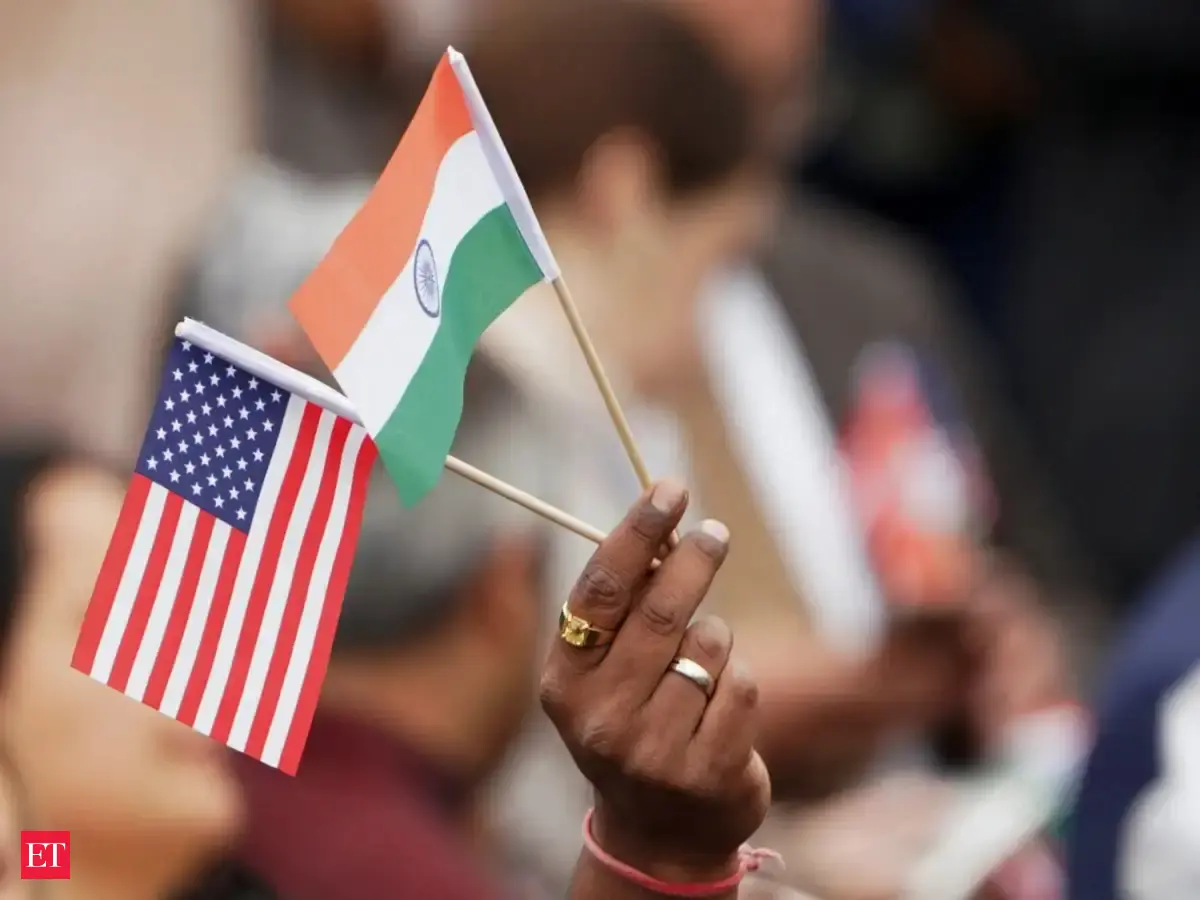
United States Secretary of State Marco Rubio is scheduled to travel to India next week for high-level diplomatic talks intended to bolster bilateral ties and address long-standing disputes that continue to stall a comprehensive trade pact between the world's two largest democracies. The diplomatic mission will bypass the political capital of New Delhi for parts of its agenda, featuring high-profile meetings in the commercial hub of Mumbai and the industrial center of Jamnagar, with bilateral discussions zeroing in on strategic energy cooperation and cross-border investment flows.
Key facts
What happened
Secretary of State Marco Rubio's upcoming itinerary marks a concerted effort by Washington to engage directly with Indian corporate and industrial leaders alongside government counterparts, according to reporting by Agence France-Presse. Rather than limiting discussions to administrative protocols in New Delhi, the scheduled stops in Mumbai and Jamnagar point toward a transactional focus on commercial execution and energy security.
In Mumbai, discussions will center on foreign direct investment, financial sector regulation, and capital deployment into Indian infrastructure and manufacturing. In Jamnagar, situated in the western state of Gujarat, the focus turns directly to global energy markets and refining infrastructure. Jamnagar hosts the sprawling petroleum refining and petrochemical complex operated by Reliance Industries, representing a central node in the global refining network and a critical facility for Indian energy processing, including the handling of crude imports and the export of refined petroleum products to global markets.
The discussions come amid protracted negotiations over a bilateral trade pact. While strategic and defense cooperation between the two nations has accelerated across multiple administrations, economic negotiations have repeatedly encountered friction. Delays have persisted as negotiators from the Office of the United States Trade Representative and the Indian Ministry of Commerce and Industry wrestle with competing domestic mandates and regulatory philosophies.
Why it matters
The impasse in US-India trade negotiations carries profound implications for global supply chain restructuring, energy market stability, and the geopolitical alignment of the Indo-Pacific region. Both nations have repeatedly framed their bilateral partnership as indispensable for counterbalancing regional economic dominance and securing resilient supply chains in critical minerals, semiconductors, and renewable energy technologies. However, the inability to finalize a coherent trade agreement creates commercial unpredictability for multinational corporations attempting to diversify operations under "friendshoring" initiatives.
For corporate enterprises and institutional investors, the current friction translates into concrete operational hurdles. American exporters continue to face elevated import tariffs on industrial equipment, agricultural goods, and high-technology items entering the Indian market, where average applied most-favored-nation tariffs remain significantly higher than those of other major emerging markets. Conversely, Indian exporters continue to operate without the tariff concessions previously granted under the US Generalized System of Preferences, an arrangement that historically sheltered billions of dollars in Indian exports from standard US customs duties.
Furthermore, the focus on Jamnagar emphasizes the delicate energy dynamics linking Washington and New Delhi. India has become a primary consumer of discounted maritime crude from international suppliers, refining it into diesel and jet fuel for international distribution. Navigating these petroleum flows while seeking deeper cooperation on liquefied natural gas, nuclear energy, and clean technology transitions requires careful diplomatic alignment, particularly as Washington balances domestic industrial policies with international sanctions enforcement.
The background
Economic friction between the United States and India has spanned several administrations, frustrating policymakers who have otherwise overseen unprecedented convergence on defense, intelligence sharing, and regional security initiatives such as the Quadrilateral Security Dialogue. In 2019, the Trump administration terminated India's eligibility under the Generalized System of Preferences program, citing a lack of equitable and reasonable market access for US exporters. India responded with retaliatory tariffs on dozens of American products, including agricultural staples such as almonds, apples, and walnuts.
While subsequent negotiations under the Biden administration succeeded in resolving several outstanding World Trade Organization disputes—including reciprocal retaliatory tariffs—fundamental structural differences have prevented a comprehensive free trade agreement or even a narrower bilateral trade package. The primary fault lines remain concentrated in several distinct sectors:
First, agriculture and dairy represent an enduring domestic red line for New Delhi. India has steadfastly resisted US demands for unrestricted access for American agricultural commodities, citing concerns over religious sensitivities regarding animal-derived feed in the dairy sector, as well as strict domestic moratoria on genetically modified crops. Given that hundreds of millions of Indian citizens depend on subsistence and small-scale agriculture, Indian negotiators have viewed tariff liberalization in farming as politically non-negotiable.
Second, digital trade and data governance have generated substantial friction. India's regulatory frameworks, including measures regarding data localization, cross-border data transfers, and compliance mandates for foreign technology companies, have drawn sustained criticism from US trade representatives and Silicon Valley firms. Washington has consistently argued that these policies establish non-tariff barriers to trade, while New Delhi defends them as essential matters of digital sovereignty and national security.
Third, industrial tariffs and regulatory compliance continue to impede bilateral commerce. The United States has pressed India to lower tariffs on medical devices, consumer electronics, and automotive products, and to eliminate price controls on specialized medical equipment such as coronary stents. India has countered by maintaining that domestic tariff structures are vital to supporting its "Make in India" domestic manufacturing incentives, which seek to develop homegrown industrial capacity across key manufacturing verticals.
Reaction
Official diplomatic channels have thus far framed the impending mission as a constructive platform to advance shared bilateral economic goals, though neither government has publicly released specific draft agreements scheduled for signature during the trip. Diplomatic observers in Washington and New Delhi anticipate that the visits to Mumbai and Jamnagar will provoke detailed scrutiny from domestic trade bodies and industrial lobbies on both sides.
In the United States, agricultural associations, pharmaceutical trade groups, and digital commerce coalitions are expected to monitor whether the talks yield enforceable commitments regarding market access and regulatory transparency. Corporate lobbying bodies such as the US-India Business Council and the US-India Strategic Partnership Forum have persistently urged both governments to prioritize regulatory predictability and the harmonization of cross-border compliance standards.
In India, industrial conglomerates and trade syndicates are watching closely to see whether high-level diplomatic outreach will translate into increased US capital investments or concessions on technology transfer, particularly in clean energy and advanced refining technologies. Opposition parties and agricultural unions within India regularly scrutinize any high-profile trade negotiations for signs of concessions that could disrupt domestic farming communities or compromise food sovereignty.
What we don't know yet
The public outlines of the trip leave several critical operational questions unresolved. Most prominent is whether Secretary Rubio's discussions in Jamnagar will touch on the specific terms of Indian energy procurement from international markets subject to US regulatory oversight and price-cap enforcement mechanisms. The extent to which Washington intends to press Indian refiners on their crude sourcing—or instead offer incentives to increase Indian purchases of American liquefied natural gas and crude—remains unconfirmed.
Additionally, it remains unclear whether the two governments are actively working toward a formal interim trade agreement, commonly referred to as a "mini-deal," or if the current discussions are primarily exploratory consultations designed to maintain diplomatic momentum. The wire reporting does not specify whether specific trade instruments, such as the restoration of Generalized System of Preferences benefits or the mutual reduction of specific industrial tariff lines, are formally on the negotiating table for this visit.
Finally, the status of bilateral negotiations within parallel multilateral frameworks, such as the trade pillar of the Indo-Pacific Economic Framework for Prosperity, from which India previously opted out regarding binding commitments, remains an open question that neither side has addressed in connection with the upcoming trip.
What to watch
The trajectory of US-India economic relations following Rubio's visit will be shaped by several clear indicators in the weeks and months ahead:
This account is based on original reporting by Agence France-Presse.
How this story was produced
This report was written by The Global Wire newsroom from reporting first published by SECTIONS What is holding up the US-India trade deal AFP. We verify the core facts against the original report, write our own account, and add the background and consequences a short wire item leaves out. Drafting is AI-assisted inside an editor-supervised pipeline, and every story is checked for accuracy of attribution, structure and duplication before it appears — full detail in our AI and funding disclosure.
Spotted an error? Tell us at corrections@horizonglobalnews.com and read our corrections policy or editorial standards.



Reader comments
Loading comments…