

Adverse Economic Update Hits Trump Administration Weeks Before 2026 Midterm Elections
An unexpected economic slowdown has heightened political risks for Republicans less than three weeks before nationwide congressional elections, according to analysis by Stephen Bartholomeusz.
By The Global Wire Newsroom · Reported from Stephen Bartholomeusz
Link preview · horizonglobalnews.com
Adverse Economic Update Hits Trump Administration Weeks Before 2026 Midterm Elections
An unexpected economic slowdown has heightened political risks for Republicans less than three weeks before nationwide congressional elections, according to analysis by Stephen Bartholomeusz.
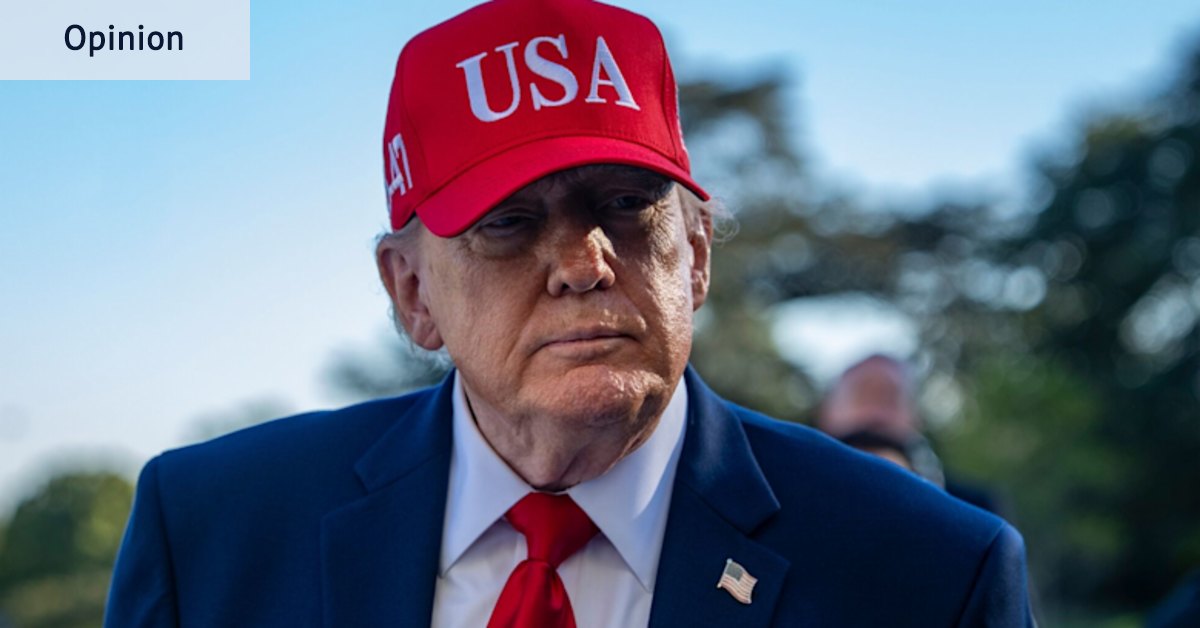
WASHINGTON — An unexpected downturn in macroeconomic indicators has delivered a significant political blow to President Donald Trump and the Republican Party as candidates enter the final stretch of the campaign season, according to analysis by financial commentator Stephen Bartholomeusz published on October 15, 2026. The unexpected economic update arrived at a perilous moment for the governing party, compounding existing political vulnerabilities as voters prepare to head to the polls. The report underscores expanding financial strain within the domestic economy and highlights the broader global consequences of recent United States policy decisions, threatening to reshape the balance of power in Washington.
Key facts
What happened
The release of mid-October economic indicators delivered a sharp disappointment to fiscal forecasts, altering the national political dialogue during the critical closing weeks of the election cycle. According to reporting by Stephen Bartholomeusz, the economic update presented unexpected weakness across key sectors of the domestic financial system, arriving at what analysts characterize as the worst possible time for the White House and congressional Republicans.
While specific campaign strategies had been built around messaging of economic resilience and domestic industrial renewal, the updated figures forced candidates into a defensive posture. The data pointed to mounting pressure on household finances, constrained business expansion, and friction arising from broad national economic policy adjustments. Political campaigns on both sides of the aisle immediately adjusted their messaging schedules, with opposition strategists seizing on the metrics to criticize the administration's governance while Republican leaders sought to contextualize the numbers within broader long-term structural transitions.
The macroeconomic update also heightened sensitivity across domestic and international financial markets. Analysts observed increased volatility in equity indices and bond yield spreads as market participants reassessed expectations regarding Federal Reserve policy, corporate earnings trajectories, and consumer spending patterns through the remainder of the fiscal year.
Why it matters
Economic performance figures released immediately prior to a national election exert disproportionate influence on voter sentiment and financial market expectations. For the Republican Party, which entered the 2026 cycle attempting to defend narrow majorities in the House of Representatives and the Senate, an adverse economic report complicates legislative retention strategies across dozens of competitive swing districts. Historically, midterm elections function as a referendum on the sitting president's economic stewardship, and negative updates in October frequently tip undecided voters toward opposition candidates.
Beyond immediate electoral implications, the economic report carries broad consequences for federal fiscal policy, monetary strategy, and international trade relations. Weakening domestic demand or persistent price pressures place the Federal Reserve in a challenging policy position, forcing central bank officials to weigh interest rate adjustments against conflicting signals of slowing growth and elevated living costs. For businesses and international trading partners, economic deceleration in the United States reduces cross-border capital flows, alters supply chain investment decisions, and dampens global export demand.
Furthermore, a shift in congressional control resulting from economic discontent would dramatically restrict the White House's ability to enact further statutory reforms, approve judicial nominations, or pass executive spending priorities during the second half of the presidential term, potentially leading to legislative gridlock in Washington through 2028.
The background
The current economic landscape reflects the cumulative impact of policy changes introduced following the inauguration of President Donald Trump on January 20, 2025. Upon returning to the White House for a second non-consecutive term, the administration instituted widespread changes to U.S. trade policy, including elevated import duties, regulatory rollbacks across federal agencies, and legislative efforts focused on domestic tax policy and energy production.
Throughout late 2025 and early 2026, economists and financial institutions closely monitored the international and domestic effects of these measures. Broad tariffs on imported goods intended to protect domestic manufacturing faced pushback from trade partners, leading to retaliatory tariffs on American agricultural and manufactured exports. Concurrently, domestic supply chains experienced cost inflation as businesses adjusted to higher input pricing, while federal budget deficit projections expanded due to shifts in tax revenue and federal expenditures.
The United States macroeconomic tracking framework relies on scheduled releases from federal agencies, including the Department of Labor's Bureau of Labor Statistics, the Department of Commerce's Bureau of Economic Analysis, and periodic reports from the Federal Reserve System. In prior election cycles, such as the midterms of 1982, 1994, 2006, and 2010, sharp shifts in quarterly gross domestic product estimates, employment statistics, or inflation indices during September and October played decisive roles in determining which political party controlled the U.S. Congress.
Reaction
The economic report prompted immediate responses from political leaders, market participants, and policy analysts across Washington and major financial centers. Congressional Democrats capitalized on the data, framing the figures as direct evidence that the administration's economic and trade policies have imposed financial hardship on American families and destabilized key industries. Opposition leaders held press briefings calling for legislative oversight and immediate shifts in federal economic strategy.
Republicans offered a guarded response, with campaign officials emphasizing that structural economic reforms require time to generate full results. Administration surrogates pointed to underlying employment levels and long-term domestic investment incentives, arguing that short-term data fluctuations should not overshadow broader policy goals. Several Republican candidates in highly contested districts sought to distance their platforms from specific tariff structures, focusing instead on local economic initiatives and deregulation.
In financial markets, investment managers and economic researchers cautioned that the figures complicate the outlook for corporate earnings and federal revenue collection. International observers and foreign trade representatives noted that domestic economic slowing in the U.S. could reduce global trade volume, prompting calls from international monetary institutions for stable, predictable fiscal policy across major industrialized economies.
What we don't know yet
Several critical elements surrounding the economic update remain unresolved as officials and market participants analyze the full implications of the reporting:
What to watch
In the days and weeks ahead, several key milestones will determine the political and economic trajectory:
This article is based on reporting and financial analysis published by Stephen Bartholomeusz on October 15, 2026.
How this story was produced
This report was written by The Global Wire newsroom from reporting first published by Stephen Bartholomeusz. We verify the core facts against the original report, write our own account, and add the background and consequences a short wire item leaves out. Drafting is AI-assisted inside an editor-supervised pipeline, and every story is checked for accuracy of attribution, structure and duplication before it appears — full detail in our AI and funding disclosure.
Spotted an error? Tell us at corrections@horizonglobalnews.com and read our corrections policy or editorial standards.





Reader comments
Loading comments…