

Restrictions on Abortion Drugs Impair Treatment for Fibroids and Endometriosis
Legal and political efforts to restrict mifepristone threaten access for patients relying on progesterone blockers to manage chronic, non-pregnancy gynecological and endocrine disorders.
By The Global Wire Newsroom · Reported from Sarah Varney; Rachel Wellford
Link preview · horizonglobalnews.com
Restrictions on Abortion Drugs Impair Treatment for Fibroids and Endometriosis
Legal and political efforts to restrict mifepristone threaten access for patients relying on progesterone blockers to manage chronic, non-pregnancy gynecological and endocrine disorders.
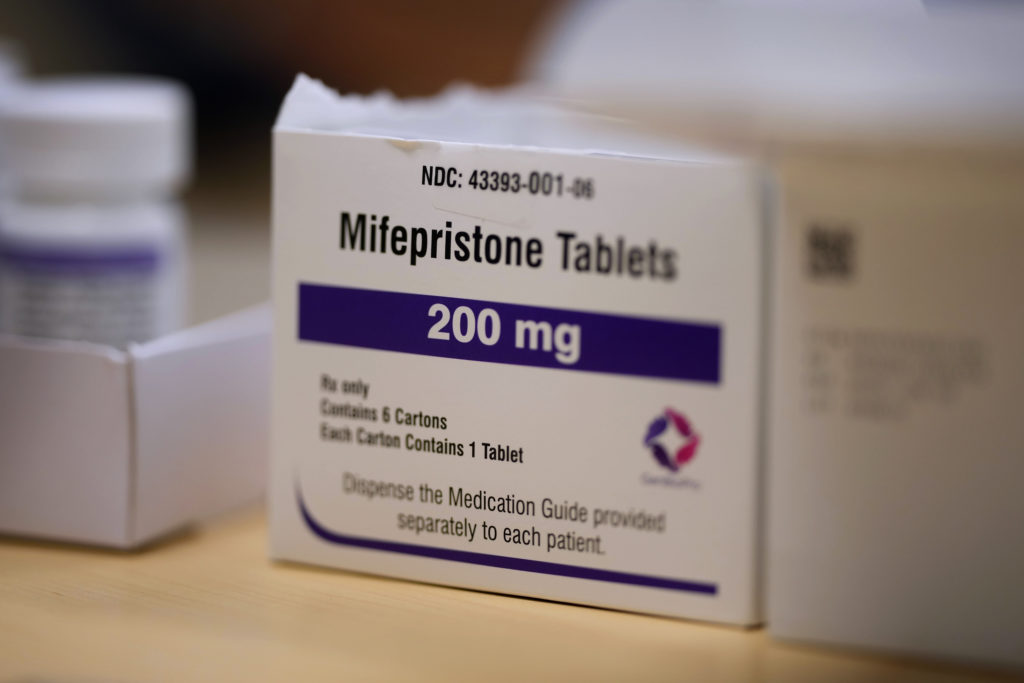
WASHINGTON — Political and legal efforts by anti-abortion advocacy groups seeking to restrict or ban mifepristone are collateralizing the care of patients suffering from non-pregnancy health conditions, according to reporting published on September 21, 2026, by Sarah Varney and Rachel Wellford. While mifepristone has held federal regulatory approval in the United States for medication abortion for more than 25 years, clinical research demonstrates that the drug—along with related progesterone receptor modulators—plays a critical therapeutic role in managing chronic gynecological and endocrine disorders, including uterine fibroids and endometriosis. As advocacy groups press for tighter distribution limits and state-level bans, health policy experts warn that restricting the compound threatens off-label treatments, complicates pharmacy access, and deepens disparities for millions of patients across the nation.
Key facts
What happened
Reporting by Sarah Varney and Rachel Wellford highlights how nationwide efforts to restrict medication abortion have increasingly disrupted routine gynecological and endocrinological medical practice. Anti-abortion organizations continue to pursue aggressive legal and legislative strategies aimed at curtailing mifepristone access, restricting mail-order pharmacy distribution, and urging state lawmakers to pass statutes limiting who can prescribe or stock the drug.
These campaigns exert a significant impact beyond reproductive healthcare. Pharmacologists and medical specialists note that because mifepristone operates as a progesterone receptor antagonist, its biochemical mechanism blocks the hormonal signals that drive benign tumor growth and inflammatory tissue expansion in non-pregnancy conditions. However, under state laws that penalize or heavily restrict abortifacient compounds, clinicians face severe administrative obstacles, insurance denials, and legal risks when issuing prescriptions for off-label uses.
Pharmacists in multiple jurisdictions have displayed growing hesitation to dispense mifepristone, even when medical records verify that the prescribed usage is entirely unrelated to pregnancy termination. This reluctance stems from concerns over potential criminal liability under broadly worded state statutes, burdensome reporting requirements, and federal Risk Evaluation and Mitigation Strategy (REMS) protocols. As a result, patients seeking relief from severe symptoms associated with uterine fibroids or endometriosis encounter treatment delays, redundant verification checks, or outright refusals at retail pharmacies.
Why it matters
The regulatory crossfire surrounding mifepristone carries significant clinical and social consequences for healthcare delivery across the United States. Uterine fibroids affect up to 70 to 80 percent of women by age 50, with disproportionately severe outcomes among Black women. Symptoms include excessive menstrual bleeding leading to severe anemia, severe pelvic pain, and structural complications. Endometriosis affects approximately 10 percent of reproductive-age women globally, causing debilitating chronic pain and potential damage to pelvic organs.
When antiprogestins like mifepristone become difficult to obtain, healthcare providers lose an effective conservative, organ-sparing medical option. Without non-surgical therapies to shrink fibroid tumors or suppress endometriotic tissue, patients are more frequently referred for invasive surgical procedures, such as myomectomies or hysterectomies. For patients wishing to preserve future fertility or avoid the recovery periods associated with surgery, the loss of pharmaceutical alternatives represents a major decline in standard care.
Furthermore, legal risks alter clinical decision-making. Medical institutions and individual prescribers, concerned about liability or licensing penalties under ambiguous state laws, may remove mifepristone from their formularies entirely. This defensive practice exacerbates regional healthcare inequities, leaving patient outcomes governed by state legislative boundaries rather than clinical guidelines.
The background
Mifepristone was first approved by the U.S. Food and Drug Administration in September 2000 for the medical termination of early pregnancy when paired with misoprostol. From its initial approval, the FDA placed the drug under strict regulatory controls, which eventually became formalized as a Risk Evaluation and Mitigation Strategy (REMS) program. The original protocol restricted distribution to certified clinics and medical facilities, explicitly prohibiting standard retail pharmacies from dispensing the drug.
Over two decades of clinical use demonstrated a safety profile comparable to common over-the-counter medications. In response to accumulating scientific data, the FDA updated its regulations in 2016 to expand the approved gestational window to 10 weeks, lower required dosage levels, and allow mid-level prescribers to administer the drug. In 2021, during the COVID-19 pandemic, the agency temporarily suspended the requirement for in-person dispensing, a change made permanent in January 2023 along with a pathway allowing certified retail and mail-order pharmacies to fill prescriptions.
In parallel with its obstetrical applications, researchers identified mifepristone’s effectiveness in treating endocrine disorders. In 2012, the FDA approved a higher-dose formulation under the brand name Korlym to treat hyperglycemia in patients with Cushing's syndrome who are ineligible for surgery. Clinical trials further demonstrated that lower doses of mifepristone significantly reduce menstrual blood loss and contract fibroid volume without causing the severe bone mineral density loss linked to alternative therapies, such as gonadotropin-releasing hormone (GnRH) agonists.
However, legal access to mifepristone became volatile following the Supreme Court’s June 2022 decision in Dobbs v. Jackson Women's Health Organization, which eliminated the constitutional right to abortion. Conservative advocacy groups subsequently launched legal challenges targeting the FDA's regulatory decisions. Although the Supreme Court unanimously dismissed one major challenge (FDA v. Alliance for Hippocratic Medicine) in June 2024 on standing grounds, state officials and anti-abortion organizations continue to seek legislative and judicial mechanisms to restrict the compound's distribution.
Reaction
Medical organizations and patient advocates have expressed rising concern over restrictions affecting mifepristone. Groups such as the American College of Obstetricians and Gynecologists (ACOG) and the American Medical Association (AMA) maintain that mifepristone is a safe, thoroughly evaluated medication. These professional bodies argue that political restrictions create ethical conflicts for practitioners and compromise patient care by limiting access to evidence-based treatments.
Conversely, anti-abortion organizations argue that mifepristone carries unaddressed health risks and contend that federal regulatory updates since 2016 improperly eased oversight. Advocates within these groups continue to lobby for broad restrictions on the importation, manufacture, and distribution of mifepristone, maintaining that rigorous oversight is necessary to prevent unauthorized abortion access regardless of off-label applications.
What we don't know yet
Several critical questions remain unresolved concerning the broader consequences of mifepristone restrictions:
What to watch
Key developments to monitor in the coming months include:
This report is based on original reporting conducted by Sarah Varney and Rachel Wellford.
How this story was produced
This report was written by The Global Wire newsroom from reporting first published by Sarah Varney; Rachel Wellford. We verify the core facts against the original report, write our own account, and add the background and consequences a short wire item leaves out. Drafting is AI-assisted inside an editor-supervised pipeline, and every story is checked for accuracy of attribution, structure and duplication before it appears — full detail in our AI and funding disclosure.
Spotted an error? Tell us at corrections@horizonglobalnews.com and read our corrections policy or editorial standards.






Reader comments
Loading comments…