

CNN, MS NOW, and Politico Sue White House as TV Networks Suspend Press Pool Coverage
Three major news organizations have filed a federal lawsuit against the White House, while television networks suspended participation in presidential pool coverage following heightened disputes.
By The Global Wire Newsroom · Reported from ET Online
Link preview · horizonglobalnews.com
CNN, MS NOW, and Politico Sue White House as TV Networks Suspend Press Pool Coverage
Three major news organizations have filed a federal lawsuit against the White House, while television networks suspended participation in presidential pool coverage following heightened disputes.
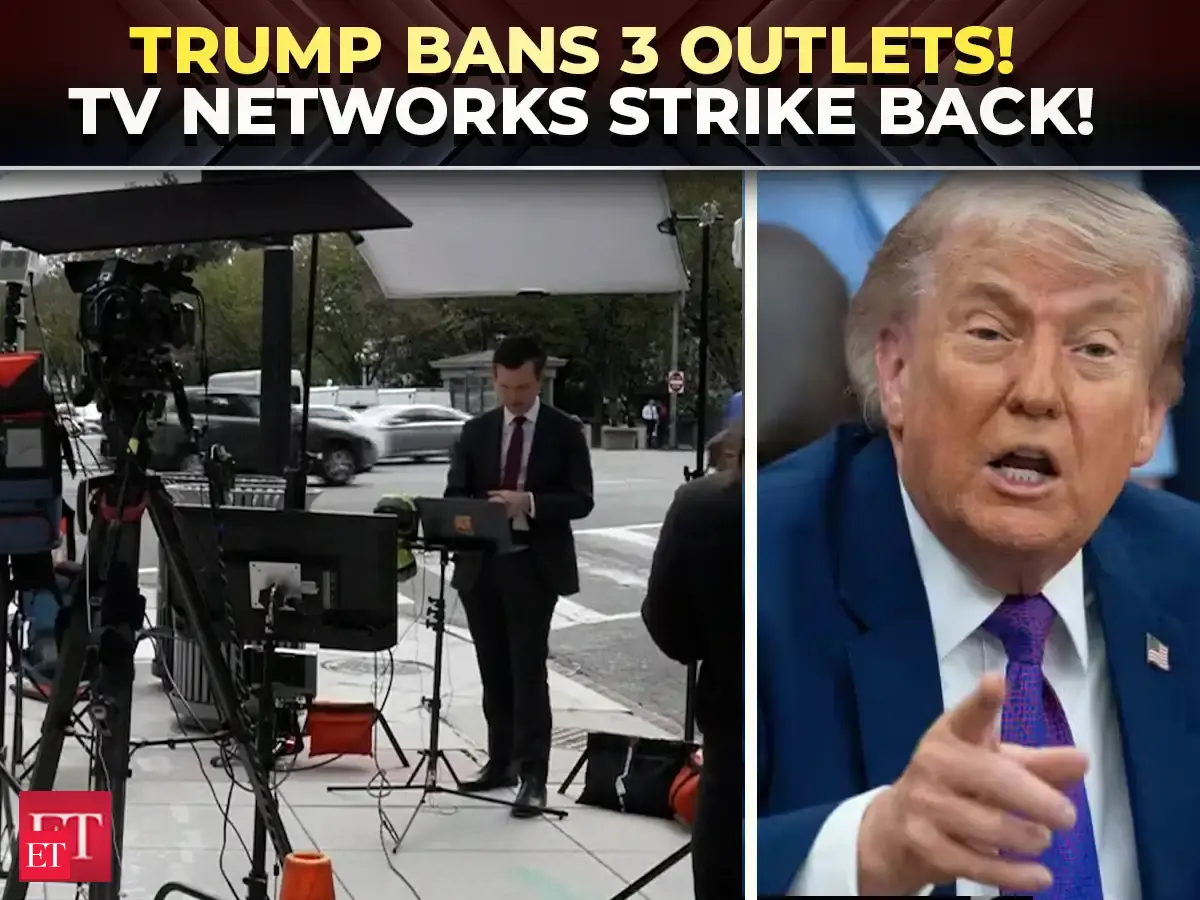
WASHINGTON — Three major American news outlets—CNN, MS NOW, and Politico—filed a joint federal lawsuit against the White House on September 21, 2026, marking a severe escalation in the ongoing legal and operational confrontation between the executive branch and the national news media. The coordinated legal challenge coincided with a major disruption in standard presidential news coverage, as television broadcast networks suspended their participation in the shared White House press pool system. The dual developments follow repeated public attacks by President Donald Trump targeting mainstream reporting, during which he asserted that disfavored news organizations publish false information that has expanded like a cancer across the national political landscape. The confrontation places fundamental questions regarding constitutional press protections, presidential authority, and news gathering access before the federal judiciary.
Key facts
What happened
The joint legal action by CNN, MS NOW, and Politico represents a unified effort by major national media organizations to challenge White House restrictions through the federal court system. According to reporting by ET Online, the news outlets filed their lawsuit following an intense series of disputes over press access to official events, facilities, and presidential proceedings.
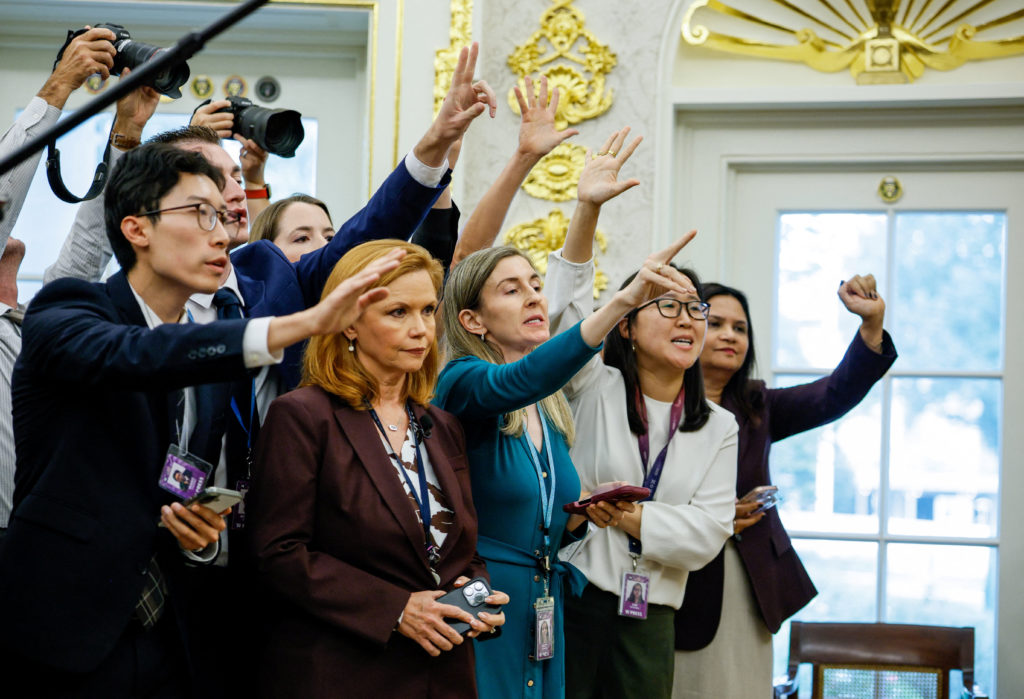
Simultaneously, television networks responsible for broadcasting presidential activities announced the suspension of their involvement in the White House pool system. Under established press procedures, the White House press pool functions as a cooperative arrangement where a small, designated group of print, television, radio, and photographic journalists attends presidential events where space is limited. This includes travel aboard Air Force One, meetings inside the Oval Office, and diplomatic gatherings in foreign capitals. The pool reporters collect audio, video, photos, and written observations, which are immediately shared across the broader press corps to ensure comprehensive coverage without crowding presidential venues.
The decision by broadcast networks to step away from pool participation disrupts this routine feed of presidential reporting, forcing news outlets to rely on alternative or reduced coverage methods. The simultaneous lawsuit and network action occurred against the backdrop of heightened rhetoric from the executive office. President Trump publicly denounced mainstream media coverage, explicitly claiming that deceptive reporting had proliferated unchecked throughout the country. The convergence of new administrative restrictions, presidential statements, media litigation, and pool suspensions created one of the most significant operational standoffs between the White House and the press in modern American history.
Why it matters
The double blow of a major news media lawsuit and the suspension of White House pool coverage has immediate consequences for public transparency, presidential accountability, and the broader ecosystem of national journalism. For decades, the pool reporting system has functioned as an essential mechanism for informing the public about the daily activities, speeches, and interactions of the president of the United States. When access is restricted or when networks withdraw from pooled duties, the volume and independence of real-time information reaching the public are diminished.
Logistically, individual news outlets cannot replicate the access provided by a functioning pool system, particularly in high-security or space-constrained environments such as presidential travel. Without shared audiovisual feeds and pool reports, local news stations, international outlets, and smaller publications that lack independent White House correspondents lose access to primary material regarding executive branch activities.
Legally, the joint lawsuit tests the scope of executive power over press facilities and credentialing. Under federal constitutional standards, the executive branch maintains broad authority over White House security and logistics, but that power is constrained by First Amendment protections for speech and press, as well as Fifth Amendment procedural due process requirements. A ruling favoring the media organizations could reinforce clear legal boundaries preventing administrations from denying access based on editorial content or critical reporting. Conversely, an adverse ruling for the media could establish legal precedent giving executive officials wider discretion to limit media presence at official events.
The background
The structural framework governing White House press coverage evolved during the mid-20th century as presidential travel increased and broadcast technology transformed political communication. To manage security requirements and space constraints while maintaining public openness, the White House Press Corps and executive press offices established the pool arrangement, coordinated in large part through the White House Correspondents' Association. The system relies on reciprocal trust and standard operational protocols, allowing journalists from competing companies to share initial news material.
Relations between presidential administrations and press corps have frequently involved political friction, but court battles over press credentials and access have produced significant legal precedent over the past decade. In November 2018, CNN filed a federal lawsuit against the Trump administration after the White House revoked the hard pass of chief White House correspondent Jim Acosta following a heated exchange at a press conference. A federal district court judge granted a temporary restraining order requiring the administration to restore Acosta's credentials, finding that the government had violated Fifth Amendment due process by revoking access without clear, pre-established standards or administrative remedies.
A similar legal challenge occurred in 2019, when executive press officials suspended the press credential of radio correspondent Brian Karem. A federal judge again ruled against the administration, issuing an injunction that reinstated Karem's pass and emphasizing that executive officials cannot apply press rules arbitrarily. These prior rulings established that while access to the White House is not absolute, the executive branch cannot strip credentials or exclude journalists in an arbitrary manner or in retaliation for protected journalistic activity. The legal action by CNN, MS NOW, and Politico builds upon this judicial foundation.
Reaction
The joint lawsuit and network pool suspension have generated immediate reactions across the media, legal, and political sectors. Press freedom organizations, media executives, and constitutional rights advocates expressed deep concern over the breakdown of standard press access, warning that restrictions on reporting undermine public knowledge of executive governance.
While the White House press office and the Department of Justice have not yet filed formal legal responses in court detailing their defense, administration representatives and supporters of President Trump have consistently argued that the executive branch holds the right to manage White House grounds and communicate directly with the public. Officials have previously defended access decisions by citing decorum, security, and allegations of persistent bias in mainstream news coverage.
Legal commentators expect the Department of Justice to defend the administration by asserting executive authority over White House security and event logistics. Meanwhile, formal statements and amicus briefs are expected from organizations such as the White House Correspondents' Association, the Reporters Committee for Freedom of the Press, and various news advocacy groups urging a swift resolution that guarantees broad media access.
What we don't know yet
Despite the significant nature of the filings, several crucial details remain unresolved in available reporting. The specific federal district court where the complaint was registered and the judge assigned to preside over the case have not been publicly disclosed. Furthermore, the precise legal remedies requested in the joint complaint—whether the plaintiffs are seeking an immediate temporary restraining order, preliminary injunctive relief, or a broader declaratory judgment regarding press access rules—have not been detailed.
Additionally, current reports do not outline the exact administrative event or specific policy mandate that triggered the television networks' decision to suspend pool participation. It remains unknown what specific terms, security guarantees, or access protocols the networks will require from White House officials before agreeing to resume their pooled coverage duties. The timeline for initial judicial hearings also remains unconfirmed.
What to watch
In the coming days and weeks, several key developments will indicate how this confrontation resolves. The immediate focus will center on the federal court docket, where attorneys for CNN, MS NOW, Politico, and the Department of Justice will file initial pleadings and schedule hearings regarding potential emergency injunctions.
Simultaneously, observers will monitor communications between news network executives and White House press staff to determine if negotiations lead to a temporary restoration of the pool system. Statements from the White House Correspondents' Association and potential legislative inquiries by congressional committees with oversight over constitutional rights will also provide indicators of broader institutional responses. Finally, future press briefings and public comments from President Trump will show whether the White House intends to alter its approach or maintain a firm stance throughout the legal proceedings.
This report incorporates information originally reported by ET Online.
How this story was produced
This report was written by The Global Wire newsroom from reporting first published by ET Online. We verify the core facts against the original report, write our own account, and add the background and consequences a short wire item leaves out. Drafting is AI-assisted inside an editor-supervised pipeline, and every story is checked for accuracy of attribution, structure and duplication before it appears — full detail in our AI and funding disclosure.
Spotted an error? Tell us at corrections@horizonglobalnews.com and read our corrections policy or editorial standards.

Reader comments
Loading comments…