

Metropolitan Opera Casts Live Snake Named Princess for Upcoming Mozart Production
A former carnival performer directed auditions at the New York opera house to select a live reptile for an upcoming Mozart adaptation.
By The Global Wire Newsroom · Reported from David R Martin; Jeffrey Collins; The Associated Press
Link preview · horizonglobalnews.com
Metropolitan Opera Casts Live Snake Named Princess for Upcoming Mozart Production
A former carnival performer directed auditions at the New York opera house to select a live reptile for an upcoming Mozart adaptation.
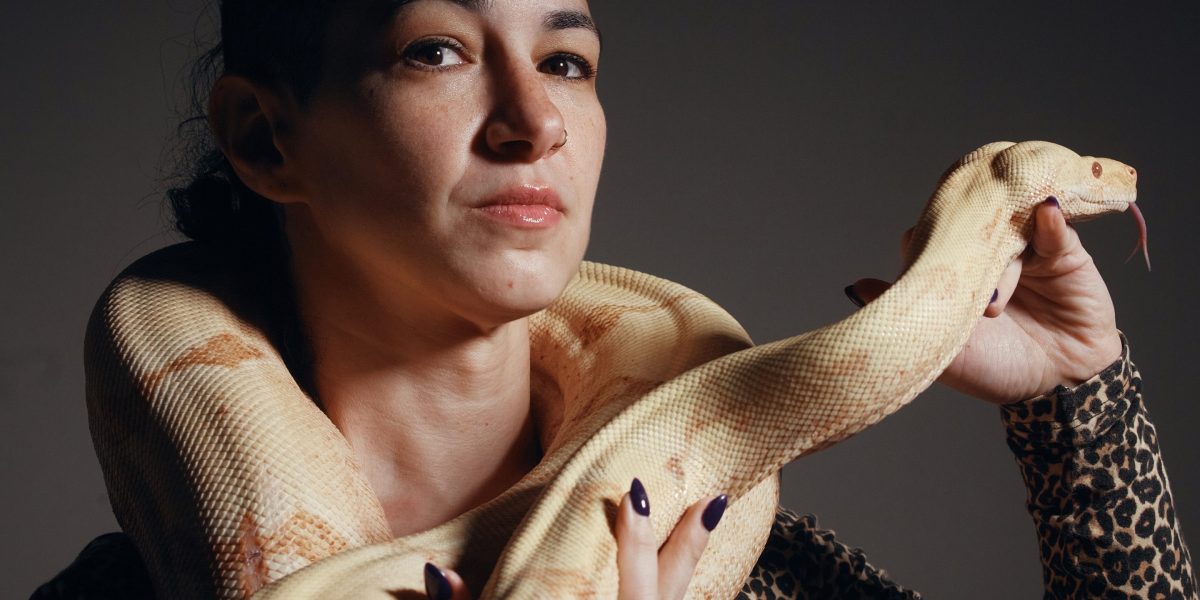
NEW YORK — The Metropolitan Opera has conducted formal auditions to select a live snake for an upcoming adaptation of a Mozart opera at its Lincoln Center venue in New York City, casting a reptile named Princess following an evaluation led by a former carnival performer turned operatic actor. The casting decision highlights the specialized preparations required when incorporating live exotic animals into classical performing arts productions, where acoustic environments, stage safety, and animal welfare must be carefully managed. The audition process was reported by The Associated Press.
Key facts
What happened
In preparation for an upcoming staging of an opera by Wolfgang Amadeus Mozart, the Metropolitan Opera in New York City organized a casting call specifically to evaluate live snakes. The audition process was overseen by a former carnival worker who now performs as an opera actor, bringing prior experience in handling unconventional stage talent and managing live show environments.
During the evaluation process, prospective snakes were presented to determine their suitability for the sensory conditions of the Metropolitan Opera House at Lincoln Center. Evaluators assessed how the animals handled physical handling, movement, and the general atmosphere of a major theatrical environment. Following the casting rounds, organizers selected a snake named Princess to proceed with rehearsals and stage integration for the forthcoming production.
Why it matters
The decision to feature a live animal on a major operatic stage involves complex safety, artistic, and regulatory considerations that go far beyond standard casting. At an institution like the Metropolitan Opera, stage managers must ensure the absolute physical safety of principal singers, chorus members, extra performers, stagehands, and musicians positioned in the open orchestra pit directly below the stage area.
Reptiles present distinct operational challenges compared to traditional stage props or domesticated mammalian performers. As cold-blooded creatures, snakes are exceptionally sensitive to ambient temperature, high-intensity stage lighting, floor vibrations, and acoustic volume levels. Unexpected movement or distress from a live animal during a live performance can disrupt dramatic timing, distract vocalists delivering complex operatic passages, or create safety hazards on sets equipped with trap doors, elevated platforms, and heavy moving scenery.
Furthermore, presenting live exotic animals in New York City requires strict compliance with municipal health codes, state regulations, and guidelines enforced by theatrical labor unions, including the American Guild of Musical Artists (AGMA) and Actors' Equity Association. By conducting formal auditions led by an experienced handler, the opera house seeks to minimize performance risks, ensure compliance with animal welfare standards, and maintain the professional consistency expected by Lincoln Center audiences.
The background
The inclusion of a serpent in a Mozart opera carries deep historical precedent within classical music repertoire. Wolfgang Amadeus Mozart’s famed 1791 Singspiel *Die Zauberflöte* (*The Magic Flute*), which premiered at the Freihaus-Theater auf der Wieden in Vienna shortly before the composer's death, famously opens with the hero Prince Tamino fleeing a giant serpent before being saved by three mysterious attendants. Over the past two centuries, opera directors worldwide have depicted the creature using a wide variety of techniques, ranging from mechanical puppets and fabric props to elaborate masks, digital projections, and occasionally live reptiles.
Founded in 1883, the Metropolitan Opera is the largest classical music organization in North America. Since relocating to its permanent venue at Lincoln Center for the Performing Arts in 1966, the 3,800-seat house has established a long tradition of mounting grand, large-scale productions that occasionally feature live animals. Historic Met stagings of Giuseppe Verdi’s *Aida*, Georges Bizet’s *Carmen*, and Giacomo Puccini’s *La Fanciulla del West* have regularly incorporated live horses, donkeys, or dogs onto the main stage.
In theatrical terminology, non-singing extras who appear on stage are known as "supernumeraries" or "supers." While human supers are routinely auditioned for stage posture, physical presence, and costume fit, animal supers require specialized handlers—often called wranglers—who understand animal behavior in high-sensory public spaces. Individuals transitioning from carnival or circus backgrounds into classical theater bring specialized expertise in managing animals under intense lighting, sound, and crowd conditions, bridging the gap between traditional entertainment and grand opera.
Reaction
While formal public statements from local regulatory bodies or animal advocacy organizations regarding Princess's casting were not detailed in initial reports, the use of live animals in theatrical productions routinely attracts close attention from advocacy groups such as People for the Ethical Treatment of Animals (PETA) and the American Humane Association. These organizations advocate for strict welfare standards, monitoring whether exotic species experience stress, improper temperature regulation, or unsafe handling during rehearsals and public shows.
Within the performing arts community, directors and stage designers remain divided on the artistic necessity of live animals versus synthetic alternatives. Proponents argue that genuine live elements add an element of immediate dramatic realism that grand spectacle demands. Conversely, critics and modern stage directors often favor mechanical, puppet, or video-based solutions, noting that synthetic alternatives provide consistent performance quality, reduce insurance liability, eliminate health department permitting hurdles, and avoid animal welfare concerns.
What we don't know yet
Several operational details concerning Princess's appearance at the Metropolitan Opera remain unconfirmed in the available reporting. Reports have not specified the precise title of the Mozart adaptation being staged, the opening performance date, or the total number of shows scheduled for the production's run. Additionally, details regarding Princess's specific species, length, age, and home facility have not been publicly disclosed by the opera house or production staff.
It also remains unclear what specific safety protocols or contingency arrangements are in place should Princess become uncooperative, unwell, or inactive during performance nights. Opera houses typically establish contingency procedures for live animal appearances, but whether an understudy snake or alternative prop mechanism has been designated for this specific production has not been reported.
What to watch
Key developments to follow as the production advances toward its official stage debut include:
This report is based on original news coverage published by The Associated Press and reported by David R. Martin and Jeffrey Collins.
How this story was produced
This report was written by The Global Wire newsroom from reporting first published by David R Martin; Jeffrey Collins; The Associated Press. We verify the core facts against the original report, write our own account, and add the background and consequences a short wire item leaves out. Drafting is AI-assisted inside an editor-supervised pipeline, and every story is checked for accuracy of attribution, structure and duplication before it appears — full detail in our AI and funding disclosure.
Spotted an error? Tell us at corrections@horizonglobalnews.com and read our corrections policy or editorial standards.





Reader comments
Loading comments…