

Meta Reportedly Developing Camera-Free Smart Glasses Following Public Privacy Concerns
Meta is reportedly working on a version of its smart glasses without integrated cameras, following persistent public pushback over privacy and unauthorized recording.
By The Global Wire Newsroom · Reported from Victor Tangermann
Link preview · horizonglobalnews.com
Meta Reportedly Developing Camera-Free Smart Glasses Following Public Privacy Concerns
Meta is reportedly working on a version of its smart glasses without integrated cameras, following persistent public pushback over privacy and unauthorized recording.
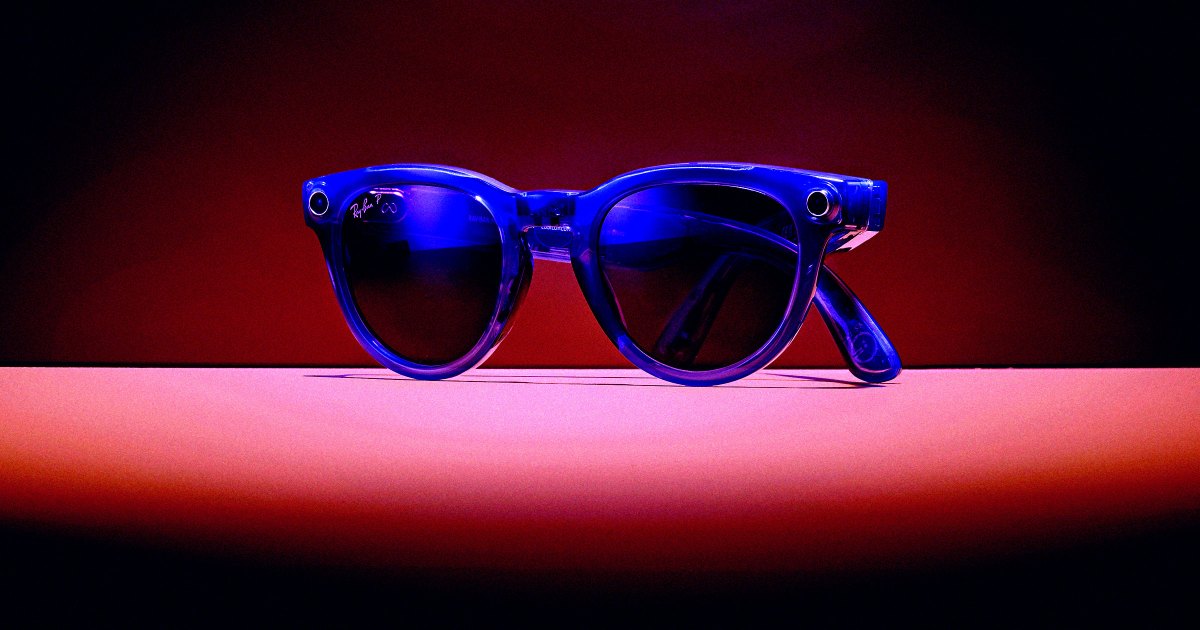
Meta Platforms Inc. is reportedly developing a new iteration of its smart glasses hardware that omits integrated cameras entirely, following persistent public backlash and privacy concerns surrounding image-capturing eyewear. According to reporting by Victor Tangermann published on Sept. 16, 2026, the social media giant's shift in hardware strategy comes as critics and privacy advocates express growing alarm over the potential for discreet surveillance and unauthorized recording in public spaces. The proposed camera-free model would mark a significant departure from Meta's current smart glasses lineup, which relies heavily on high-definition cameras to capture photos, record video, and feed visual data into the company's artificial intelligence assistant.
Key facts
What happened
According to reporting by Victor Tangermann, Meta has initiated work on a new model of smart glasses designed without integrated camera sensors. The development represents a notable pivot for the technology conglomerate, which has spent years centering its wearable hardware strategy around devices capable of recording real-time photo and video footage.
The reported product change follows widespread public criticism of camera-equipped smart glasses. Devices in Meta's existing wearable lineup feature outward-facing camera lenses mounted near the temples of the frame. While these cameras allow wearers to record video footage, capture photos, and query Meta's artificial intelligence assistant about their immediate surroundings, they have also drawn condemnation from privacy advocates, regulators, and members of the public who express discomfort with being recorded without explicit consent.
According to Tangermann's report, the intensity of public pushback has led Meta executives to explore hardware configurations that remove camera components altogether. By eliminating image sensors, the company appears to be targeting consumers and environments where recording devices are restricted or socially unacceptable, while retaining other core features such as built-in speakers, microphones, and audio-based artificial intelligence interaction.
Why it matters
The decision to develop a camera-free wearable represents a strategic recalibration for Meta in the competitive consumer hardware market. For years, major technology firms have framed wearable cameras as essential tools for context-aware computing, arguing that an artificial intelligence assistant needs to see what the user sees to provide relevant assistance. Stripping the camera component undermines one of Meta's primary selling points for its artificial intelligence ecosystem, forcing the company to rely solely on voice interaction and contextual metadata.
From a regulatory and societal standpoint, the move reflects the ongoing tension between consumer wearable technology and public privacy norms. Bystanders in public and private spaces have repeatedly raised concerns about hidden recording capabilities in everyday eyewear. By introducing a model without image sensors, Meta could expand its market reach to corporate environments, healthcare facilities, schools, and international jurisdictions where camera-equipped wearables face strict regulatory barriers or outright bans.
For the broader tech industry, Meta's reported pivot highlights the limits of consumer tolerance for ubiquitous visual recording. If a hardware giant as committed to wearable technology as Meta is forced to offer camera-free alternatives, competing hardware manufacturers may be compelled to reconsider their own product roadmaps for smart audio devices and augmented reality hardware.
The background
To understand Meta's reported pivot, it is necessary to examine the broader history of wearable camera technology and Meta's hardware investments. Technology companies have struggled for more than a decade to make camera-equipped smart glasses acceptable to the general public. Google LLC introduced Google Glass in 2013, but the product faced immediate public pushback due to surveillance fears, earning wearers pejorative nicknames and leading to bans in restaurants, theaters, and public venues. Google eventually pulled the consumer version from the market in 2015.
Meta entered the smart eyewear segment through a partnership with eyewear giant EssilorLuxottica, launching Ray-Ban Stories in September 2021. That initial iteration included dual 5-megapixel cameras and open-ear speakers. In October 2023, Meta released the second-generation Ray-Ban Meta smart glasses, upgrading the camera to 12 megapixels and integrating Meta AI, which allowed the software to process visual input captured by the user. To address privacy concerns, Meta embedded a small LED indicator light on the front of the frames that illuminates when recording is active.
However, critics argued that the LED indicator was insufficient to prevent covert filming, as the light could be covered or ignored in crowded settings. Privacy controversies intensified when researchers demonstrated how facial recognition software could be combined with smart glasses streams to instantly identify strangers in public. Meanwhile, Meta's hardware division, Reality Labs, has incurred tens of billions of dollars in operating losses since 2020 while attempting to establish a dominant position in augmented reality, virtual reality, and smart wearables. The reported development of a camera-free model suggests Meta is seeking ways to widen consumer adoption of its wearable platform while mitigating reputational and regulatory risks.
Reaction
Neither Meta nor its manufacturing partner EssilorLuxottica have formally confirmed the development of a camera-free smart glasses model in response to the reporting by Victor Tangermann. Meta typically does not comment on unannounced hardware prototypes or internal product roadmaps.
However, privacy advocacy organizations and digital rights groups have historically called for greater restrictions on wearable recording technology. Groups such as the Electronic Frontier Foundation and European privacy regulators have previously warned that head-mounted cameras erode expectations of privacy in shared public spaces. Consumer privacy advocates are expected to welcome the prospect of camera-less smart eyewear, while technical analysts will scrutinize whether a voice-only audio frame can maintain commercial viability against rival products like Amazon's Echo Frames or Bose Frames.
What we don't know yet
Significant technical and strategic details remain unconfirmed regarding Meta's reported camera-free smart glasses. It is currently unknown whether this device is intended to replace existing camera-equipped models or serve as a lower-cost, privacy-focused alternative alongside them. The reporting does not specify target release dates, pricing, frame styles, or hardware specifications such as battery life and processing capability.
Furthermore, it remains unclear how a camera-less model would affect Meta's artificial intelligence strategy. Because Meta AI on current smart glasses relies heavily on visual recognition features—such as identifying objects, reading signs, or translating text—a camera-free model would be restricted to audio-based interaction. It is unknown whether Meta plans to introduce alternative sensor technologies, such as improved motion tracking or proximity sensors, to compensate for the absence of optical camera hardware.
What to watch
Key developments will indicate whether Meta intends to bring a camera-free smart glasses product to market. Investors and industry observers will monitor Meta's annual Connect developer conference, where the company historically announces major hardware updates and Reality Labs initiatives. Statements from Meta Chief Executive Officer Mark Zuckerberg and Reality Labs executives during upcoming quarterly earnings calls could also provide insight into hardware capital expenditures and product segment strategy.
Additionally, regulatory actions from privacy authorities in the European Union and North America will be critical. If European data protection boards enforce stricter rules regarding public video capture by wearable devices, Meta may be forced to prioritize the rollout of camera-free variants in those regions. Finally, product announcements from hardware competitors like Apple, Google, and Amazon will signal whether the broader wearable industry is shifting toward audio-first smart glasses.
This report is based on reporting published by Victor Tangermann on Sept. 16, 2026. Contextual information regarding Meta's Reality Labs division, past Ray-Ban hardware releases, and historical smart glasses market trends was drawn from established public records.
How this story was produced
This report was written by The Global Wire newsroom from reporting first published by Victor Tangermann. We verify the core facts against the original report, write our own account, and add the background and consequences a short wire item leaves out. Drafting is AI-assisted inside an editor-supervised pipeline, and every story is checked for accuracy of attribution, structure and duplication before it appears — full detail in our AI and funding disclosure.
Spotted an error? Tell us at corrections@horizonglobalnews.com and read our corrections policy or editorial standards.





Reader comments
Loading comments…