

Humanitarian Groups Report 40 Percent Surge in French Police Violence at Channel Border
Charities urge accountability after reporting escalating physical force, tear gas use, and severe injuries among migrants attempting English Channel crossings.
By The Global Wire Newsroom · Reported from Bryony Gooch
Link preview · horizonglobalnews.com
Humanitarian Groups Report 40 Percent Surge in French Police Violence at Channel Border
Charities urge accountability after reporting escalating physical force, tear gas use, and severe injuries among migrants attempting English Channel crossings.
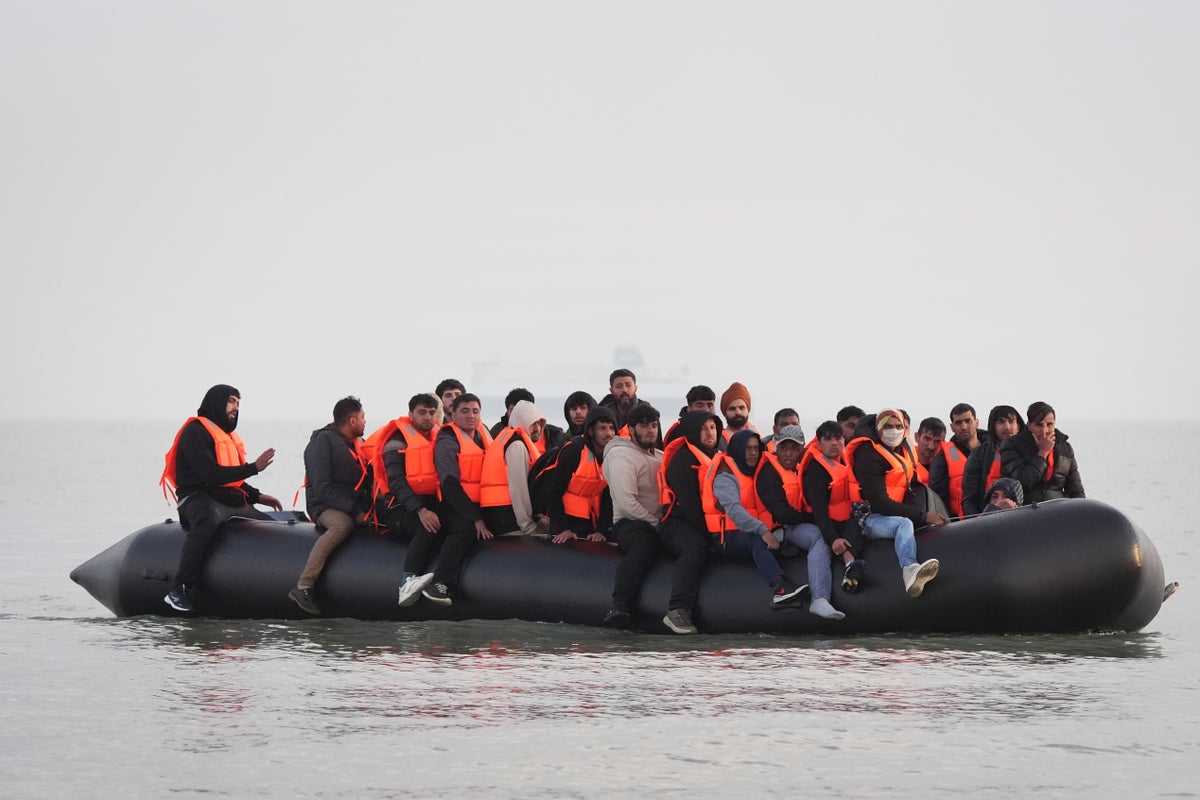
Humanitarian organisations operating along northern France's coastline have issued warnings regarding an escalation in police violence against migrants attempting to cross the English Channel, reporting a 40 percent surge in physical enforcement incidents. According to reporting by Bryony Gooch, advocacy groups working in refugee camps near Calais and Dunkirk state that aggressive police tactics have increasingly targeted vulnerable individuals, leaving women and children exposed to chemical irritants such as tear gas and sustaining severe physical injuries including broken bones. The reported rise in police force coincides with intensified bilateral efforts between London and Paris to intercept small boat departures before they enter British territorial waters.
Key facts
What happened
Aid workers providing medical care and emergency relief in encampments around Calais, Dunkirk, and neighboring coastal areas reported a marked intensification in police interventions. According to reporting by Bryony Gooch, charitable organizations monitoring northern France noted that physical encounters between law enforcement officers and individuals preparing to embark on Channel crossings have grown significantly more severe, resulting in a 40 percent rise in documented incidents of violence.
Field reports detailed by monitoring organizations indicate that law enforcement personnel have deployed crowd-control weapons, including tear gas, against groups waiting in dune areas and along beaches. Frontline workers reported treating individuals for chemical exposure as well as orthopedic injuries, such as broken bones, suffered during police dispersals and boat interdictions.
The physical actions reported by local relief organizations occurred primarily during night and early-morning operations when migrants assemble near the shoreline to launch inflatable craft. Frontline aid groups documented instances where law enforcement personnel directly confronted migrants at the water's edge, using physical force to puncture boats, seize equipment, and scatter groups attempting to board vessels. Humanitarian workers emphasize that among those subjected to these aggressive tactics were mothers, young children, and unaccompanied minors who reside in informal encampments in the department of Pas-de-Calais.
Why it matters
The reported increase in police violence along the northern French coastline highlights serious human rights concerns and complex legal challenges surrounding European border governance. For migrants and asylum seekers, the escalation in physical force increases the immediate physical danger of an already hazardous journey across the Dover Strait. The use of tear gas and heavy physical intervention at the water's edge creates high-risk situations, where panic, chemical blindness, and physical overcrowding in dark coastal areas significantly elevate the danger of accidental drowning or severe trauma.
From a public policy standpoint, the findings call into question the efficacy and oversight mechanisms of transnational policing arrangements. The British government has poured hundreds of millions of pounds into funding French police patrols, surveillance equipment, drones, and shoreline infrastructure under consecutive bilateral accords. If increased funding leads to systematically higher levels of violence against vulnerable populations without reducing the underlying drive to seek protection or economic opportunity, governments on both sides of the Channel face heightened scrutiny from international oversight bodies, non-governmental organizations, and parliamentary committees.
Furthermore, the involvement of women and minors in documented violence tests international obligations under the UN Convention on the Rights of the Child and the 1951 Refugee Convention, which mandate that states prioritize human life and non-refoulement while providing appropriate protection to displaced minors.
The background
The border between the United Kingdom and France operates under a unique legal arrangement known as "juxtaposed controls," established primarily through the 1991 Sangatte Protocol and formalized by the 2003 Treaty of Le Touquet. Under these agreements, British border controls are conducted on French soil—at ports like Calais and Dunkirk, as well as the Eurotunnel terminal in Coquelles—while French controls are situated in the UK. Historically, this system focused on preventing undocumented individuals from entering the UK via freight lorries, ferries, and high-speed trains.
However, as physical security at port terminals and rail hubs was progressively tightened over the past decade through barbed-wire fencing, heartbeat monitors, and thermal imaging, migration routes shifted toward small inflatable craft launching directly from coastal beaches. In response, the UK and France signed the Sandhurst Treaty in 2018, followed by subsequent bilateral funding packages in 2020, 2022, and 2023, committing hundreds of millions of euros to bolster French police presence along a 150-kilometer stretch of coastline.
French security forces deployed to the region include units of the Compagnies Républicaines de Sécurité (CRS) and the Gendarmerie Mobile, specialized riot police trained in crowd containment. Local municipal authorities in Pas-de-Calais and Nord have consistently maintained a stance against the formation of fixed migrant settlements, implementing policy measures that involve the routine clearance of tent encampments every 48 hours to deter long-term residency.
Advocacy groups have repeatedly alleged that aggressive clearing tactics, sleep deprivation, and the destruction of personal property like tents and sleeping bags constitute systemic harassment. The latest reporting builds upon years of documentation by local non-profit networks, such as Utopia 56, Human Rights Observers, and Médecins du Monde, which have monitored law enforcement practices along the northern coast.
Reaction
Humanitarian organizations and human rights observers operating in northern France have expressed deep alarm over the latest findings, calling for an immediate end to violent interdiction tactics and asking for independent monitoring of police behavior along the coastline. Relief groups emphasize that law enforcement actions targeting small boat launches must adhere to humanitarian standards and avoid putting human lives in jeopardy.
While specific statements from French municipal and national authorities regarding the 40 percent figure were not detailed in the original reporting by Bryony Gooch, French governmental authorities have historically defended coastal policing measures as necessary enforcement against illegal human trafficking networks. State officials in the Pas-de-Calais prefecture typically maintain that police personnel operate within the bounds of French law and act to prevent individuals from embarking on highly dangerous maritime journeys organized by criminal syndicates.
Human rights advocates and legal experts are expected to pressure both the UK Home Office and the French Ministry of the Interior to establish formal accountability frameworks, audit the use of bilateral funding, and investigate specific allegations of excessive force, particularly those involving minors and vulnerable individuals.
What we don't know yet
Several critical details regarding the escalating conflict along the Channel border remain unverified or omitted in the available reporting. First, the precise methodology and exact timeframe behind the 40 percent statistical increase reported by charities have not been fully disclosed. It remains unclear whether this metric compares month-over-month data, seasonal trends, or multi-year figures.
Second, the exact chain of command and police units involved in the specific incidents where tear gas and physical force resulted in broken bones have not been individually identified. It is not clear whether the reported violence stems from specific elite mobile units or broader operational orders issued by local prefectures.
Third, official casualty figures and independent medical documentation from French public hospitals or state authorities are not yet publicly available to corroborate the aid groups' field reports. Finally, it remains unknown whether any formal administrative or judicial investigations have been opened by French oversight bodies, such as the Inspectorate General of the National Police (IGPN), into the specific injuries highlighted by the charities.
What to watch
In the coming weeks and months, several key indicators will determine the trajectory of border enforcement and political responses across the Channel:
This report incorporates information originally reported by Bryony Gooch regarding charity warnings over police violence and injuries at the UK-France border.
How this story was produced
This report was written by The Global Wire newsroom from reporting first published by Bryony Gooch. We verify the core facts against the original report, write our own account, and add the background and consequences a short wire item leaves out. Drafting is AI-assisted inside an editor-supervised pipeline, and every story is checked for accuracy of attribution, structure and duplication before it appears — full detail in our AI and funding disclosure.
Spotted an error? Tell us at corrections@horizonglobalnews.com and read our corrections policy or editorial standards.



Reader comments
Loading comments…