

Y Chromosome Loss in Somatic Cells Emerges as Key Early Biomarker for Cancer Risk
Scientific reporting highlights how the age-related loss of the Y chromosome in human cells serves as an early indicator of malignancy and immune dysfunction.
By The Global Wire Newsroom · Reported from Mike McRae
Link preview · horizonglobalnews.com
Y Chromosome Loss in Somatic Cells Emerges as Key Early Biomarker for Cancer Risk
Scientific reporting highlights how the age-related loss of the Y chromosome in human cells serves as an early indicator of malignancy and immune dysfunction.
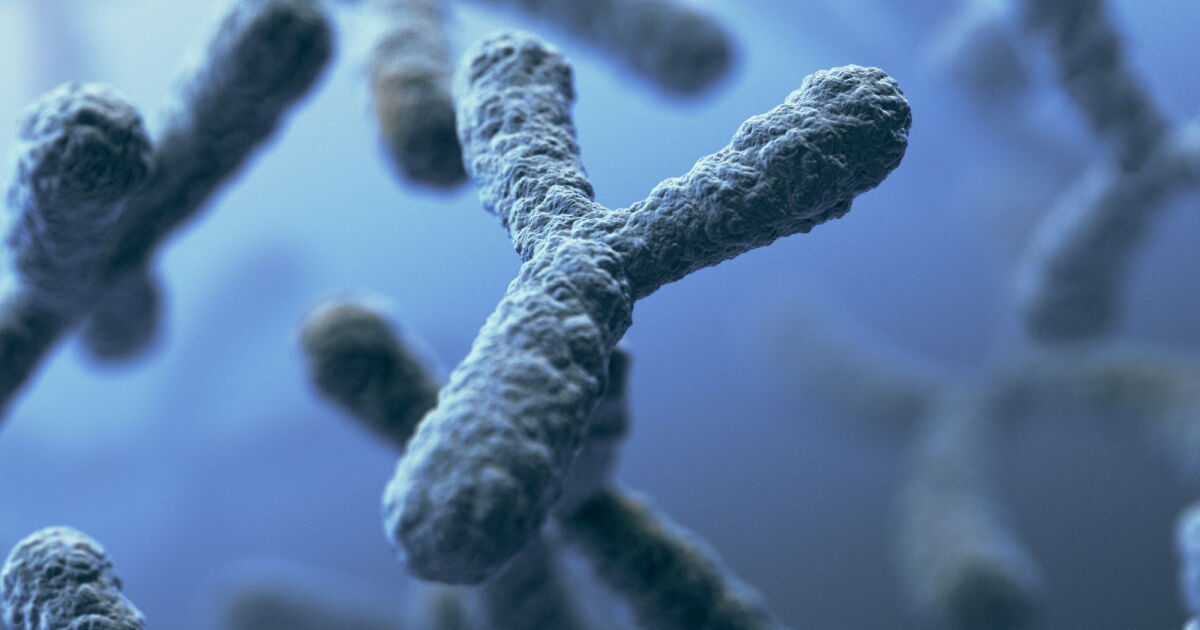
A reporting synthesis published by ScienceAlert writer Mike McRae on September 21, 2026, details growing scientific evidence that the loss of the Y chromosome in human somatic cells may serve as an early biological warning sign for cancer. Long viewed as a compact and relatively sparse component of the human genome compared to the far larger X chromosome, the Y chromosome has historically been underestimated in general cellular health. However, recent clinical and genetic observations indicate that loss of the Y chromosome in aging tissue—a phenomenon known in genomic medicine as mosaic loss of Y—is far from benign, offering critical insights into cellular instability, immune evasion, and the initial stages of oncogenesis.
Key facts
What happened
According to the account by Mike McRae, research into somatic genetic changes has elevated the status of the Y chromosome from a passive determinant of male sex traits to an active monitor of systemic health and cancer susceptibility. In somatic cell lineages, errors during cell division (mitosis) can result in daughter cells failing to inherit a Y chromosome, producing a 45,X cell population alongside standard 46,XY cells. Because the Y chromosome carries a smaller number of active genes than autosomal chromosomes or the X chromosome, cells lacking a Y chromosome often remain viable and continue to replicate.
This preservation of viability allows cells with loss of Y to accumulate over time, particularly within peripheral blood leukocytes. As reported by ScienceAlert, while individual cells lacking a Y chromosome might seem unburdened by the absence of its limited genetic sequence—much like a library losing a single thin pamphlet—the broader systemic consequence of this genetic loss is a heightened vulnerability to malignant transformation. The presence of Y-deficient cells in blood and tissue samples correlates with early-stage oncological processes, suggesting that loss of Y is an active marker of genomic instability and impaired immune surveillance rather than an irrelevant cellular defect.
Why it matters
The recognition of Y chromosome loss as a precursor or early indicator of cancer has immediate implications for preventative medicine, oncology diagnostics, and therapeutic design. Historically, diagnostic screening for cancer has relied on detecting physical mass lesions through medical imaging or identifying late-stage circulating tumor DNA. If loss of Y in peripheral blood cells functions as a herald for malignant development elsewhere in the body, routine genomic sequencing of blood samples could allow physicians to identify high-risk individuals years before solid tumors become clinically apparent.
Beyond early detection, loss of Y directly influences how tumors interact with the human immune system. In clinical oncology, tumors that have lost the Y chromosome exhibit unique immunological profiles. Research shows that Y-deficient tumor cells can alter their microenvironment to suppress local T-cell activity, effectively allowing the cancer to evade host immune responses. Paradoxically, this same mechanism makes certain Y-deficient cancers, such as aggressive bladder carcinomas, significantly more responsive to immune checkpoint inhibitor therapies, such as anti-PD-1 and anti-PD-L1 treatments. Understanding loss of Y thus provides clinicians with actionable criteria for personalizing cancer treatment strategies.
The background
Human cells typically contain 23 pairs of chromosomes, totaling 46 nuclear structures that house the human genome. Biological biological sex is generally determined by the combination of sex chromosomes, with 46,XX designating female development and 46,XY designating male development. The X chromosome is large, encompassing roughly 156 million base pairs and hosting more than 800 functional protein-coding genes essential for cellular metabolism, brain development, and structural integrity. In contrast, the Y chromosome spans approximately 57 million base pairs and contains fewer than 100 protein-coding genes.
Among the key functional units on the Y chromosome is the SRY gene, which initiates male gonadal differentiation during early embryonic development. Other regions, such as the azoospermia factor (AZF) regions, govern spermatogenesis, while genes like KDM5D and DDX3Y play ubiquitously expressed roles in histone demethylation and RNA translation across non-reproductive tissues. At the tips of the Y chromosome lie the pseudoautosomal regions (PAR1 and PAR2), which maintain homology with the X chromosome and permit pairing during meiosis.
Over the past decade, large population biobanks—including the UK Biobank and Scandinavian longitudinal cohorts—have allowed researchers to study mosaic loss of Y across tens of thousands of individuals. These studies revealed that mosaic loss of Y increases exponentially with age, becoming the most frequent acquired mutation in human blood. Further epidemiological work identified tobacco smoking as a key catalyst, increasing the prevalence of Y-deficient blood cells by several fold in current smokers compared to non-smokers. Notably, smoking cessation leads to a gradual normalization of blood cell profiles, demonstrating that environmental exposures directly govern the stability of sex chromosome inheritance in adult tissues.
Reaction
The synthesis reported by Mike McRae aligns with ongoing efforts across the scientific and medical communities to re-evaluate the clinical utility of sex-specific genetic markers. Medical researchers and oncologists are increasingly advocating for the inclusion of mosaic loss of Y measurements in comprehensive geriatric and oncological risk assessments. Professional bodies in human genetics and clinical oncology are expected to evaluate whether evaluating loss of Y in routine liquid biopsy panels can improve stratifications for age-related health outcomes.
Public health experts are also anticipated to leverage these findings in preventative medicine campaigns. By establishing a direct, observable connection between environmental stressors like smoking and immediate chromosomal loss in circulating blood cells, health agencies have a clearer molecular framework to communicate the cellular risks of toxin exposure. Diagnostic developers are similarly expected to respond by engineering low-cost assays specifically designed to quantify the percentage of Y-less leukocytes in routine blood work.
What we don't know yet
Despite clear observational links between Y chromosome loss and cancer, critical mechanistic gaps remain. It is not yet fully established whether mosaic loss of Y in blood cells directly drives tumorigenesis in distant organs by weakening systemic immune surveillance, or whether loss of Y simply serves as an indirect marker of generalized genomic instability caused by aging and environmental stress. Establishing a direct causal chain is essential for determining whether therapies should target Y-deficient cell populations specifically.
Additionally, researchers have not yet defined uniform clinical thresholds for loss of Y quantification. It remains uncertain what specific proportion of Y-deficient leukocytes signifies a critical transition from benign age-related mosaicism to active cancer risk. Further research is also needed to determine whether loss of Y manifests identically across diverse ethnic populations, or whether specific genetic backgrounds confer protection against somatic chromosome loss.
What to watch
Key developments to follow include the publication of results from ongoing multi-center clinical trials evaluating multi-cancer early detection blood tests that incorporate mosaic chromosomal loss metrics. Peer-reviewed studies tracking long-term outcomes in cohorts of aging men will provide clearer risk ratios for specific cancer types, including prostate, lung, and gastrointestinal malignancies.
In addition, upcoming annual meetings of major medical organizations, such as the American Association for Cancer Research and the American Society of Clinical Oncology, are expected to feature presentations on functional genomic assays probing Y-chromosome loss. Regulatory decisions regarding the validation of liquid biopsy diagnostic panels that measure sex-chromosome loss will also serve as vital indicators of how rapidly this genetic insight transitions into standardized clinical practice.
This report is based on scientific summary and analysis published by ScienceAlert writer Mike McRae.
How this story was produced
This report was written by The Global Wire newsroom from reporting first published by Mike McRae. We verify the core facts against the original report, write our own account, and add the background and consequences a short wire item leaves out. Drafting is AI-assisted inside an editor-supervised pipeline, and every story is checked for accuracy of attribution, structure and duplication before it appears — full detail in our AI and funding disclosure.
Spotted an error? Tell us at corrections@horizonglobalnews.com and read our corrections policy or editorial standards.





Reader comments
Loading comments…