

Toyota 4x4 Mini-RV Recognized as Standout Highlight at Düsseldorf Caravan Salon
A compact four-wheel-drive Toyota camper vehicle earned top recognition at Germany's premier recreational mobility trade fair, reflecting shifting consumer demand toward small off-road RVs.
By The Global Wire Newsroom · Reported from C C Weiss
Link preview · horizonglobalnews.com
Toyota 4x4 Mini-RV Recognized as Standout Highlight at Düsseldorf Caravan Salon
A compact four-wheel-drive Toyota camper vehicle earned top recognition at Germany's premier recreational mobility trade fair, reflecting shifting consumer demand toward small off-road RVs.
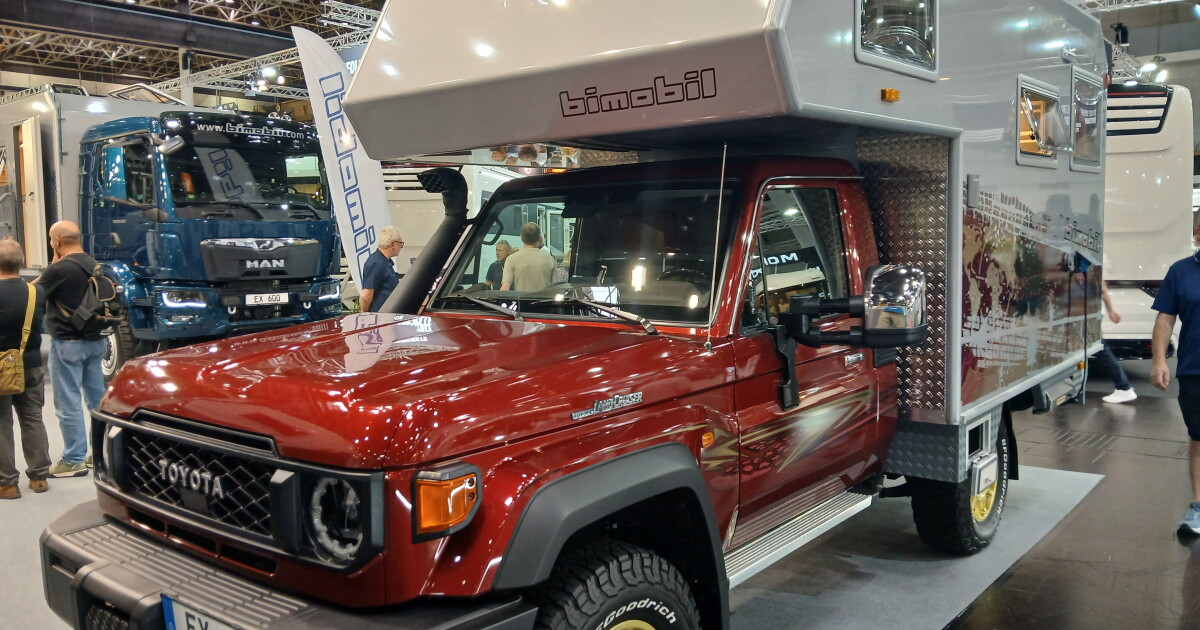
A compact four-wheel-drive Toyota camper vehicle captured standout recognition at the annual Düsseldorf Caravan Salon in Germany, according to reporting published on September 20, 2026, by automotive and outdoor mobility writer C C Weiss. Held at the Messe Düsseldorf trade fair complex toward the conclusion of the summer season, the international exhibition brought together thousands of outdoor recreation vehicles, spanning ultra-lightweight towable trailers, vintage restored camper vans, experimental conceptual prototypes, and multi-axle heavy expedition trucks. The recognition of a Toyota-based mini-RV highlights the growing prominence of small-footprint, off-road capable motorhomes within the global recreational vehicle industry.
Key facts
What happened
During the late-summer 2026 edition of the Düsseldorf Caravan Salon, industry observers and trade attendees gathered to review the latest innovations across the camping and leisure vehicle sectors. As reported by C C Weiss on September 20, 2026, a four-wheel-drive Toyota mini-camper stood out among the hundreds of vehicles on display, earning distinction as one of the premier highlights of the show.
The vehicle featured at the trade fair combines a compact four-wheel-drive chassis with a specialized camper conversion designed for remote off-road travel and efficient interior space utilization. Displays at the Düsseldorf show typically range from small towable tear-drop trailers to multi-ton, custom-built all-wheel-drive expedition vehicles designed for transcontinental travel. Within this wide-ranging field, the Toyota 4x4 mini-RV drew attention for integrating all-terrain mechanical systems into a manageable vehicle size suitable for both tight rural trails and standard municipal parking infrastructure.
Trade shows such as the Düsseldorf Caravan Salon serve as the primary global platform for vehicle manufacturers, independent coachbuilders, and component suppliers to present new production models, concept designs, and aftermarket camper conversions to both commercial buyers and retail consumers. The spotlighting of the Toyota-based platform at the 2026 event underscores how major auto manufacturers and specialized conversion companies are increasingly collaborating or building upon durable Japanese 4x4 chassis to satisfy demand for compact, multi-terrain camping vehicles.
Why it matters
The spotlight on a compact four-wheel-drive Toyota RV reflects broader structural shifts in consumer preferences and vehicle engineering across the recreational vehicle sector. Historically, the European and North American motorhome markets were dominated by larger Class A and Class C motorhomes built on commercial van or heavy truck chassis. However, demographic shifts, economic pressures, and changing travel habits have fueled substantial growth in the compact camper van and micro-RV categories.
For consumers, compact 4x4 mini-RVs offer several operational advantages over traditional large motorhomes. Smaller vehicles are significantly easier to maneuver through narrow European mountain passes, historic city centers, and constricted off-road trails. They also generally offer lower fuel consumption, reduced highway toll charges, and lower shipping costs for international overland transport. Furthermore, four-wheel-drive capability allows campers to access remote public lands, unpaved forest tracks, and rugged beach sites that remain inaccessible to standard front-wheel-drive or rear-wheel-drive camper vans.
From an industry perspective, the popularity of Toyota-based camper conversions demonstrates the enduring value of proven Japanese mechanical reliability in the expedition and overland market segments. Builders who utilize Toyota platforms benefit from worldwide spare parts availability, established off-road capability, and strong residual values. As environmental regulations tighten and urban access restrictions expand across major European municipalities, smaller self-contained vehicles capable of dual use as daily commuters and weekend adventure rigs represent a highly resilient market segment for RV manufacturers navigating evolving regulatory landscapes.
The background
The Düsseldorf Caravan Salon, held annually at the Messe Düsseldorf exhibition center in Germany, is widely recognized as the world's largest trade fair for motorhomes, camper vans, and camping equipment. First launched in Essen in 1962 before relocating to Düsseldorf in 1994, the event routinely attracts more than 250,000 visitors and over 700 international exhibitors across more than 200,000 square meters of exhibition hall space. It serves as the definitive annual benchmark for European outdoor leisure trends and vehicle design.
Toyota has a long historical association with off-road camper vehicles and rugged utility platforms dating back several decades. Vehicles such as the Toyota Land Cruiser 70, 80, 100, and 200 Series, as well as the Toyota Hilux pickup truck and HiAce commercial van, have served as base vehicles for third-party expedition builds and camper conversions across Europe, Australia, Japan, and Africa. In Japan, the compact "Kei" camper and micro-RV movements have flourished for years, driven by tight urban space constraints and strict vehicle size regulations. That design ethos has increasingly influenced European camper conversion specialists, who adapt micro-bus and light commercial platforms into fully featured mobile living quarters.
In recent years, the European RV market has experienced unprecedented demand following shifts in post-pandemic leisure travel, with consumers seeking self-contained, flexible vacation options. This demand has coincided with a surge in the "overlanding" trend, where travelers prioritize off-grid capability and remote camping over traditional resort infrastructure. As a result, four-wheel-drive vehicle conversions that incorporate pop-top roofs, modular kitchenette units, integrated solar power systems, and all-terrain suspension systems have transitioned from niche custom builds into prominent commercial product offerings presented at major trade venues like Düsseldorf.
Reaction
Industry observers, outdoor recreation journalists, and trade attendees at the Düsseldorf Caravan Salon reacted with strong interest to the four-wheel-drive Toyota mini-RV highlight. According to the account by C C Weiss published on September 20, 2026, the vehicle stood out as a standout achievement of the exhibition, drawing praise for its balance of off-road utility and compact living accommodations.
While trade show attendees and media representatives voiced enthusiasm for the design, formal commercial responses from regional vehicle distributors, independent conversion partners, and consumer enthusiast groups will depend on published production schedules and retail pricing announcements. Specialized overland vehicle builders and competitive RV manufacturers in Europe are expected to evaluate the platform's reception closely as they finalize their own upcoming product lineups for subsequent model years.
What we don't know yet
While the initial report by C C Weiss established the Toyota 4x4 mini-RV as a premier showcase item at the Düsseldorf Caravan Salon, several critical technical and commercial details remain unconfirmed in the available reporting:
What to watch
In the aftermath of the Düsseldorf Caravan Salon, several key milestones and industry indicators will determine the commercial trajectory of the Toyota 4x4 mini-RV:
This report is based on original news coverage by journalist C C Weiss, published on September 20, 2026.
How this story was produced
This report was written by The Global Wire newsroom from reporting first published by C C Weiss. We verify the core facts against the original report, write our own account, and add the background and consequences a short wire item leaves out. Drafting is AI-assisted inside an editor-supervised pipeline, and every story is checked for accuracy of attribution, structure and duplication before it appears — full detail in our AI and funding disclosure.
Spotted an error? Tell us at corrections@horizonglobalnews.com and read our corrections policy or editorial standards.





Reader comments
Loading comments…