

Venezuelan Leader Prepares In-Person UN Speech Following High-Level Meeting With Trump
Venezuela’s head of state will address the UN General Assembly in New York for the first time in eight years, marking a dramatic diplomatic shift after a warm encounter with Donald Trump.
By The Global Wire Newsroom · Reported from Julie Turkewitz
Link preview · horizonglobalnews.com
Venezuelan Leader Prepares In-Person UN Speech Following High-Level Meeting With Trump
Venezuela’s head of state will address the UN General Assembly in New York for the first time in eight years, marking a dramatic diplomatic shift after a warm encounter with Donald Trump.
On September 23, 2026, the leader of Venezuela prepared to address the United Nations General Assembly in New York City, marking the first time in eight years that a Venezuelan head of state has delivered a speech in person to the global assembly. The scheduled address follows a cordial diplomatic meeting with U.S. President Donald Trump, signaling a sharp pivot in relations between Washington and Caracas and a departure from the confrontational posture maintained by previous Venezuelan administrations.
Key facts
What happened
Venezuela’s head of state arrived in New York to address the United Nations General Assembly during its annual high-level general debate on September 23, 2026. Her speech marks the first time since 2018 that a Venezuelan head of state has addressed the assembly in person, as reported by Julie Turkewitz.
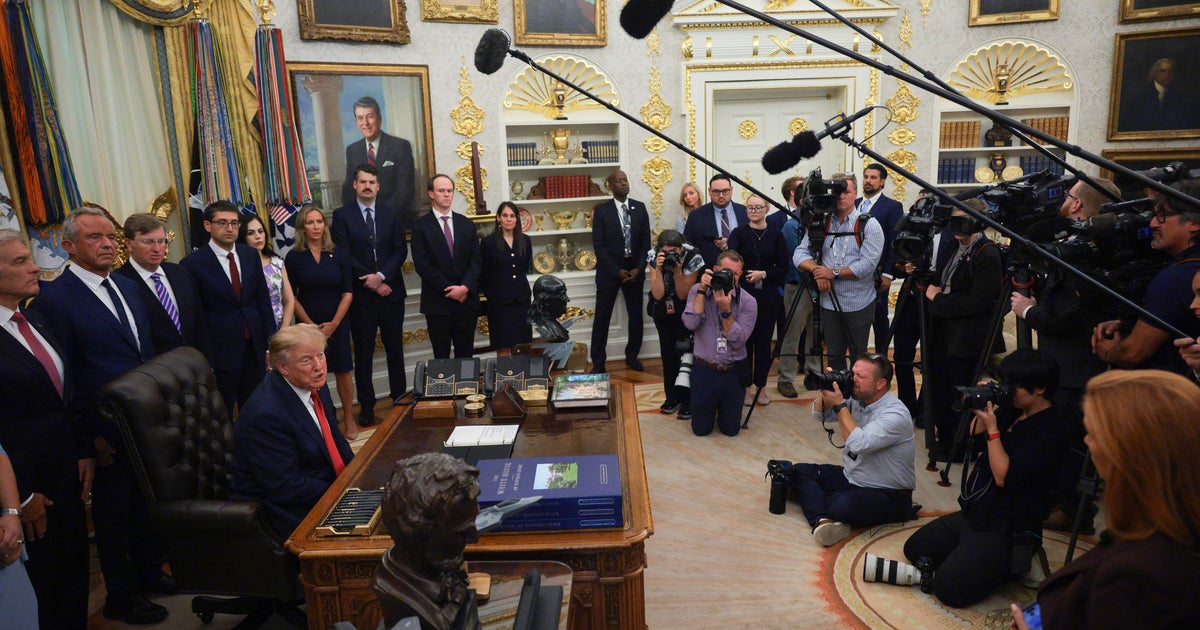
Prior to taking the podium at UN Headquarters, the Venezuelan leader held a warm meeting with U.S. President Donald Trump. The encounter highlights a rapid thaw in relations between Washington and Caracas, contrasting with years of strained diplomatic ties, severed embassy relations, and extensive economic sanctions imposed by the United States.
Diplomats and international observers expect the upcoming speech to sound fundamentally different from those delivered by recent Venezuelan presidents. Past addresses by Venezuelan leadership focused heavily on criticizing American foreign policy, denouncing global capitalism, and emphasizing strategic alignments with non-Western powers. The current leader’s presence in New York signals a diplomatic turn aimed at re-engaging with international organizations and Western governments.
Why it matters
The diplomatic engagement between Washington and Caracas, combined with Venezuela's renewed participation at the UN, carries broad implications for global energy markets, regional migration, and Western Hemisphere diplomacy.
Venezuela holds the world’s largest proven oil reserves, estimated at over 300 billion barrels. U.S. sanctions targeting state oil company Petróleos de Venezuela, S.A. (PDVSA) severely curtailed international investment and forced crude exports toward non-Western buyers. A sustained diplomatic opening between the White House and Caracas could create conditions for expanded energy trade, foreign investment, and adjustments to U.S. Treasury Department sanction licenses.
Regionally, economic hardship in Venezuela has led to the departure of more than 7.7 million migrants and refugees since 2014, according to United Nations High Commissioner for Refugees (UNHCR) data. This displacement has affected host nations across Latin America, including Colombia, Peru, and Brazil, while contributing to migration flows toward the United States. Re-establishing regular diplomatic channels could enable improved cooperation on regional migration management, border security, and economic assistance.
Geopolitically, a constructive stance from Caracas challenges the decade-long alignment of Venezuela with adversaries of Washington, including Russia, China, and Iran. A pragmatic foreign policy from Venezuela could reshape diplomatic dynamics across Latin America and alter voting patterns within multilateral bodies like the UN.
The background
Relations between Washington and Caracas have undergone significant disruption over the past quarter-century. Following the 1998 election of Hugo Chávez, Venezuela pursued the Bolivarian Revolution, nationalizing key industrial sectors, expanding social programs, and building an anti-imperialist foreign policy bloc.
Chávez frequently utilized the UN General Assembly to challenge U.S. global influence. During the 61st Session of the General Assembly in September 2006, Chávez delivered a famous speech calling U.S. President George W. Bush "the devil" and claiming the podium still smelled of sulfur. That address defined Venezuela’s international posture for years as an unyielding critic of Washington.
After Chávez died in March 2013, Nicolás Maduro assumed the presidency. Maduro’s tenure was marked by severe economic contraction, hyperinflation, and food shortages. In response, the U.S. government under President Donald Trump’s first administration (2017–2021) imposed strict financial sanctions in 2017, followed by sectoral sanctions on PDVSA in January 2019. Washington subsequently broke diplomatic relations with Maduro's government in February 2019, recognizing opposition figure Juan Guaidó as interim president alongside more than 50 allied nations.
Maduro last spoke in person at the UN General Assembly in September 2018, defending his government against foreign pressure and criticizing Western sanctions. In subsequent years, Venezuela was represented at the UN by lower-level officials or pre-recorded video messages amid deepened international isolation.
The return of Venezuela’s head of state to the UN rostrum in September 2026, following her warm meeting with President Trump, marks a decisive departure from the political style and isolation of prior years.
Reaction
The meeting between President Trump and the Venezuelan leader, along with her UN appearance, has generated varied responses across the international political spectrum.
In Venezuela, supporters of the administration view the diplomatic engagement as a crucial step toward restoring normal international relations, relieving economic isolation, and reintegrating the nation into global trade. Opponents and human rights advocacy groups urge caution, calling on international leaders to condition diplomatic warmth on democratic reforms, electoral transparency, and human rights guarantees.
In Washington, reaction among lawmakers is split. Proponents of diplomatic pragmatic engagement argue that working directly with Caracas is necessary to secure energy stability, address regional migration, and counter foreign influence in Latin America. Critics caution against easing pressure without concrete structural changes in Venezuelan governance.
Regional governments in Latin America have monitored the developments closely. Leaders in Colombia and Brazil have long advocated for dialogue and economic stability in Venezuela to relieve refugee pressure and restore cross-border commerce.
At the United Nations, international delegates welcomed the return of Venezuela's head of state to in-person proceedings, framing it as a positive step for multilateral diplomacy.
What we don't know yet
Several key aspects of the agreement and broader policy changes remain unverified:
What to watch
Key indicators in the coming weeks will reveal the direction of Washington-Caracas relations:
Reporting for this account is based on original reporting by Julie Turkewitz.
How this story was produced
This report was written by The Global Wire newsroom from reporting first published by Julie Turkewitz. We verify the core facts against the original report, write our own account, and add the background and consequences a short wire item leaves out. Drafting is AI-assisted inside an editor-supervised pipeline, and every story is checked for accuracy of attribution, structure and duplication before it appears — full detail in our AI and funding disclosure.
Spotted an error? Tell us at corrections@horizonglobalnews.com and read our corrections policy or editorial standards.

Reader comments
Loading comments…