

US Imposes Sanctions on International Criminal Court Leadership Over Gaza Probe
The United States has targeted ICC President Tomoko Akane and Prosecutor Abdoulaye Seye following inquiries into Israeli conduct in Gaza, according to reporting by Andrew Roth.
By The Global Wire Newsroom · Reported from Andrew Roth
Link preview · horizonglobalnews.com
US Imposes Sanctions on International Criminal Court Leadership Over Gaza Probe
The United States has targeted ICC President Tomoko Akane and Prosecutor Abdoulaye Seye following inquiries into Israeli conduct in Gaza, according to reporting by Andrew Roth.
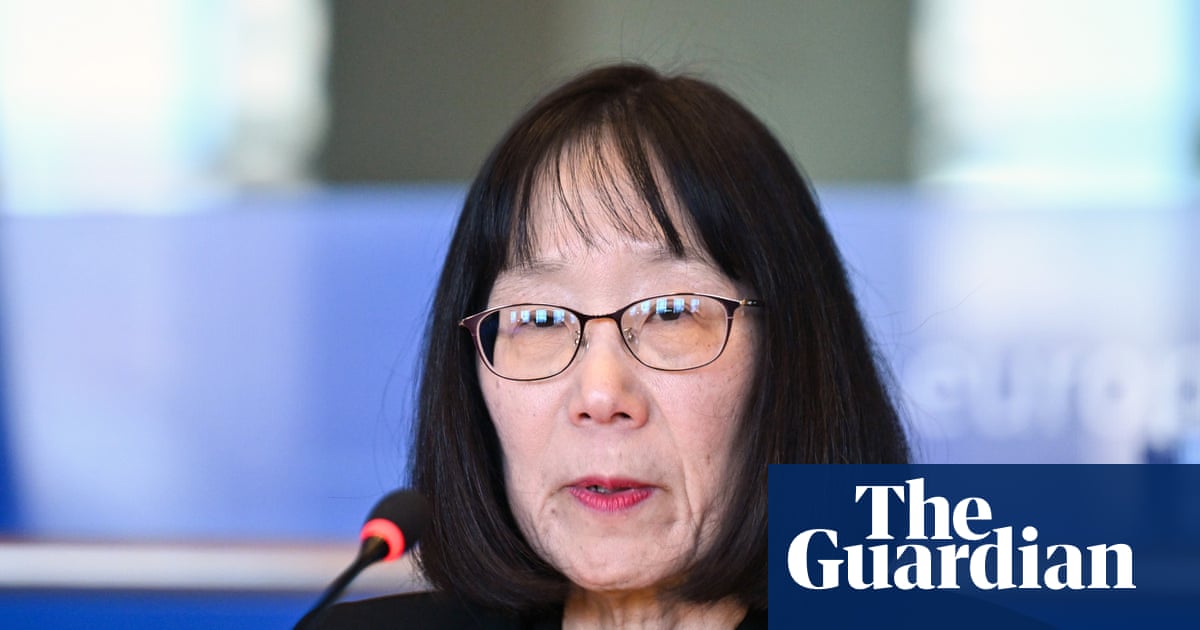
The United States has declared punitive sanctions against the president of the International Criminal Court and a key prosecutor overseeing investigations into military conduct in the Middle East, according to reporting by Andrew Roth. The measures, announced by Marco Rubio, target ICC President Tomoko Akane and prosecutor Abdoulaye Seye. Seye has been leading an official investigation into alleged war crimes committed by Israel in Gaza, bringing the tribunal into direct confrontation with Washington.
Measures Targeted at Court Leadership
The announcement signifies a sharp move by Washington against the judicial leadership of the tribunal based in The Hague. By targeting Akane, who leads the court's administrative and judicial presidency, along with Seye, a prominent prosecutor within the Office of the Prosecutor, the United States is deploying economic and logistical restrictions against international judicial officers. According to reporting by Andrew Roth, the core of the dispute centers on the court's active inquiries into actions taken during the armed conflict in Gaza.
Sanctions imposed by the United States against international officials typically involve restrictions on financial assets subject to US jurisdiction, as well as travel bans that prevent targeted individuals from entering the country. These actions represent a direct attempt to apply regulatory pressure to the tribunal's core administrative and legal officers.
The Mandate and Scope of the Gaza Inquiry
The investigation led by Seye focuses on evaluating potential violations of international humanitarian law and statutory war crimes committed in the course of military operations in Gaza. The ICC, established under the Rome Statute, operates to prosecute individuals accused of the most serious crimes of international concern, including war crimes, crimes against humanity, genocide, and the crime of aggression. When state authorities are deemed unable or unwilling to carry out genuine domestic investigations—a core legal principle known as complementarity—the court exercises its jurisdiction to pursue accountability.
In the case of Gaza, the tribunal's prosecution has sought to examine military conduct, civilian casualties, destruction of infrastructure, and access to humanitarian relief during the fighting. The decision to include top prosecutors like Seye under US sanction programs underscores the highly contentious nature of international legal scrutiny over high-intensity military operations involving allies of the United States.
History of Washington's Opposition to the ICC
The imposition of sanctions against ICC leadership represents a continuation of a long-standing political and legal stance maintained by successive US administrations. The United States signed the treaty establishing the ICC in 2000 but never ratified it, eventually informing the United Nations in 2002 that it did not intend to become a state party to the tribunal.
The fundamental friction stems from the question of jurisdiction. Washington has consistently argued that the ICC cannot exercise legal authority over nationals of countries that have not ratified the Rome Statute, such as the United States and Israel. This jurisdictional objection has historically intensified whenever the court has opened inquiries into military operations conducted by non-member states or their partners. In previous years, Washington enacted legislative frameworks to limit cooperation with the court and shield US personnel and allied troops from Hague-based prosecutions.
Judicial Independence and Institutional Operations
The sanctioning of Akane and Seye poses immediate operational challenges for the International Criminal Court. Akane, serving as president, is responsible for the overall administration of the court, judicial management, and representing the institution on the international stage. Sanctioning the head of the court, alongside a primary prosecutor handling sensitive Middle Eastern portfolios, creates logistical constraints that can affect financial operations, official travel, and interactions with global financial networks.
Legal scholars and international observers frequently point out that sanctioning judicial personnel risks undermining the independence of the international judiciary. The ICC relies heavily on the cooperation of its member states to enforce arrest warrants, provide operational access, and ensure annual funding. Measures taken by a major global power like the United States highlight the structural vulnerability of international tribunals when operating without broad political consensus.
Diplomatic and Geopolitical Reverberations
The move announced by Rubio reflects broader diplomatic divisions concerning international justice and national sovereignty. While the US maintains that foreign courts should not hold authority over sovereign nations without explicit consent, many European allies and other signatory nations view the ICC as a vital cornerstone of post-World War II international legal framework.
The application of economic sanctions against tribunal officials creates diplomatic friction with European partners, nearly all of whom are state parties to the Rome Statute and bound by treaty obligations to support the court's functions. The divergence in policy underscores competing views of international order: one grounded in sovereign exemption for non-signatory nations, and another advocating universal accountability through multilateral bodies.
Future Prospects for the Hague Tribunal
As the sanctions take effect, the International Criminal Court faces a complex legal and diplomatic environment. The court's leadership must balance its mandate to investigate reported violations of international law against severe external political pressure from global powers.
Whether the tribunal will adjust its investigative timelines or operational procedures remains to be seen. However, official proceedings at The Hague typically continue despite external political measures, as prosecutors and judges remain bound by the provisions of the Rome Statute. The ongoing tension between US policy and ICC investigations into Gaza highlights the persistent challenge of enforcing international law within a divided geopolitical landscape.
Reporting for this article was originally conducted by Andrew Roth.
How this story was produced
This report was written by The Global Wire newsroom from reporting first published by Andrew Roth. We verify the core facts against the original report, write our own account, and add the background and consequences a short wire item leaves out. Drafting is AI-assisted inside an editor-supervised pipeline, and every story is checked for accuracy of attribution, structure and duplication before it appears — full detail in our AI and funding disclosure.
Spotted an error? Tell us at corrections@horizonglobalnews.com and read our corrections policy or editorial standards.


Reader comments
Loading comments…