

Stanford Researchers Electrify Cement Production with Ultra-High-Temperature Plasma Process
Stanford University scientists have synthesized low-carbon cement at 4,352 degrees Fahrenheit using electric plasma, accelerating production nearly 100-fold while curbing energy waste.
By The Global Wire Newsroom · Reported from Georgina Jedikovska
Link preview · horizonglobalnews.com
Stanford Researchers Electrify Cement Production with Ultra-High-Temperature Plasma Process
Stanford University scientists have synthesized low-carbon cement at 4,352 degrees Fahrenheit using electric plasma, accelerating production nearly 100-fold while curbing energy waste.
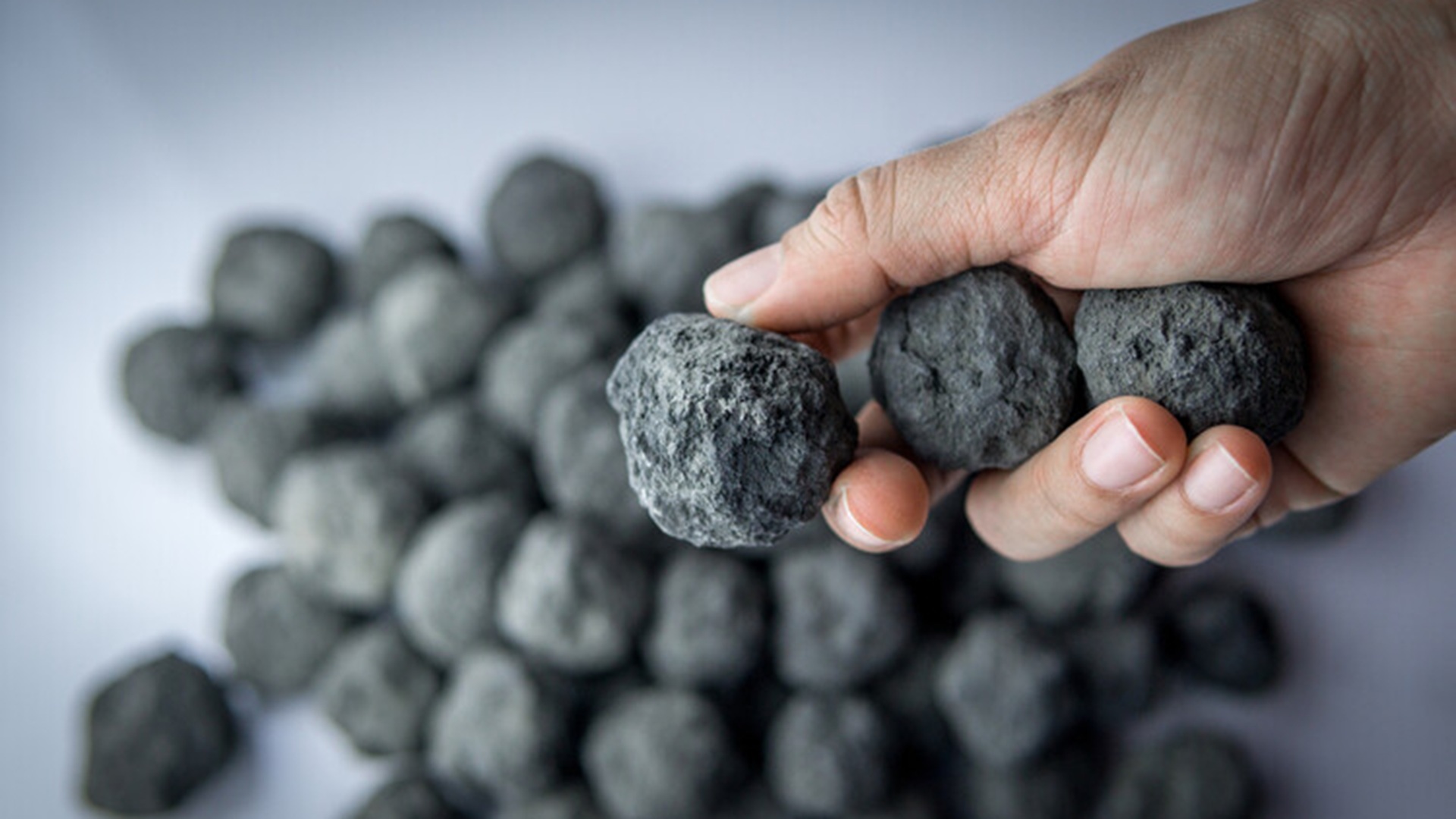
Stanford University engineers have developed a novel synthesis technique that uses electric plasma generated at 4,352 degrees Fahrenheit (2,400 degrees Celsius) to manufacture low-carbon cement nearly 100 times faster than conventional industrial methods, according to reporting by Georgina Jedikovska published on August 27, 2026. The high-temperature electrical process significantly reduces thermal energy waste while opening a potential pathway toward decarbonizing one of the world's most stubborn sources of industrial greenhouse gas emissions. By substituting fossil-fuel combustion with high-density plasma discharge, the experimental process addresses both the thermal inefficiencies of heavy industrial kilns and the carbon intensity of standard cement manufacturing.
Key facts
What happened
In a significant laboratory advance reported by Georgina Jedikovska on August 27, 2026, researchers at Stanford University demonstrated that ultra-high-temperature electric plasma can process raw cement precursor materials in seconds. The research team generated an ionized gas stream reaching 4,352 degrees Fahrenheit (2,400 degrees Celsius), subjecting mineral compounds to intense thermal energy within a concentrated reaction zone.
Traditional cement production relies on massive rotary kilns heated by burning pulverized coal, petroleum coke, or natural gas. These industrial kilns heat raw meal—primarily limestone, clay, silica, and iron ore—to temperatures around 2,640 degrees Fahrenheit (1,450 degrees Celsius). Because conventional kilns transfer heat gradually through convection and radiation across long physical structures, raw materials must dwell inside the furnace for extended periods to undergo necessary chemical phase transitions.
The Stanford experiment fundamentally alters this thermodynamic dynamic. By directing an electric plasma arc directly at the mineral inputs, the system delivers precise, intense thermal energy almost instantaneously. The extreme heat of 4,352 degrees Fahrenheit accelerates the chemical reactions required to form reactive hydraulic phases, compressing a process that typically requires tens of minutes or hours into a matter of seconds.
Crucially, the electrified plasma technique dramatically cuts thermal waste. Standard rotary kilns suffer from substantial heat loss through exhaust gases, radiation from uninsulated furnace walls, and cooling phases. The Stanford system confines the ultra-high thermal energy to a localized plasma zone, ensuring that a far higher fraction of input electricity directly drives the mineral transformation rather than dissipating into the surrounding environment.
Why it matters
The industrial synthesis of cement represents one of the single largest hurdles in global climate mitigation strategy. Concrete, formed by mixing cement binder with water, sand, and gravel, is the second most consumed substance on Earth after water. Global annual production of cement exceeds 4 billion metric tons, generating approximately 8 percent of all human-caused carbon dioxide emissions worldwide. To meet international climate goals established under the Paris Agreement, emissions from heavy industry must plummet dramatically over the coming decades.
The Stanford plasma approach matters because it tackles the core challenge of industrial heat decarbonization. Approximately 40 percent of the carbon emissions generated during traditional cement manufacturing stem directly from burning fossil fuels to achieve the extreme temperatures required for clinker formation. Electrifying this thermal requirement with plasma powered by clean energy sources—such as solar, wind, geothermal, or nuclear power—could eliminate fossil-fuel combustion emissions from cement plants entirely.
Furthermore, the nearly hundredfold increase in reaction speed carries profound economic and engineering implications. Higher reaction rates mean that smaller, more compact equipment could achieve production outputs comparable to massive traditional plants. Facilities utilizing high-speed plasma reactors could significantly lower capital expenditure requirements for heavy machinery, reduce plant physical footprints, and allow modular manufacturing units to be deployed closer to construction sites or renewable power hubs.
The reduction in waste heat also directly improves overall energy efficiency. Industrial heating systems operating at lower thermal efficiency consume excessive electricity or fuel per ton of finished product. By minimizing thermal losses, the plasma method reduces the total kilowatt-hours required to yield functional cement materials, improving the economic competitiveness of electrified industrial processing against legacy fossil-fuel methods.
The background
To understand the significance of the Stanford breakthrough, it is necessary to examine the underlying chemistry of cement production. Standard Portland cement is produced by heating calcium carbonate (limestone, CaCO3) alongside aluminosilicate materials (clay or shale). Inside a traditional kiln, raw materials undergo a two-step transformation: calcination and clinkerization.
During calcination, limestone decomposes at temperatures around 1,470 degrees Fahrenheit (800 degrees Celsius) into calcium oxide (quicklime, CaO) and carbon dioxide gas (CO2). This chemical reaction is inherently carbon-emitting; even if a facility burned zero fossil fuels, the chemical breakdown of limestone releases roughly 60 percent of a cement plant's total carbon emissions. Following calcination, the material enters the burning zone of the kiln at roughly 2,640 degrees Fahrenheit (1,450 degrees Celsius), where quicklime reacts with silica, alumina, and iron oxide to form clinker minerals—primarily tricalcium silicate (alite) and dicalcium silicate (belite). Once cooled, clinker is ground with gypsum to produce Portland cement powder.
For decades, the heavy industrial sector viewed electrifying this high-temperature process as technically impractical. While low- and medium-temperature industrial processes (such as food drying or district heating) can readily use heat pumps or resistive heating, ultra-high-temperature processes (exceeding 2,000 degrees Fahrenheit) traditionally required chemical combustion to achieve required energy densities.
Plasma technology—which uses electric currents to ionize gas into a superheated state containing free electrons and ions—has long been utilized in specialized metallurgy, such as arc welding and specialized steel refining. However, applying electric plasma to raw mineral calcination and clinker formation at scale has historically been hindered by energy conversion losses, electrode degradation, and high electricity costs relative to cheap fossil fuels.
Recent shifts in energy economics, driven by plummeting costs for solar and wind power, alongside tightening carbon pricing frameworks in jurisdictions such as the European Union, have renewed global interest in electrified high-temperature industrial processing. International research groups and industrial consortia are actively exploring alternative pathways, including microwave-assisted calcination, solar-thermal kilns, and direct electrochemical extraction.
Reaction
Following the revelation of the Stanford team's laboratory results, reaction across the materials science, heavy industry, and environmental technology sectors is expected to focus on scalability and operational economics. Industrial cement producers, including multinational building materials corporations such as Holcim, Heidelberg Materials, and CEMEX, have set targets to achieve net-zero carbon concrete by 2050, making high-temperature electrification technologies a key focal point for sector research and development.
Engineers and industrial specialists will likely evaluate how the rapid plasma process integrates into existing material handling supply chains. While laboratory-scale plasma generation demonstrates exceptional thermal efficiency and processing speed, industry experts typically demand rigorous testing regarding electrode longevity, continuous raw material feeding mechanisms, and the physical stability of the resulting cement clinker.
Environmental policy organizations and clean-energy advocates are expected to welcome the technology as a critical demonstration of industrial electrification. However, analysts will emphasize that widespread adoption will require massive expansion of clean electrical grid capacity and infrastructure, as replacing global fossil-fuel industrial heating with electric plasma will dramatically increase industrial electricity demand.
What we don't know yet
While the Stanford project demonstrates a powerful proof-of-concept, several vital technical and economic details remain unconfirmed in the available reporting. First, the reporting does not clarify how the plasma process handles the chemical process emissions released during limestone calcination. While electrifying the heat source eliminates combustion-derived carbon dioxide, the fundamental chemical breakdown of limestone still releases gaseous carbon dioxide. Whether the Stanford system captures, isolates, or chemically alters these process emissions during the rapid plasma exposure remains an open question.
Second, the operational lifetime and maintenance demands of the plasma apparatus remain unspecified. High-energy plasma torches operate under extreme thermal and electromagnetic stress, which can cause rapid electrode wear and material erosion. The long-term durability of plasma equipment under continuous, abrasive industrial conditions will determine its commercial viability.
Finally, detailed energy balance metrics—such as the exact kilowatt-hour consumption per ton of clinker produced compared to legacy kilns—have not been disclosed in the summary. Understanding the precise techno-economic parameters, raw material feed tolerances, and structural performance of concrete made from this plasma-synthesized cement will require further empirical data and published peer-reviewed findings.
What to watch
In the coming months, several key milestones will signal whether the Stanford plasma technology can transition from a laboratory innovation to commercial industrial application. Researchers and industry observers will watch for the official publication of detailed peer-reviewed findings in leading scientific journals, which will provide precise data on phase composition, hydraulic reactivity, and comprehensive energy balance metrics.
Another critical indicator will be the announcement of pilot-scale testing partnerships. Observers will track whether Stanford researchers or university spin-off ventures partner with heavy equipment manufacturers or cement producers to construct continuous-flow pilot reactors. Scaling the technology from bench-top laboratory setups to demonstration plants capable of processing tons of material per day represents the primary engineering threshold.
Additionally, analysts will watch intellectual property filings and government research funding grants awarded to advance plasma-based industrial decarbonization. Policymakers and industrial stakeholders will also monitor regulatory developments, such as industrial carbon border adjustment mechanisms and clean procurement standards, which could accelerate commercial demand for low-carbon cement technologies.
This report is based on original reporting published by Georgina Jedikovska on August 27, 2026.
How this story was produced
This report was written by The Global Wire newsroom from reporting first published by Georgina Jedikovska. We verify the core facts against the original report, write our own account, and add the background and consequences a short wire item leaves out. Drafting is AI-assisted inside an editor-supervised pipeline, and every story is checked for accuracy of attribution, structure and duplication before it appears — full detail in our AI and funding disclosure.
Spotted an error? Tell us at corrections@horizonglobalnews.com and read our corrections policy or editorial standards.

Reader comments
Loading comments…