

Rising Summer Heat Prompts Calls to Reconsider Traditional School Calendars
Educators warn that intensifying heatwaves are making unconditioned classrooms uninhabitable, sparking debates over shifting term dates and upgrading infrastructure.
By The Global Wire Newsroom · Reported from Simon King
Link preview · horizonglobalnews.com
Rising Summer Heat Prompts Calls to Reconsider Traditional School Calendars
Educators warn that intensifying heatwaves are making unconditioned classrooms uninhabitable, sparking debates over shifting term dates and upgrading infrastructure.
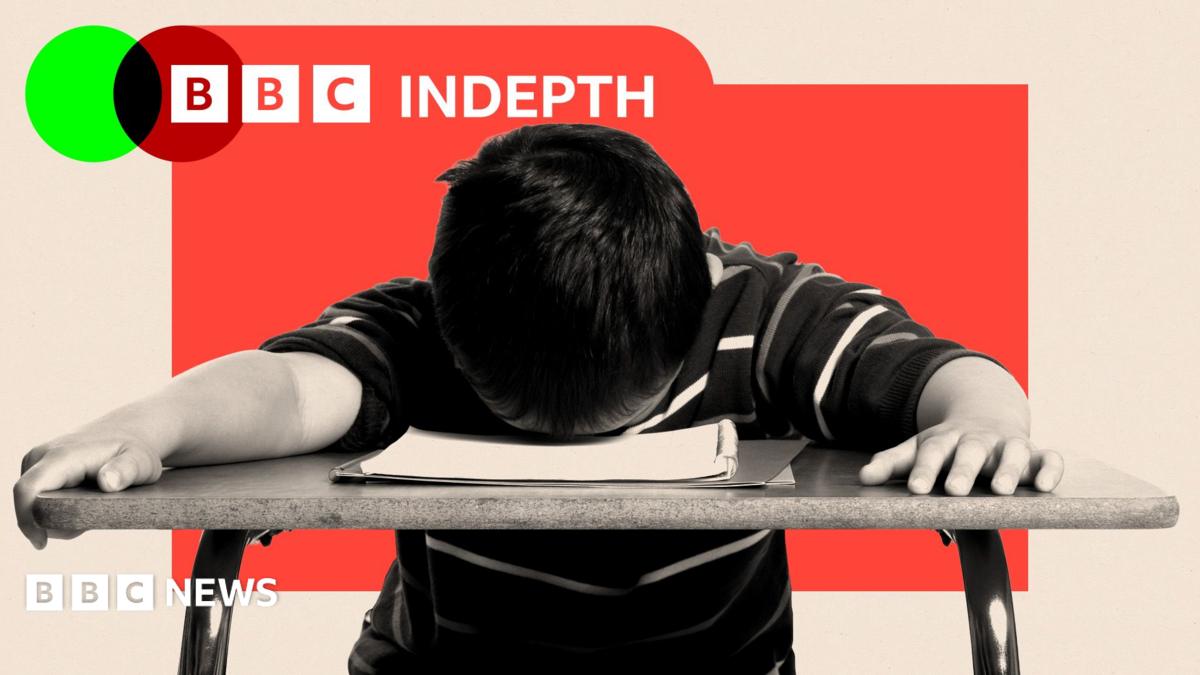
A growing consensus among education professionals warns that escalating summer heatwaves are making it increasingly difficult for primary and secondary classrooms to function, prompting widespread calls to re-examine traditional academic calendars and school infrastructure. As extreme heat events grow more frequent and severe during peak summer months, educators and school leaders are sounding the alarm over the compounding risks to pupil safety, health, and academic performance. The recurring operational disruptions have exposed acute structural vulnerabilities in school facilities—particularly in temperate regions where buildings were historically constructed to retain heat rather than dissipate it—forcing policy makers, administrators, and teachers' unions to consider structural adjustments to term dates, daily schedules, and environmental regulations in education.
Key facts
What happened
Warnings from teachers highlight an urgent operational reality: during extreme summer heatwaves, unconditioned school buildings routinely reach internal temperatures that render effective teaching and learning virtually impossible, according to reporting by Simon King. In many districts, afternoon classroom temperatures frequently exceed ambient outdoor readings, driven by direct sunlight, dense occupancy, and architectural designs optimized for winter thermal retention.
When heatwaves strike during the school term, administrators are repeatedly forced into reactive crisis management. Schools across multiple jurisdictions have resorted to emergency early dismissals, canceling physical education classes, restricting outdoor recreation, or temporarily shifting classes to remote learning platforms. However, educators report that even short-term adjustments fail to address the core problem. Inside overheating classrooms, students experience heightened physiological stress, manifesting as chronic fatigue, severe headaches, dehydration, and reduced attention spans.
The timing of these heatwaves compounds their impact on the academic calendar. Peak summer heat increasingly coincides with crucial educational milestones, including end-of-year assessments, standardized examinations, and final project submissions. Teachers emphasize that conducting high-stakes assessments in sweltering facilities creates an uneven playing field, where thermal discomfort directly suppresses student output and exacerbates stress. Consequently, education advocates argue that relying on piecemeal closures is no longer sustainable, advocating instead for a fundamental overhaul of how academic years are structured and how school environments are regulated.
Why it matters
The operational strain on schools during heatwaves carries profound consequences for educational equity, public health, and broader economic stability. From a developmental perspective, thermal stress directly degrades cognitive performance. Academic research indicates that when indoor classroom temperatures rise above the optimal range of 20 to 22 degrees Celsius (68 to 72 degrees Fahrenheit), student productivity and retention drop measurably. Sustained exposure to elevated heat throughout key instructional weeks leads to cumulative learning loss, particularly in subjects requiring complex problem solving and prolonged concentration.
Furthermore, extreme heat inside schools creates severe socioeconomic and health disparities. Children are biologically more susceptible to heat-related illness than adults due to their higher surface-area-to-body-mass ratios and less efficient thermoregulation. This risk is felt most acutely in lower-income communities, where school districts often lack the capital reserves needed to retrofit aging facilities with modern heating, ventilation, and air conditioning (HVAC) systems or reflective roofing.
On an economic level, sudden heat-related school closures create immediate disruption for working parents, who must secure emergency childcare or forfeit working hours. If education authorities opt to permanently alter the school calendar—such as shortening summer vacations in favor of longer autumn or spring breaks—the shift will ripple across multiple sectors. It would require renegotiating collective bargaining agreements with educators, reorganizing commercial summer enrichment programs, adjusting municipal transit schedules, and restructuring national examination calendars.
The background
The structural framework of modern school calendars dates back to the late 19th and early 20th centuries, when public education systems across Europe and North America standardized term structures. While popular myth attributes the long summer break entirely to historical agricultural needs, urban history shows that summer breaks were largely designed to accommodate urban sanitation concerns and family travel during the hottest months, when school attendance naturally plummeted in poorly ventilated city buildings.
For decades, school construction in temperate climate zones prioritized cold-weather insulation. Buildings erected during the mid-to-late 20th century were routinely equipped with heavy masonry, large single-pane or sealed windows, and central heating units, while mechanical cooling was deemed an unnecessary luxury for facilities largely closed during July and August.
However, long-term climate monitoring by international meteorological agencies, including the Copernicus Climate Change Service and the National Oceanic and Atmospheric Administration (NOAA), confirms a sustained rise in global average temperatures, accompanied by an increase in the frequency, duration, and intensity of heatwaves. Crucially, extreme heat events now routinely occur outside the traditional mid-summer vacation window, striking during late spring and early autumn when school attendance is mandatory.
Regions in southern Europe and the southern United States have long operated under building codes mandating air conditioning and school calendars tailored to extreme heat. In contrast, educational systems in temperate zones—such as northern Europe, the Pacific Northwest, and the northeastern United States—are now experiencing environmental conditions for which their physical assets and regulatory frameworks were never designed.
Reaction
Teachers' organizations and education unions have taken a leading role in raising awareness, advocating for mandatory workplace environmental standards that specify upper temperature limits for classrooms. Union representatives argue that just as regulations mandate minimum heating thresholds during winter months, governments must establish clear statutory maximum temperatures above which physical attendance cannot be required.
Parent groups and community advocates have expressed mixed reactions to proposed solutions. While parents strongly support measures to safeguard children's physical well-being, many express concern over the unpredictability of short-notice heat dismissals, which disrupt work commitments. Proposals to permanently alter the academic year by shortening summer breaks also face resistance from families accustomed to traditional summer vacation periods and from industries reliant on summer tourism and seasonal youth employment.
For their part, education departments and local governance authorities maintain that altering school calendars involves intricate legal and administrative hurdles. School boards point out that statutory frameworks dictate a minimum number of instructional days per year—typically 180 days in most American states and 190 days in the United Kingdom—and that shifting calendar blocks requires broad multi-agency coordination, contractual renegotiations, and community consultation.
What we don't know yet
Significant uncertainties remain regarding how education systems will adapt to escalating thermal challenges:
What to watch
Key indicators and upcoming decision points that will shape the evolution of school calendar policies include:
This news report is based on original reporting published by Simon King.
How this story was produced
This report was written by The Global Wire newsroom from reporting first published by Simon King. We verify the core facts against the original report, write our own account, and add the background and consequences a short wire item leaves out. Drafting is AI-assisted inside an editor-supervised pipeline, and every story is checked for accuracy of attribution, structure and duplication before it appears — full detail in our AI and funding disclosure.
Spotted an error? Tell us at corrections@horizonglobalnews.com and read our corrections policy or editorial standards.


Reader comments
Loading comments…