

Ottawa Committee Approves Proposal to Use Faith Spaces and Recreation Centres for Parking
Ottawa city council will vote on Aug. 26 on a committee-backed plan to allow places of worship and six municipal recreation hubs to lease parking spots.
By The Global Wire Newsroom · Reported from Ben Andrews
Link preview · horizonglobalnews.com
Ottawa Committee Approves Proposal to Use Faith Spaces and Recreation Centres for Parking
Ottawa city council will vote on Aug. 26 on a committee-backed plan to allow places of worship and six municipal recreation hubs to lease parking spots.
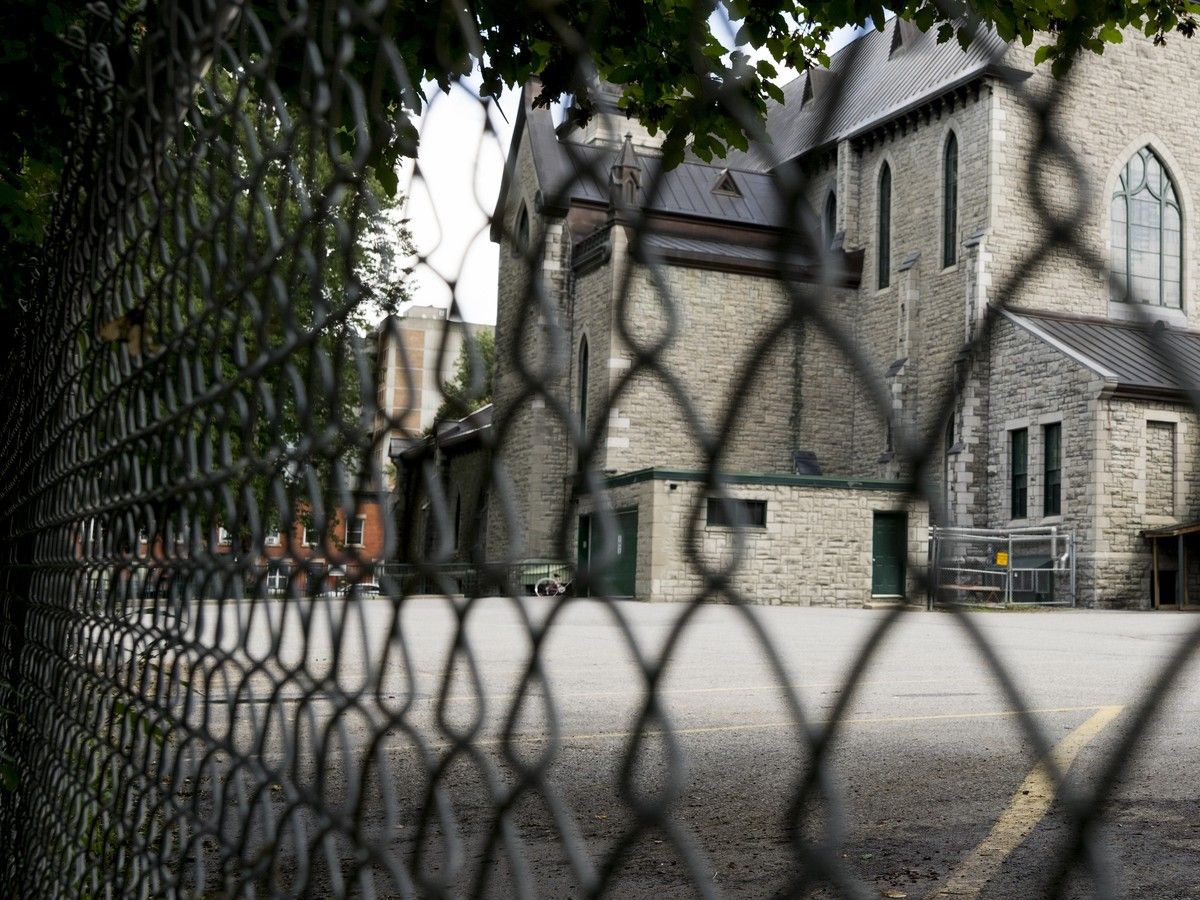
Ottawa’s city council is set to vote on a proposal that would allow places of worship and six municipal recreation facilities to offer or lease parking spaces to help resolve parking shortages in the city, following approval from a key municipal committee. The initiative aims to relieve localized parking crunches by converting existing, underutilized parking lots into shared-use parking capacity for commuters and visitors, according to reporting by Ben Andrews.
The plan was advanced by the committee to address persistent vehicle parking pressures while avoiding the heavy expense of constructing new municipal parking structures. The proposal moves to the full city council for final consideration and a decisive vote on Aug. 26.
Details of the proposed parking measure
The policy framework approved by the committee establishes terms under which faith-based institutions across Ottawa can offer or lease their parking facilities to external motorists. Places of worship frequently maintain private surface parking lots designed to accommodate large congregations during weekend religious services or evening events. Under current conditions, many of these parking stalls remain unoccupied during regular business hours on weekdays.
In addition to faith spaces, the proposal includes six city-owned recreation centres. These municipal hubs possess established parking lots meant to serve residents participating in sports leagues, community events, or recreational programming. By permitting these six facilities to lease out parking spaces or integrate into public parking networks, the city seeks to capitalize on periods of lower recreation activity, such as weekday daytime hours, when nearby demand for commuter parking is typically at its highest.
According to reporting by Ben Andrews, the proposed model allows both faith organizations and the city to optimize existing paved surfaces without making major physical alterations to the properties involved.
Addressing urban parking constraints
Urban parking management presents ongoing challenges for city administrators seeking to balance vehicle access, land consumption, and transit objectives. In dense commercial and civic corridors, parking shortages can result in increased traffic congestion, as drivers circle blocks looking for available spaces, while surrounding residential streets bear the burden of overflow parking.
Constructing dedicated multi-level parking garages or expanding surface lots requires substantial capital expenditure, competes with land needed for housing or commercial development, and often conflicts with broader municipal climate and transportation goals. Shared parking strategies address these limitations by taking advantage of differing peak usage times among distinct land uses.
Commercial offices, public institutions, and retail corridors generate high parking demand during daytime weekday hours. Conversely, places of worship observe peak usage primarily on weekends, while recreation centres often experience their heaviest traffic during late afternoon hours, evenings, and weekends. Linking these mismatched schedules through flexible parking arrangements enables cities to absorb excess demand within existing land boundaries.
Zoning mechanisms and asset management
Implementing shared parking across religious and municipal properties requires specific regulatory adjustments. Land-use bylaws in many municipalities restrict properties zoned for institutional, religious, or recreational purposes from engaging in commercial parking operations without explicit municipal authorization or zoning variances.
If passed by council, the proposal will establish the regulatory framework necessary to permit places of worship to legally manage or lease their parking spaces to third parties or individual commuters. For religious communities, leasing vacant parking stalls offers a predictable revenue source that can help offset operating costs, property maintenance, repaving expenses, and winter snow removal.
For the six city-owned recreation centres, opening up parking spots under managed leasing arrangements represents an opportunity for improved asset management. Municipalities can use parking revenues generated from city-owned sites to support local facility upkeep or return funds to civic coffers. Regulating these arrangements through city policy ensures that parking usage can be monitored, with rules governing operating hours, enforcement mechanisms, maximum stay durations, and safety guidelines to ensure primary facility operations are not compromised.
Shared parking models in Canadian urban planning
The proposal considered by Ottawa officials aligns with broader municipal trends across Canadian urban centers, where city planners increasingly prioritize the efficient use of existing infrastructure over the creation of new asphalt surfaces. Shared parking frameworks are recognized in urban planning as a practical method to reduce overall urban surface parking footprints while maintaining accessibility for drivers.
By formalizing agreements between property owners, municipal managers, and motorists, cities can reduce the necessity for dedicated private parking lots that sit empty for significant portions of the week. Furthermore, such initiatives encourage coordinated transportation management, enabling cities to better map and monitor available parking supply through digital tools, clear signage, and uniform enforcement protocols.
The adoption of shared parking options on civic and institutional lands also allows municipalities to adapt flexibly to shifts in commuting habits and hybrid work schedules, which have altered traditional patterns of parking demand in urban cores.
Next steps for Ottawa city council
The ultimate fate of the committee-approved plan rests with the full Ottawa City Council, which will debate and vote on the measure during its scheduled session on Aug. 26. In the Ottawa municipal system, standing committees serve as preliminary reviewing bodies that examine transportation, planning, and operational proposals before submitting formal recommendations to council.
Should council approve the recommendation on Aug. 26, city staff will move forward with drafting the implementation details, administrative guidelines, and zoning adjustments necessary to allow places of worship and the six designated recreation facilities to begin offering or leasing parking spaces.
This article incorporates reporting originally published by Ben Andrews.
How this story was produced
This report was written by The Global Wire newsroom from reporting first published by Ben Andrews. We verify the core facts against the original report, write our own account, and add the background and consequences a short wire item leaves out. Drafting is AI-assisted inside an editor-supervised pipeline, and every story is checked for accuracy of attribution, structure and duplication before it appears — full detail in our AI and funding disclosure.
Spotted an error? Tell us at corrections@horizonglobalnews.com and read our corrections policy or editorial standards.





Reader comments
Loading comments…