

Nova Minerals Ships 500 Tons of Equipment to Alaska for 2027 Antimony Project
Australian mining firm Nova Minerals has dispatched 500 tons of equipment to Alaska, aiming to begin domestic production of antimony—a critical mineral dominated by China—by 2027.
By The Global Wire Newsroom · Reported from Christopher McFadden
Link preview · horizonglobalnews.com
Nova Minerals Ships 500 Tons of Equipment to Alaska for 2027 Antimony Project
Australian mining firm Nova Minerals has dispatched 500 tons of equipment to Alaska, aiming to begin domestic production of antimony—a critical mineral dominated by China—by 2027.
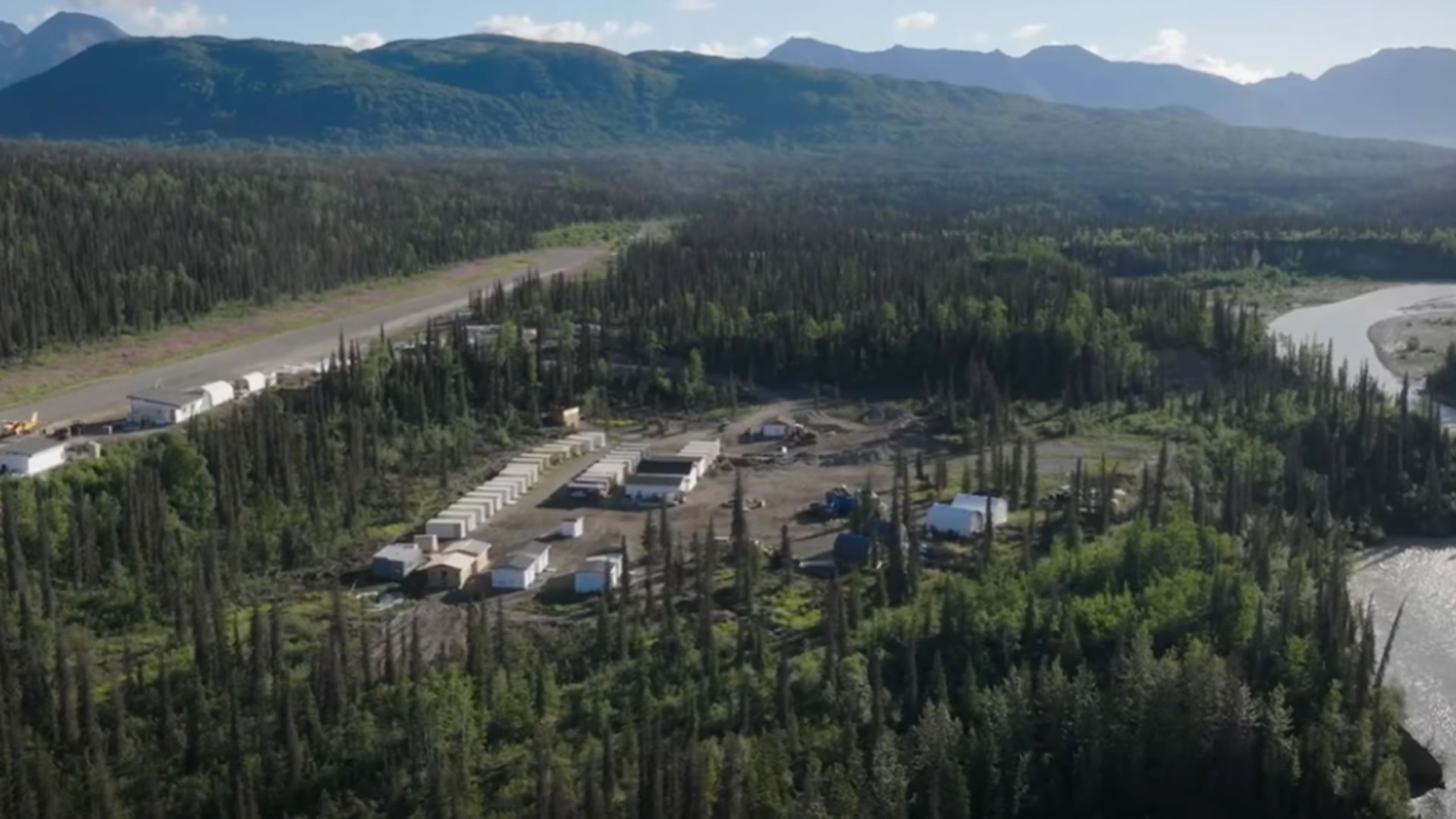
ANCHORAGE, Alaska — Australian exploration company Nova Minerals has transported 500 tons of heavy equipment and machinery to its operational site in Alaska, marking a major physical milestone in the effort to establish commercial antimony extraction inside the United States by 2027. The delivery moves the development project from initial exploration into site infrastructure preparation at a time when federal officials are seeking to reduce national reliance on critical mineral imports from foreign nations, particularly China. Antimony, a strategic metalloid vital for military equipment, semiconductors, flame retardants, and grid-scale energy storage, currently has no active primary mine production within the United States, leaving domestic defense contractors and technological manufacturers almost entirely dependent on external supply chains.
Key facts
What happened
The logistical milestone involves the movement of 500 tons of heavy machinery, operational infrastructure, and processing equipment across Alaska to Nova Minerals' project location. Transferring hundreds of tons of heavy hardware into remote Alaskan terrain represents a complex logistical operation, requiring multimodal transport that typically combines ocean shipping to coastal ports, river barge transit, and seasonal overland transport across specialized access corridors.
The physical delivery enables Nova Minerals to transition its field operations from exploratory drilling and resource estimation to active site civil engineering, camp construction, and metallurgical testing. The equipment will support earthmoving, environmental monitoring, core drilling, and preliminary facility construction necessary to establish a mining and processing node. Nova Minerals has outlined a production timeline aimed at bringing the facility online by 2027, subject to successful construction phases, equipment installation, and regulatory approvals.
The project focuses on extracting high-grade stibnite—the principal ore mineral of antimony—found within the company's mineral claims in Alaska. The deployment of physical plant assets signals a deliberate shift by project operators to meet accelerating demand from North American industrial buyers seeking locally sourced raw materials ahead of the targeted 2027 operational launch.
Why it matters
The deployment of processing hardware in Alaska touches directly on primary vulnerabilities within the United States military and industrial supply chain. Antimony is an element essential to national security applications. The military relies on antimony trioxide and antimony metal for producing armor-piercing ammunition, night-vision goggles, infrared sensors, pyrotechnic flares, precision-guided munitions, and protective coatings for military vehicles and naval vessels.
Outside the defense sector, antimony is a critical component in flame-retardant chemistry used in consumer electronics, automotive plastics, and construction materials. It is also increasingly vital to the energy transition, serving as a key material in solar panel glass manufacturing and next-generation liquid-metal batteries designed for long-duration grid storage.
When the Chinese Ministry of Commerce enacted export restrictions on antimony, stibnite, and associated processing equipment in September 2024, global spot prices for the element surged, and Western defense firms faced potential material shortages. The United States National Defense Stockpile maintains limited reserves of antimony, leaving domestic industrial operations exposed to export quotas or geopolitical disputes. If Nova Minerals achieves its 2027 operational target in Alaska, it would establish a rare domestic extraction point, providing North American manufacturers with a secure source of raw material that is insulated from foreign trade controls and ocean shipping disruptions.
The background
Antimony has been recognized as a strategic material since World War II, when the United States relied heavily on domestic production from the historic Stibnite Mining District in Idaho to supply bullet lead and flame-retardant canvas tents for military forces. Following the conclusion of the Cold War, however, low production costs and less restrictive environmental regulations overseas led to the gradual closure of domestic processing facilities and primary mines across North America.
By the early 2000s, global antimony extraction had concentrated heavily in a small handful of countries. According to data from the United States Geological Survey (USGS), China accounted for approximately 48 percent of global mined antimony production in recent years, followed by Russia and Tajikistan. Together, these three nations control more than 70 percent of total worldwide mine output and an even larger share of refined antimony metal and trioxide chemical processing.
Recognizing this concentration of risk, the U.S. Department of the Interior formally designated antimony as a critical mineral under federal criteria, highlighting its economic importance and severe supply chain vulnerability. In response, both federal agencies and private mining developers have launched efforts to rebuild domestic extraction and refining capability. Across North America, projects such as Perpetua Resources' Stibnite Gold Project in Idaho—which received tens of millions of dollars in U.S. Department of Defense grants under Title III of the Defense Production Act—and Nova Minerals' operations in Alaska represent the primary efforts to establish domestic production capacity.
Operating in Alaska, however, presents distinct structural challenges. Developers must navigate short seasonal operational windows, extreme weather conditions, lacking grid infrastructure, and complex multi-agency regulatory frameworks overseen by the Alaska Department of Natural Resources, the U.S. Army Corps of Engineers, and the Environmental Protection Agency.
Reaction
While specific public statements regarding the equipment shipment were limited, domestic defense analysts and critical mineral advocates have consistently urged rapid development of Western antimony projects. Federal lawmakers on Capitol Hill have repeatedly warned in committee hearings that dependency on foreign competitors for munition components creates a severe operational vulnerability for the U.S. Armed Forces.
In Alaska, state officials and local economic development groups generally welcome resource extraction projects that bring capital investment, skilled employment, and infrastructure development to remote regions, provided environmental protections are strictly enforced. Conversely, environmental advocacy organizations and local indigenous communities in Alaska maintain rigorous oversight of mining initiatives, frequently raising concerns regarding potential impacts on salmon-bearing streams, wilderness habitats, and long-term tailing containment.
What we don't know yet
Several critical operational and financial variables remain unresolved regarding Nova Minerals' Alaska project:
What to watch
In the coming months, several key indicators will reveal whether the project remains on schedule to meet its 2027 goal:
This article incorporates reporting originally published by Christopher McFadden.
How this story was produced
This report was written by The Global Wire newsroom from reporting first published by Christopher McFadden. We verify the core facts against the original report, write our own account, and add the background and consequences a short wire item leaves out. Drafting is AI-assisted inside an editor-supervised pipeline, and every story is checked for accuracy of attribution, structure and duplication before it appears — full detail in our AI and funding disclosure.
Spotted an error? Tell us at corrections@horizonglobalnews.com and read our corrections policy or editorial standards.
Reader comments
Loading comments…