

Nottingham Peregrine Falcon Rescued and Returned to the Wild
After being found injured and grounded in Nottingham, a peregrine falcon was rescued, rehabilitated and released back into the wild.
By The Global Wire Newsroom · Reported from John Pakey
Link preview · horizonglobalnews.com
Nottingham Peregrine Falcon Rescued and Returned to the Wild
After being found injured and grounded in Nottingham, a peregrine falcon was rescued, rehabilitated and released back into the wild.
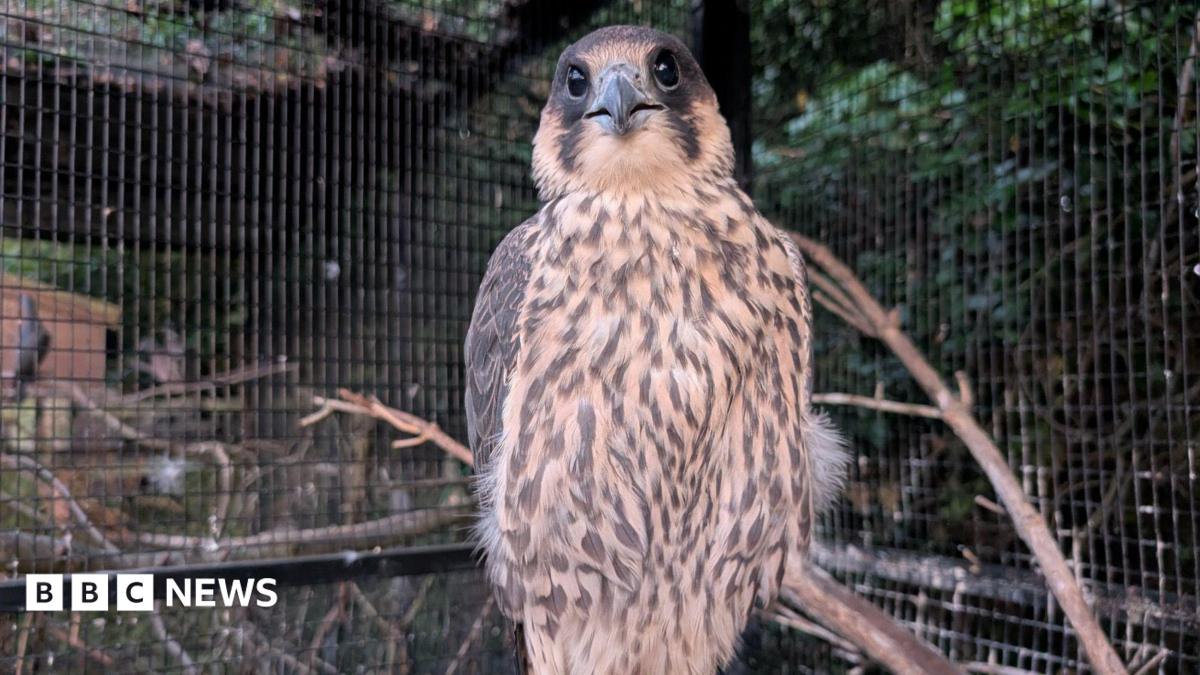
A peregrine falcon found injured on the ground in Nottingham has successfully returned to its natural habitat following an intensive month-long rehabilitation process. The bird of prey was rescued by wildlife handlers, nursed back to health over four weeks of dedicated care, and subsequently released, according to reporting by John Pakey. The emotional release brought significant relief to the caregivers and conservationists involved in overseeing the animal's physical recovery.
The Discovery and Initial Rescue
The incident began when the bird of prey was spotted grounded and unable to take flight in Nottingham. For apex predators such as peregrine falcons, falling to the ground in an urban setting presents immediate, severe risks. Grounded raptors are exposed to vehicular traffic, potential terrestrial predators, human disruption, and starvation if they cannot hunt or return to higher perches.
Upon being discovered, the injured raptor was safely retrieved and transferred to a facility capable of managing wild birds of prey, according to reporting by John Pakey. Immediate veterinary assessment was necessary to evaluate the extent of the bird's physical trauma, stabilize its condition, and determine whether it could eventually be returned to the wild.
Four Weeks of Specialized Rehabilitation
The bird spent a full month undergoing specialized medical treatment and physical therapy designed to restore its flight capabilities and overall physical condition. According to reporting by John Pakey, care staff monitored the peregrine daily over the 30-day period, ensuring it received appropriate nutrition and medical supervision.
Rehabilitating wild raptors requires balancing medical intervention with minimal human contact. Caregivers must prevent the bird from becoming habituated to human presence, as tame wild raptors often struggle to survive once re-released. Over the course of four weeks, the bird progressed from clinical care to flight testing, allowing rehabilitation staff to observe its ability to launch, maneuver, and land safely. Once the raptor demonstrated full physical recovery and peak flight performance, plans were finalized for its return to the wild.
Urban Raptor Habitats in Nottingham
The presence of peregrine falcons in urban environments like Nottingham represents a well-documented ecological phenomenon across the United Kingdom. Historically nesting on rural cliff faces and coastal crags, peregrines have increasingly adapted to major towns and cities over the past few decades. Tall urban structures, including tall office towers, historic church spires, and civic buildings, provide ideal artificial cliff edges for nesting and roosting.
Nottingham provides a suitable environment for urban birds of prey, offering elevated perches and an abundant prey base consisting primarily of feral pigeons and starlings. However, urban living also introduces specific hazards for raptors. Young fledglings and adult birds face potential collisions with glass facades, high-voltage infrastructure, and motor vehicles. When an urban peregrine is injured, swift intervention by local rescuers is often the only mechanism preventing fatal outcomes.
The Emotional Return to the Wild
Following the conclusion of the month-long recovery period, the bird was brought back to its environment for release. According to reporting by John Pakey, the reunion was a deeply moving moment for those involved, bringing tears to the eyes of observers who had tracked the bird's recovery from its initial rescue to full health.
Reconnecting an adult peregrine with its local area is critical for maintaining population dynamics. Peregrines are highly territorial animals that maintain established ranges for hunting and breeding. Returning the healthy raptor to Nottingham ensures that it can resume its role within the local ecosystem, maintaining territorial boundaries and potentially contributing to future breeding cycles.
Broader Context of Raptor Conservation
The rescue and recovery of the Nottingham peregrine align with wider conservation efforts across Great Britain. Peregrine falcons (Falco peregrinus) experienced catastrophic population declines during the mid-20th century, largely caused by the widespread agricultural use of organochlorine pesticides such as DDT. These chemicals accumulated in the food chain, causing severe shell-thinning in raptor eggs and leading to widespread reproductive failure.
Following strict legal protections under the Wildlife and Countryside Act 1981 and bans on toxic agricultural chemicals, UK peregrine populations have steadily recovered over recent decades. Today, urban pairs serve as visible symbols of wildlife resilience, drawing substantial public interest and educational engagement. Incidents involving the rescue and care of individual raptors highlight the ongoing importance of local wildlife rehabilitation networks in maintaining urban biodiversity.
This article incorporates reporting originally published by John Pakey.
How this story was produced
This report was written by The Global Wire newsroom from reporting first published by John Pakey. We verify the core facts against the original report, write our own account, and add the background and consequences a short wire item leaves out. Drafting is AI-assisted inside an editor-supervised pipeline, and every story is checked for accuracy of attribution, structure and duplication before it appears — full detail in our AI and funding disclosure.
Spotted an error? Tell us at corrections@horizonglobalnews.com and read our corrections policy or editorial standards.
Reader comments
Loading comments…