

Next-Generation EV Batteries Race to Challenge Lithium-Ion Dominance
An analysis of alternative battery chemistries, including sodium-ion and solid-state systems, highlights the ongoing effort to reshape electric vehicle energy storage.
By The Global Wire Newsroom · Reported from Kaif Shaikh
Link preview · horizonglobalnews.com
Next-Generation EV Batteries Race to Challenge Lithium-Ion Dominance
An analysis of alternative battery chemistries, including sodium-ion and solid-state systems, highlights the ongoing effort to reshape electric vehicle energy storage.
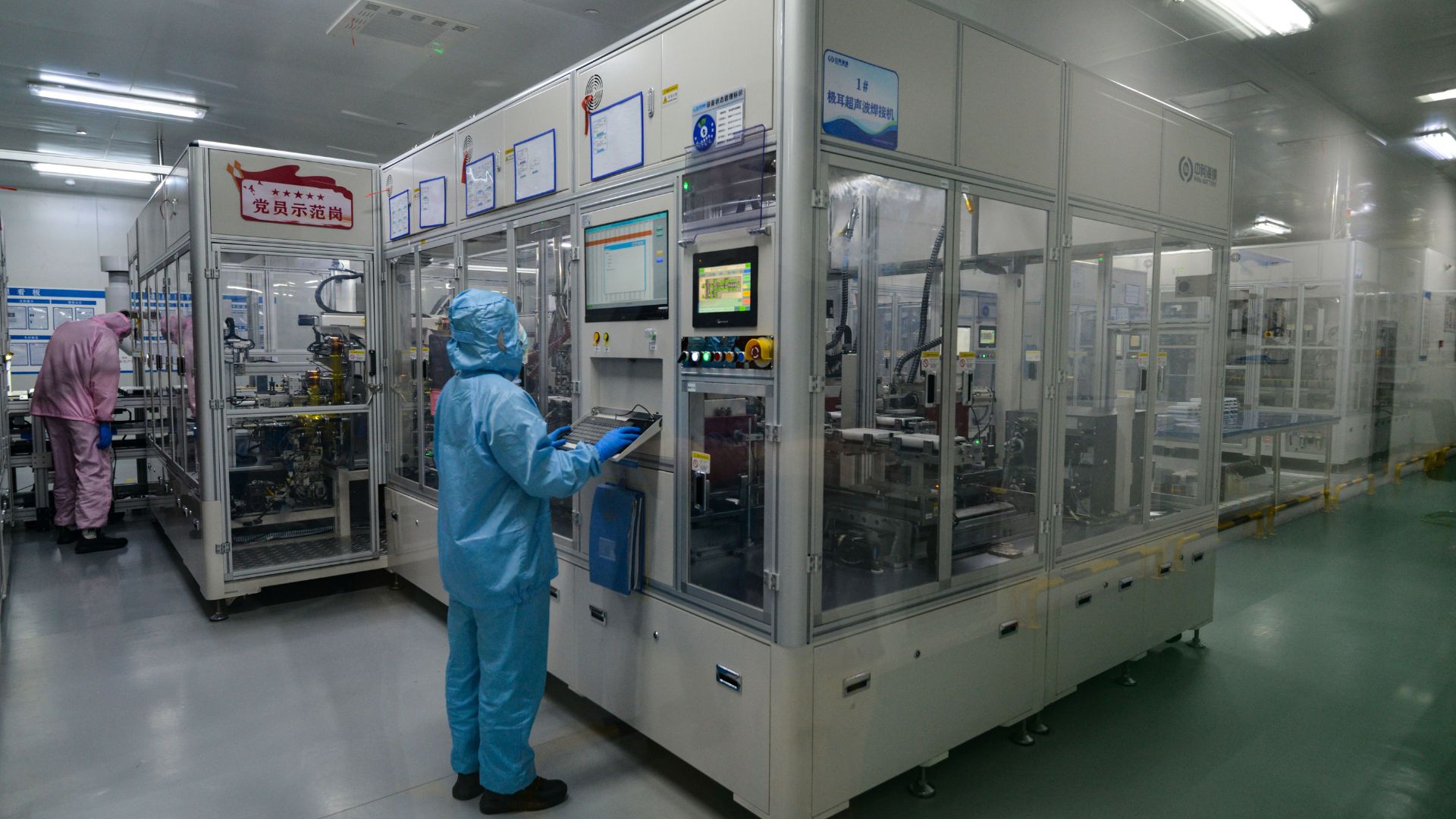
Analysis published on August 24, 2026, by technology reporter Kaif Shaikh examined five emerging battery chemistries competing to power the next generation of electric vehicles. The overview focuses on alternatives designed to bypass the physical, financial, and supply chain constraints of current lithium-ion batteries. Among the prominent alternatives highlighted are sodium-ion, solid-state, and lithium-sulfur systems. As global vehicle manufacturers seek to expand driving range, reduce manufacturing costs, and eliminate reliance on concentrated mineral supply chains, the development of non-traditional battery architectures has become a major focus for automotive research and industrial scaling.
Key facts
What happened
In an analytical overview published on August 24, 2026, journalist Kaif Shaikh detailed five alternative battery chemistries that are being developed to supplement or replace standard lithium-ion systems in electric vehicles.
The report highlights three primary technological pathways that have gained significant momentum across research laboratories and corporate pilot lines. The first, sodium-ion chemistry, substitutes sodium for lithium as the primary charge carrier. Because sodium is geographically widespread and chemically similar to lithium, sodium-ion cells can be manufactured using existing battery production facilities with minor modifications, offering a low-cost alternative for budget electric vehicles and stationary energy storage.
The second technology detailed in the analysis is solid-state battery architecture. Traditional batteries rely on flammable liquid organic solvents to transport ions between the anode and cathode. Solid-state systems replace this liquid with a solid ceramic, polymer, or sulfide electrolyte. This structural change allows for the safe integration of pure lithium metal anodes, which can drastically increase energy storage density per unit of weight and volume while minimizing thermal runaway risks.
The third highlighted chemistry, lithium-sulfur, pairs a lithium anode with a sulfur cathode. Sulfur is an abundant industrial byproduct, making the active cathode material far less expensive than the cobalt and nickel used in high-performance lithium-ion cells. The multi-electron chemical reaction of sulfur theoretically yields gravimetric energy density far superior to current commercial cells.
While Shaikh's report categorizes five distinct battery innovations racing toward commercial vehicle integration, the initial analysis concentrates on how these three chemistries target specific trade-offs between manufacturing costs, energy density, and material accessibility.
Why it matters
The search for alternatives to standard lithium-ion batteries carries significant implications for automotive pricing, corporate supply chains, and international energy policy.
Currently, lithium-ion batteries account for roughly 30 to 40 percent of the total retail cost of a new electric vehicle. The raw materials essential to high-density lithium-ion cells—specifically lithium carbonate, class-1 nickel, and refined cobalt—are subject to severe price volatility and geographic supply concentration. Over 70 percent of global cobalt refining and more than 60 percent of lithium processing take place in a small number of countries, exposing global automakers to potential supply interruptions and trade restrictions.
By transitioning entry-level urban vehicles to sodium-ion batteries, manufacturers could reduce cell-level raw material costs by an estimated 30 percent. This cost reduction is vital for bringing sub-$20,000 electric cars to mass markets without heavy government subsidies.
For long-range and premium electric vehicles, solid-state and lithium-sulfur technologies offer potential gravimetric energy densities exceeding 400 to 500 watt-hours per kilogram, compared to 250 to 300 watt-hours per kilogram for advanced lithium-nickel-manganese-cobalt (NMC) cells. Achieving these higher energy densities would allow automakers to double the driving range of vehicles without increasing battery weight, or to maintain current ranges while reducing overall vehicle curb weight, thereby improving overall vehicle efficiency and tire wear.
Furthermore, deploying lower-cost alternative chemistries in stationary energy storage grids reduces competition for lithium supplies, ensuring that automotive applications receive priority access to high-density energy storage materials.
The background
To evaluate the emerging technologies highlighted by Kaif Shaikh, it is necessary to examine how conventional lithium-ion batteries became the automotive standard and where their physical limitations lie.
Lithium-ion technology was first commercialized by Sony in 1991 for consumer electronics. Over the subsequent three decades, incremental improvements in manufacturing engineering and cathode chemistry allowed the technology to scale into electric vehicles. The automotive market currently relies on two main chemistry families: Lithium Iron Phosphate (LFP) and Nickel Manganese Cobalt (NMC).
LFP chemistries offer long cycle life, high thermal stability, and low cost because they avoid nickel and cobalt. However, LFP cells feature a relatively modest gravimetric energy density of approximately 160 to 200 watt-hours per kilogram. NMC cells deliver significantly higher energy density (250 to 300 Wh/kg), making them the choice for long-range vehicles, but they remain costly and vulnerable to raw material supply constraints. Between 2010 and 2023, average battery pack prices fell from over $1,000 per kilowatt-hour to roughly $139 per kWh, but further cost reductions using standard lithium-ion formulas have slowed due to baseline mineral costs.
This cost floor has accelerated research into alternative chemistries:
Reaction
Automotive executives, battery manufacturers, and energy analysts are taking distinct strategic approaches to the proliferation of alternative chemistries.
Major global vehicle manufacturers, including Toyota, Volkswagen, Hyundai, and BYD, have established dedicated research divisions and joint ventures targeting solid-state and sodium-ion commercialization. Industry consensus indicates that no single chemistry will dominate the future market; instead, automakers are adopting multi-chemistry platforms where sodium-ion powers low-cost city cars, LFP serves mainstream mid-range vehicles, and solid-state or lithium-sulfur powers long-range luxury vehicles and heavy commercial trucks.
Mining industry analysts note that rapid adoption of sodium-ion technology in energy storage and entry-level vehicles could soften long-term demand growth for lithium carbonate, potentially stabilizing raw material prices across the broader battery ecosystem. Meanwhile, environmental policy groups advocate for alternative chemistries because eliminating cobalt and nickel reduces the ecological and ethical footprints associated with deep-pit mining operations in vulnerable regions.
What we don't know yet
Despite the promises of next-generation battery chemistries, several critical questions and technical hurdles remain unaddressed.
First, the scalable manufacturing process for solid-state batteries remains unproven. Conventional battery factories use roll-to-roll liquid coating processes. Adapting these high-speed assembly lines to fragile ceramic or reactive sulfide solid electrolytes without introducing microscopic structural defects remains a major engineering obstacle.
Second, the operational lifespan of lithium-sulfur chemistry under variable thermal conditions is still unverified outside controlled laboratory environments. Whether advanced cathode coatings or solid-state electrolytes can permanently eliminate the polysulfide shuttle effect over a standard 10-year vehicle warranty period remains unknown.
Third, reporting by Kaif Shaikh provides a general overview of five candidate technologies but does not specify the final two battery chemistries in the five-part framework, nor does it provide independent empirical performance data, verified cell cycle counts, or specific factory production output metrics for the technologies evaluated.
What to watch
Several clear indicators over the coming years will signal whether these alternative battery chemistries can successfully transition from laboratory prototypes to mainstream vehicle manufacturing:
This report is based on coverage published by technology reporter Kaif Shaikh on August 24, 2026, examining five alternative battery chemistries competing to power future electric vehicles.
How this story was produced
This report was written by The Global Wire newsroom from reporting first published by Kaif Shaikh. We verify the core facts against the original report, write our own account, and add the background and consequences a short wire item leaves out. Drafting is AI-assisted inside an editor-supervised pipeline, and every story is checked for accuracy of attribution, structure and duplication before it appears — full detail in our AI and funding disclosure.
Spotted an error? Tell us at corrections@horizonglobalnews.com and read our corrections policy or editorial standards.
Reader comments
Loading comments…