

New Fungal Species 'Mucor melanoleucus' Identified in Giant Panda Dung
Genetic sequencing has confirmed a novel species of soil-dwelling mold isolated from giant panda fecal samples, expanding the known microbial diversity of endangered herbivores.
By The Global Wire Newsroom · Reported from TOI Science Desk
Link preview · horizonglobalnews.com
New Fungal Species 'Mucor melanoleucus' Identified in Giant Panda Dung
Genetic sequencing has confirmed a novel species of soil-dwelling mold isolated from giant panda fecal samples, expanding the known microbial diversity of endangered herbivores.
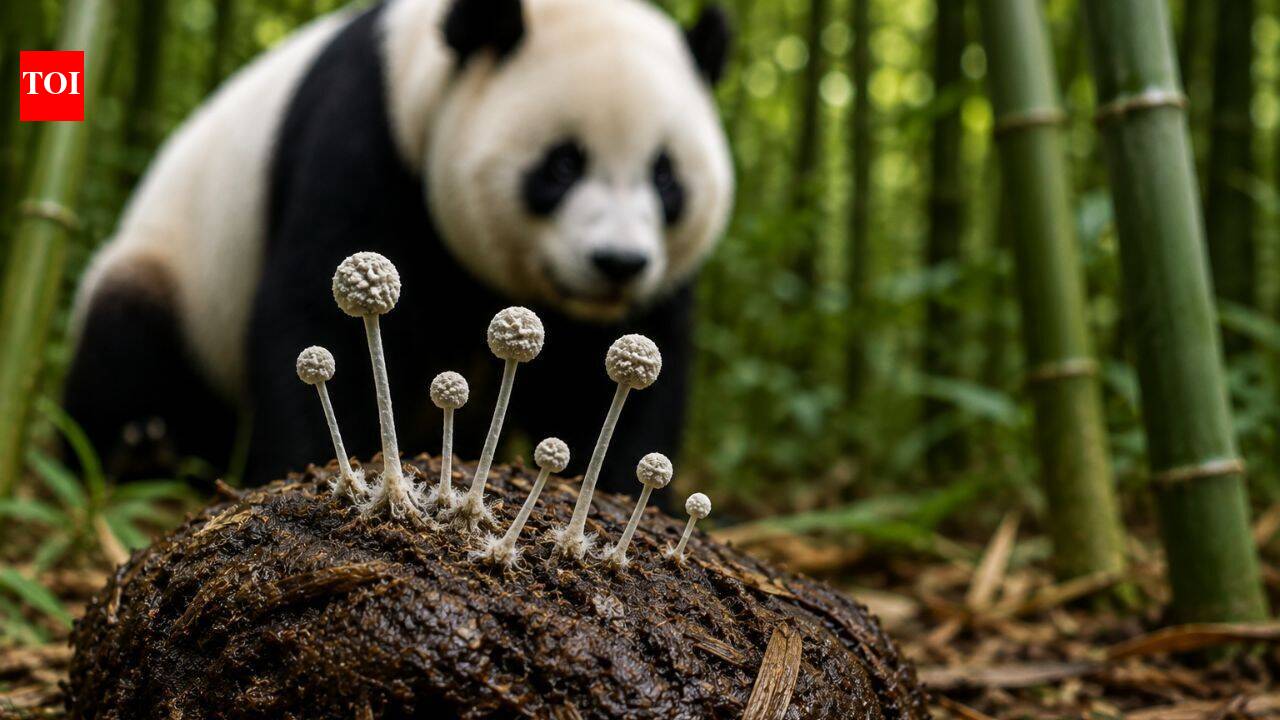
A research team has isolated and formally identified a previously unknown species of fungus extracted from the faeces of a giant panda, expanding the taxonomic record of micro-organisms associated with specialized mammalian herbivores. Genetic analysis confirmed that the isolated strain represents a novel biological species, which researchers have named *Mucor melanoleucus*—a direct taxonomic nod to the scientific name of the giant panda, *Ailuropoda melanoleuca*. The organism belongs to *Mucor*, a well-established genus of fast-growing saprophytic fungi frequently recovered from soil, decaying vegetation, and organic animal waste. The discovery underscores the role of wildlife digestive systems as reservoirs of uncharacterized microbial diversity and provides new material for researchers studying host-microbe interactions in endangered species.
Key facts
What happened
The discovery occurred during microbiological screening of giant panda waste samples, a practice increasingly utilized by wildlife biologists and microbiologists to map the internal microbial communities of rare animals. Researchers isolated fungal colonies from the fecal matter and cultivated them under controlled laboratory conditions to observe their growth characteristics, structural development, and reproductive organs.
Initial microscopic examination revealed traits typical of zygomycete molds, including rapid vegetative growth and the formation of specialized spore-bearing structures. However, subtle morphological differences prompted the team to perform molecular characterization. Scientists extracted genomic DNA from the cultured fungus and sequenced key marker regions, including the Internal Transcribed Spacer (ITS) region of the ribosomal RNA gene cluster, which serves as the universal DNA barcode for fungal identification.
When the resulting genetic sequences were queried against global reference databases such as GenBank, the data demonstrated significant divergence from all previously cataloged members of the genus *Mucor*. Phylogenetic tree reconstruction placing the isolate alongside known relative species confirmed that the organism occupied a distinct evolutionary lineage. Based on these concurrent morphological and genetic findings, the research team formally described the strain as *Mucor melanoleucus*, registering its taxonomic profile and designating reference culture specimens in official mycological repositories.
Why it matters
The identification of *Mucor melanoleucus* carries implications across several scientific disciplines, ranging from wildlife conservation to industrial biotechnology. Giant pandas present an evolutionary paradox: although classified taxonomically within the order Carnivora, their diet consists almost exclusively of fibrous bamboo, which makes up more than 99 percent of their daily food intake. Unlike traditional ruminants such as cattle or deer, pandas possess a short, simple gastrointestinal tract lacking complex multi-chambered stomachs or an enlarged cecum designed for prolonged microbial fermentation.
Consequently, the giant panda relies heavily on the metabolic activity of its intestinal microbiome—comprising bacteria, archaea, and fungi—to digest structural plant polysaccharides like cellulose and hemicellulose. While bacterial populations in the panda gut have been extensively cataloged over the past two decades, the fungal component, known as the gut mycobiome, remains far less understood. Identifying unique fungal species in panda waste helps researchers piece together the ecological network operating inside the panda's digestive tract and evaluate how micro-fungi contribute to nutrient extraction from nutrient-poor bamboo.
Beyond conservation biology, the discovery holds potential value for bioprospecting. Micro-organisms in the genus *Mucor* are widely recognized in industrial biotechnology for their capacity to secrete robust extracellular enzymes, including lipases, proteases, cellulases, and amylases. Fungi that have evolved within or adapted to the digestive environment of a bamboo specialist may possess novel, highly efficient enzymes capable of breaking down recalcitrant lignocellulosic biomass. Such enzymes are highly sought after in biofuel production, agricultural waste processing, textile manufacturing, and paper recycling. Furthermore, cataloging the native microflora of endangered animals ensures that their associated microbial biodiversity is documented and preserved even as wild populations face ongoing environmental pressures.
The background
The genus *Mucor* was first established in 1794 by the Dutch mycologist Christian Hendrik Persoon and stands as the type genus of the order Mucorales within the phylum Mucoromycota. Members of this genus are characterized by non-septate or sparsely septate broad hyphae and the production of erect sporangiophores terminating in globose, spore-filled sporangia. These fungi reproduce copiously through asexual sporangiospores and can undergo sexual reproduction through the formation of thick-walled zygospores under appropriate environmental conditions. *Mucor* species are ubiquitous in nature, playing an indispensable ecological role as primary decomposers that break down complex organic polymers and return carbon and nitrogen to the soil.
Many fungi within the Mucorales order are coprophilous, meaning they specifically colonize animal manure. Dung provides a nutrient-dense, moisture-rich substrate that supports rapid fungal spore germination and hyphal expansion. In natural ecosystems, coprophilous fungi follow a predictable succession sequence, breaking down soluble sugars first before specialized species decompose structural plant polymers left unabsorbed by the host animal's digestive system.
The host of the newly discovered fungus, the giant panda (*Ailuropoda melanoleuca*), is native to the mountain bamboo forests of central China, primarily across Shaanxi, Gansu, and Sichuan provinces. An adult panda consumes between 12 and 38 kilograms of bamboo daily to meet its nutritional requirements, passing large volumes of fibrous waste throughout the day. Historically listed as Endangered on the International Union for Conservation of Nature (IUCN) Red List of Threatened Species, the giant panda was reclassified to Vulnerable in September 2016 following sustained habitat restoration and protected area expansion by Chinese wildlife authorities.
In modern fungal taxonomy, species determination relies on a polyphasic approach combining classical morphology with high-throughput molecular phylogenetics. The adoption of the Internal Transcribed Spacer (ITS) region as the primary fungal DNA barcode by the International Consortium for the Barcode of Life in 2012 standardized the process for recognizing novel taxa. When an unknown isolate displays greater than two to three percent sequence divergence across the ITS region compared to its nearest known relatives, combined with distinct physical traits, it is formally recognized as a new species under the International Code of Nomenclature for algae, fungi, and plants.
Reaction
The discovery of *Mucor melanoleucus* is expected to draw interest from mycologists, wildlife disease specialists, and environmental microbiologists attending upcoming scientific symposia. Researchers specializing in mammalian gut ecosystems frequently advocate for broader sampling of wild animal populations, noting that the vast majority of global fungal diversity remains uncultured and undescribed.
In academic forums, discussion is likely to focus on whether the newly identified organism represents a permanent resident of the giant panda gastrointestinal tract or an environmental saprophyte that was passively ingested along with bamboo stems, leaves, or surrounding soil. Microbiologists specializing in bioprospecting are anticipated to examine the strain's enzyme production profile once live cultures are made accessible through public culture collections. Meanwhile, veterinary scientists monitoring captive panda breeding programs typically assess such findings to ensure that newly identified fungal strains do not pose opportunistic health risks to immune-compromised or infant animals.
What we don't know yet
Despite the definitive genetic confirmation of *Mucor melanoleucus* as a new species, several key biological and ecological questions remain open:
What to watch
In the coming months, several critical benchmarks will clarify the significance and utility of this discovery:
This report is based on original news reporting published by TOI Science Desk on September 6, 2026.
How this story was produced
This report was written by The Global Wire newsroom from reporting first published by TOI Science Desk. We verify the core facts against the original report, write our own account, and add the background and consequences a short wire item leaves out. Drafting is AI-assisted inside an editor-supervised pipeline, and every story is checked for accuracy of attribution, structure and duplication before it appears — full detail in our AI and funding disclosure.
Spotted an error? Tell us at corrections@horizonglobalnews.com and read our corrections policy or editorial standards.


Reader comments
Loading comments…