

Maritime Decarbonization: Researchers Build 25 kW Diesel-to-Hydrogen Reactor for Ships
Engineers have constructed a 25-kilowatt reformer capable of processing diesel into hydrogen-rich gas at sea, offering a practical bridge for shipboard power generation.
By The Global Wire Newsroom · Reported from Georgina Jedikovska
Link preview · horizonglobalnews.com
Maritime Decarbonization: Researchers Build 25 kW Diesel-to-Hydrogen Reactor for Ships
Engineers have constructed a 25-kilowatt reformer capable of processing diesel into hydrogen-rich gas at sea, offering a practical bridge for shipboard power generation.
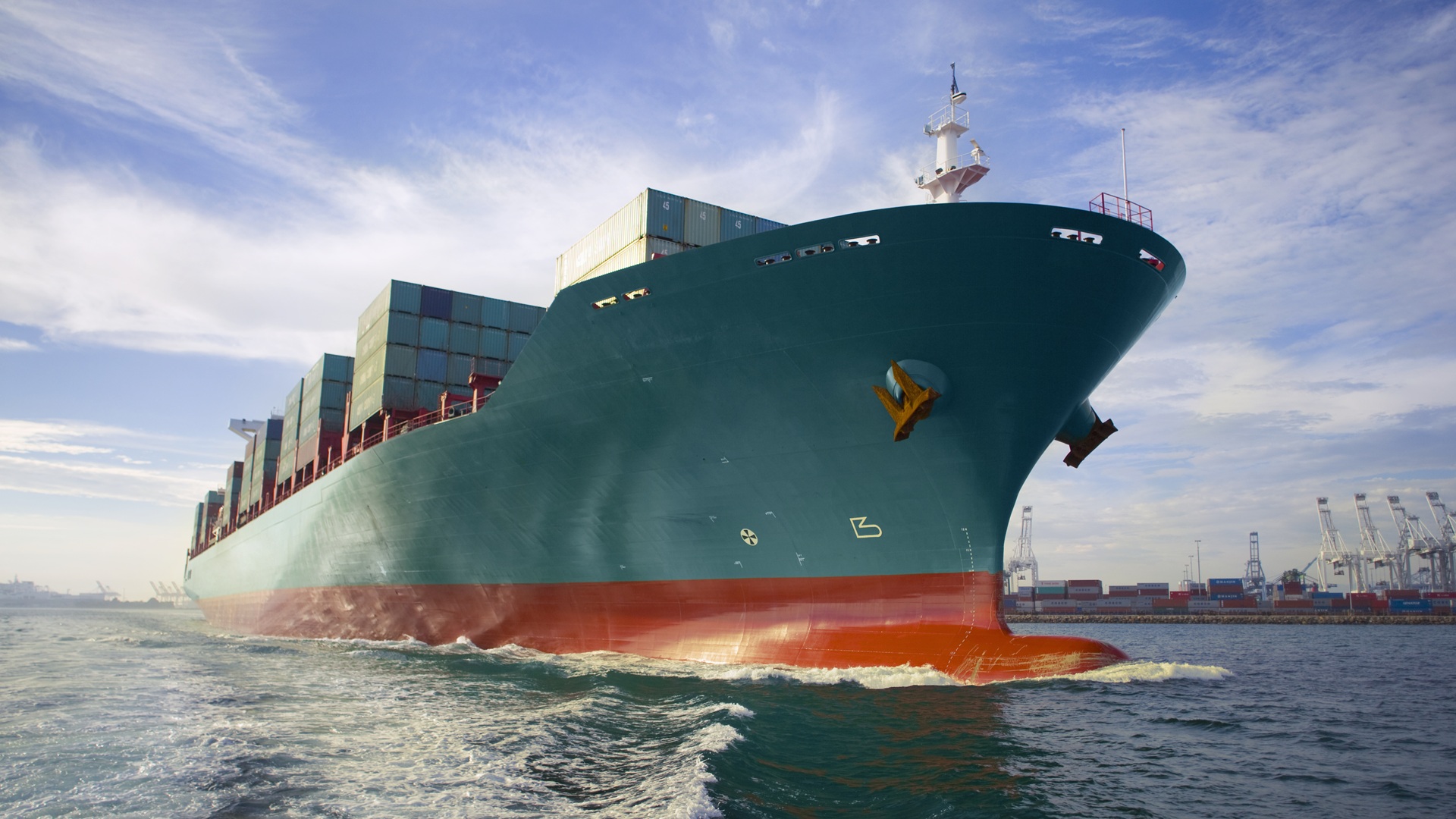
Engineers have developed a 25-kilowatt (kW) diesel reformer capable of extracting hydrogen-rich gas directly from marine fuel while at sea, establishing a new technological bridge for maritime electrical generation. The experimental system, detailed in reporting published on October 12, 2026, by journalist Georgina Jedikovska, processes liquid diesel into a synthesis gas dense in hydrogen. The resulting gas can be harnessed by onboard fuel cells or specialized engines to generate auxiliary electricity, offering a potential path to lower local emissions on commercial vessels without requiring massive structural alterations for pressurized cryogenic gas storage.
Key facts
What happened
The newly built 25 kW diesel reformer functions as a compact chemical processing unit engineered specifically for the operating conditions encountered aboard maritime vessels. Liquid diesel, which consists of complex long-chain hydrocarbon molecules, is introduced into the reactor alongside steam or oxygen under elevated temperatures and controlled pressure. Through a high-temperature catalytic process—typically utilizing steam reforming, autothermal reforming, or partial oxidation mechanisms—the reactor breaks the chemical bonds of the liquid fuel.
This thermochemical reaction converts the liquid hydrocarbon into a synthesis gas, commonly known as syngas, composed predominantly of hydrogen gas, carbon monoxide, and smaller quantities of carbon dioxide and methane. To maximize the usable volume of hydrogen, the output gas undergoes a secondary process known as a water-gas shift reaction. In this stage, carbon monoxide reacts with steam over a specialized catalyst bed to produce additional hydrogen and carbon dioxide.
According to reporting by Georgina Jedikovska, the resulting hydrogen-rich stream is refined and directed to generate electrical power onboard ship. By producing hydrogen continuously on demand, the system eliminates the requirement to store compressed or liquid hydrogen in large, pressurized fuel tanks. The 25 kW capacity of the prototype makes it suitable for running discrete auxiliary electrical subsystems, serving as a functional concept demonstration prior to potential scaling for commercial maritime operations.
Why it matters
The global maritime shipping industry accounts for approximately 3 percent of total global greenhouse gas emissions annually, transporting more than 80 percent of international trade by volume. In response to climate pressures, the International Maritime Organization (IMO) updated its greenhouse gas strategy in 2023, setting targets to reach net-zero emissions from international shipping by or around 2050. The strategy includes intermediate checkpoints aiming for a reduction in total annual greenhouse gas emissions of at least 20 percent by 2030, and at least 70 percent by 2040, compared to 2008 baseline levels.
Achieving these benchmarks presents severe engineering hurdles. While pure hydrogen fuel cells offer zero-emission power at the point of consumption, storing pure hydrogen gas on long-haul vessels is exceptionally challenging. Pure hydrogen possesses a low volumetric energy density compared to traditional liquid marine fuels. Liquefying hydrogen requires cooling the gas to cryogenic temperatures of -253 degrees Celsius (-423 degrees Fahrenheit), demanding heavy insulation, specialized containment systems, and significant cooling energy. Alternatively, storing hydrogen as a compressed gas requires containment vessels capable of handling pressures up to 350 or 700 bar, taking up substantial cargo space.
Onboard fuel reforming bypasses this volumetric storage penalty by utilizing existing liquid fuel infrastructure. Standard ultra-low sulfur diesel or marine gas oil possesses an energy density of roughly 35 to 38 megajoules per liter, whereas liquid hydrogen contains only about 8.5 megajoules per liter. By carrying dense liquid fuel and converting it to hydrogen immediately prior to consumption, vessels can utilize high-efficiency fuel cells—such as Solid Oxide Fuel Cells (SOFC) or Proton Exchange Membrane (PEM) fuel cells—which operate at higher electrical efficiencies than traditional internal combustion engines. This conversion efficiency reduces total fuel consumption and cuts local emissions of nitrogen oxides (NOx), sulfur oxides (SOx), and particulate matter.
The background
Fuel reforming technology has long been utilized in onshore industrial applications, particularly in the chemical and petroleum refining sectors where large-scale Steam Methane Reforming (SMR) produces the majority of commercial hydrogen from natural gas. Adapting reforming systems for mobile, maritime environments, however, has historically faced significant technical obstacles.
Unlike natural gas, liquid diesel contains complex aromatic hydrocarbons and traces of sulfur compounds. During high-temperature reforming, heavy hydrocarbons tend to form solid carbon deposits—a phenomenon known as coking—which rapidly coats and degrades internal catalyst surfaces. Furthermore, residual sulfur acts as a catalyst poison, deactivating precious-metal catalyst beds within short periods of continuous operation.
Maritime regulatory shifts over the past decade have created more favorable conditions for onboard diesel reforming. On January 1, 2020, the IMO implemented its global sulfur cap, limiting the sulfur content of marine fuels to 0.50 percent mass-by-mass, down from the previous limit of 3.50 percent. Within designated Emission Control Areas (ECAs)—such as the Baltic Sea, North Sea, North American coastlines, and United States Caribbean Sea—the sulfur limit is restricted to 0.10 percent. The widespread availability of Ultra-Low Sulfur Diesel (ULSD) and Marine Gas Oil (MGO) significantly reduces the sulfur load placed on onboard catalyst beds, making compact, continuous fuel reforming technically viable.
Previous maritime experiments with onboard reformers were largely confined to specialized military applications, such as air-independent propulsion (AIP) systems in non-nuclear submarines, where operational endurance outweighed high capital costs. The 25 kW unit described by Georgina Jedikovska represents an effort to transition these chemical processing concepts into standardized hardware for commercial maritime use.
Reaction
While specific formal statements from shipping consortia were not detailed in the initial report, maritime industry experts and regulatory bodies generally view onboard hydrocarbon reforming with a combination of interest and technical scrutiny. Naval architects and marine engineering firms typically favor technologies that minimize retrofitting complexity. Because a diesel reformer can integrate into existing fuel storage tanks and bunkering pipelines, shipowners are likely to evaluate the technology as a lower-risk transitional measure compared to complete engine overhauls for green ammonia or pure hydrogen.
Environmental policy analysts emphasize that the net climate benefit of onboard diesel reforming depends on how emissions are accounted for across the full fuel lifecycle. Because the primary feed source remains a fossil hydrocarbon, the reformer continues to emit carbon dioxide during the conversion process unless paired with onboard carbon capture and storage (OCCS) systems. Environmental groups are expected to urge classification societies and the IMO to ensure that reformed fossil fuels are evaluated on a strict well-to-wake basis rather than a localized tank-to-wake metric, preventing long-term fossil fuel lock-in while clean alternative fuels like e-methanol and green hydrogen scale up production.
What we don't know yet
Several key technical parameters remain unconfirmed in the available reporting by Georgina Jedikovska. Crucially, the net overall system efficiency—measuring the electrical power delivered relative to the thermal energy content of the consumed diesel fuel—has not been disclosed. Energy losses during the endothermic reforming reaction can diminish overall fuel economy if internal heat recovery systems are not fully optimized.
Additionally, the operating lifespan of the internal catalyst formulation under continuous maritime operation remains unstated. Marine environments introduce mechanical vibration, movement, and atmospheric humidity, which can accelerate catalyst mechanical degradation. The reporting also does not specify whether the 25 kW reactor is designed to couple with a specific fuel cell type or if it includes an integrated exhaust carbon capture mechanism to prevent carbon dioxide release. Finally, the physical weight, footprint, and capital cost per kilowatt relative to standard auxiliary marine diesel generators have not been published.
What to watch
The development of onboard diesel reforming will depend on several upcoming milestones. Observers will monitor whether the research team advances the 25 kW prototype from land-based laboratory validation to sea trials aboard an active vessel. Long-duration field testing will provide essential data regarding catalyst longevity, coking resistance, and operational stability under real maritime conditions.
Market watchers should also track scale-up efforts. While a 25 kW capacity is suitable for small auxiliary loads or port-side power on smaller craft, commercial ocean-going container ships typically require auxiliary power systems ranging from 1 to 5 megawatts (MW), and primary propulsion systems exceeding 20 MW. Demonstrating scalability to multi-hundred-kilowatt or megawatt modules will be necessary for commercial adoption across international shipping fleets.
Finally, upcoming sessions of the IMO's Marine Environment Protection Committee (MEPC) will be critical to observe for potential updates to alternative fuel guidelines, carbon intensity indicators (CII), and life-cycle greenhouse gas assessment frameworks that could influence the regulatory standing of onboard fuel reforming.
This report is based on original reporting published on October 12, 2026, by Georgina Jedikovska.
How this story was produced
This report was written by The Global Wire newsroom from reporting first published by Georgina Jedikovska. We verify the core facts against the original report, write our own account, and add the background and consequences a short wire item leaves out. Drafting is AI-assisted inside an editor-supervised pipeline, and every story is checked for accuracy of attribution, structure and duplication before it appears — full detail in our AI and funding disclosure.
Spotted an error? Tell us at corrections@horizonglobalnews.com and read our corrections policy or editorial standards.





Reader comments
Loading comments…