

Abxylute Unveils M5 and M6 Magnetic Controllers for Smartphone Gaming
Hardware maker Abxylute has announced the M5 and M6 magnetic mobile controllers, designed to bring full-sized inputs to smartphones in a compact form factor.
By The Global Wire Newsroom · Reported from Abhimanyu Ghoshal
Link preview · horizonglobalnews.com
Abxylute Unveils M5 and M6 Magnetic Controllers for Smartphone Gaming
Hardware maker Abxylute has announced the M5 and M6 magnetic mobile controllers, designed to bring full-sized inputs to smartphones in a compact form factor.
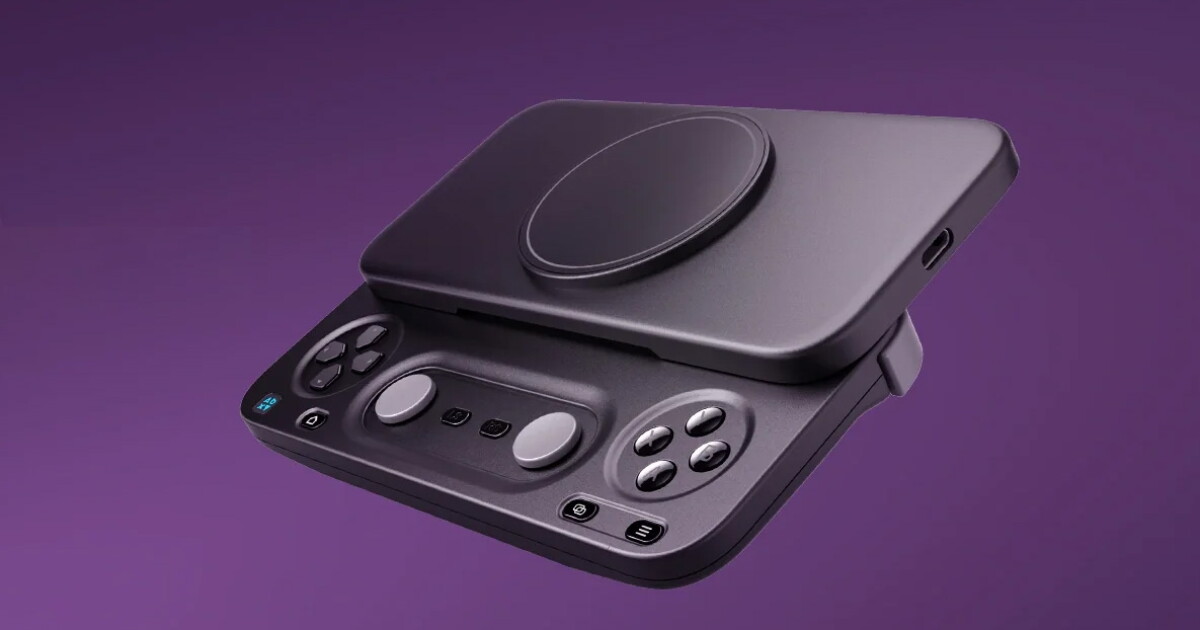
Gaming accessory manufacturer Abxylute unveiled two new mobile gaming controllers on Oct. 11, 2026, introducing the M5 and M6 hardware models designed to convert standard smartphones into portable gaming devices. According to reporting by technology writer Abhimanyu Ghoshal, the newly designed peripherals utilize a magnetic attachment system to secure the controllers to mobile devices while providing full-sized physical analog joysticks and traditional face buttons in a pocketable form factor. The dual release marks an effort by the hardware maker to address long-standing ergonomic and control precision limitations associated with capacitive touchscreen gaming on modern iOS and Android mobile platforms.
Key facts
What happened
Hardware manufacturer Abxylute formally detailed two portable gaming controllers, the M5 and the M6, aimed at expanding physical input options for smartphone users. As reported by Abhimanyu Ghoshal, the primary innovation of the product line centers on combining full-sized physical controls with a magnetic mounting framework that allows rapid installation and removal.
Touchscreen controls on mobile smartphones have historically presented challenges for complex gaming titles, as virtual on-screen d-pads and action buttons lack tactile feedback and obscure substantial portions of the display area. Abxylute's new M5 and M6 controllers attempt to resolve these issues by offering complete physical button layouts—including dual analog thumbsticks, directional pads, and shoulder buttons—that mirror the scale and feel of traditional console controllers rather than the miniaturized or cramped inputs common on portable mobile accessories.
The attachment mechanism relies on magnetic coupling to hold the smartphone securely in place between or against the controller sections. This structural approach differs from traditional spring-loaded telescopic clamps, which require users to stretch rigid structural arms around the ends of their mobile devices. By integrating magnetic mounting, the M5 and M6 aim to offer a more seamless attachment process that fits neatly into pockets for transport when not actively in use during mobile play sessions.
Why it matters
The introduction of the Abxylute M5 and M6 controllers comes at a critical juncture for the mobile gaming industry, which has grown to represent more than half of global video game revenue. While casual games designed specifically for touch inputs continue to thrive, mobile platforms are increasingly hosting complex AAA video game titles ported directly from home consoles and personal computers.
The expansion of cloud gaming infrastructure—including services such as Xbox Cloud Gaming, Nvidia GeForce NOW, Amazon Luna, and Sony PlayStation Remote Play—has turned high-end smartphones into capable screens for playing graphic-intensive games. However, these streamed titles were originally designed for traditional console hardware and require precise dual-analog input, full-sized shoulder triggers, and tactile button arrays. Standard touch controls often render complex maneuvers difficult or unresponsive, limiting the appeal of cloud gaming on mobile devices.
Furthermore, peripheral ergonomics play a central role in device adoption. Handheld gaming hardware has seen rapid growth following the release of the Nintendo Switch in March 2017 and the Valve Steam Deck in February 2022. While dedicated gaming handhelds feature integrated controls, they are often bulky, heavy, and require carrying a secondary electronic device. Mobile controllers like the M5 and M6 offer an alternative by leveraging the processing power, high refresh rates, and vibrant OLED displays already present in modern smartphones.
By focusing on compact, pocket-sized dimensions alongside full-sized joysticks, Abxylute is addressing a common complaint among mobile gamers: that existing clip-on controllers are either too bulky to carry without a dedicated bag or too cramped to use comfortably during extended gameplay sessions.
The background
The market for smartphone gaming peripherals has evolved through several distinct design paradigms over the past decade. Early accessories relied primarily on Bluetooth wireless connectivity paired with top-mounted phone clips. While versatile, these clip-on designs created unbalanced weight distribution, causing wrist strain during long sessions.
Subsequent hardware iterations introduced telescopic bridge designs, such as the Razer Kishi series and the Backbone One, which clamp onto both sides of a horizontal phone to replicate the form factor of the Nintendo Switch. While telescoping controllers established a popular standard for ergonomics, they frequently faced compatibility issues with protective phone cases, camera bump variations, and changing connector standards.
A major shift occurred when tech manufacturers adopted universal connectivity standards. Apple replaced its proprietary Lightning connector—which was introduced in September 2012—with the standardized USB-C interface across the iPhone 15 series in September 2023 and the iPhone 16 series in September 2024. This change allowed peripheral makers to manufacture unified hardware compatible with both Android devices and newer Apple smartphones without maintaining separate product lines.
Parallel to connector evolution was the widespread adoption of magnetic mounting technology. Apple introduced its MagSafe magnetic architecture with the iPhone 12 in October 2020, establishing an industry baseline for magnetic mobile accessories. The subsequent adoption of the Qi2 wireless charging standard by the Wireless Power Consortium brought similar magnetic alignment capabilities to broader Android hardware ecosystems.
Abxylute entered the hardware market as a specialized brand focused on handheld gaming solutions, having previously launched an Android-based cloud streaming handheld device following a successful crowdfunding campaign in early 2023. The development of the M5 and M6 represents an expansion from standalone streaming hardware into modular accessories designed to augment existing smartphone platforms.
Reaction
Following the product announcement, discussion among mobile hardware enthusiasts and gaming communities has focused on the practical implementation of magnetic mounting in active gaming environments. According to coverage by Abhimanyu Ghoshal, user interest centers on whether magnetic attachment can provide sufficient structural stability to prevent phone slippage during intense gameplay.
Industry analysts expect mobile gaming accessory competitors to closely monitor market reception to the M5 and M6 models. Dedicated peripheral brands including Backbone, Razer, and GameSir have largely relied on mechanical sliding bridges or physical USB-C plugs to maintain structural integrity. A successful implementation of magnetic controllers could prompt competing manufacturers to develop similar magnetic mounting solutions.
Official responses from platform developers such as Apple and Google, as well as major game publishers, have not been issued regarding specific software optimizations or native mapping profiles tailored for the M5 and M6 controllers. Mobile game developers generally rely on standardized controller APIs embedded in iOS and Android operating systems, which treat third-party controllers conforming to standard HID (Human Interface Device) specifications as generic gamepads.
What we don't know yet
Despite the product details provided in initial reporting, several key operational and commercial specifications regarding the Abxylute M5 and M6 remain unconfirmed:
What to watch
In the coming weeks and months, several key development milestones will determine the commercial impact and performance viability of the Abxylute M5 and M6 controllers:
This report is based on original news coverage published by technology reporter Abhimanyu Ghoshal on Oct. 11, 2026.
How this story was produced
This report was written by The Global Wire newsroom from reporting first published by Abhimanyu Ghoshal. We verify the core facts against the original report, write our own account, and add the background and consequences a short wire item leaves out. Drafting is AI-assisted inside an editor-supervised pipeline, and every story is checked for accuracy of attribution, structure and duplication before it appears — full detail in our AI and funding disclosure.
Spotted an error? Tell us at corrections@horizonglobalnews.com and read our corrections policy or editorial standards.



Reader comments
Loading comments…