

Heatwaves Strain European Power Grids as Nuclear Plants Face Water Shortages
Escalating summer heat across Europe is restricting the cooling water available for nuclear reactors, forcing utility operators to evaluate complete plant shutdowns.
By The Global Wire Newsroom · Reported from Joe Wilkins
Link preview · horizonglobalnews.com
Heatwaves Strain European Power Grids as Nuclear Plants Face Water Shortages
Escalating summer heat across Europe is restricting the cooling water available for nuclear reactors, forcing utility operators to evaluate complete plant shutdowns.
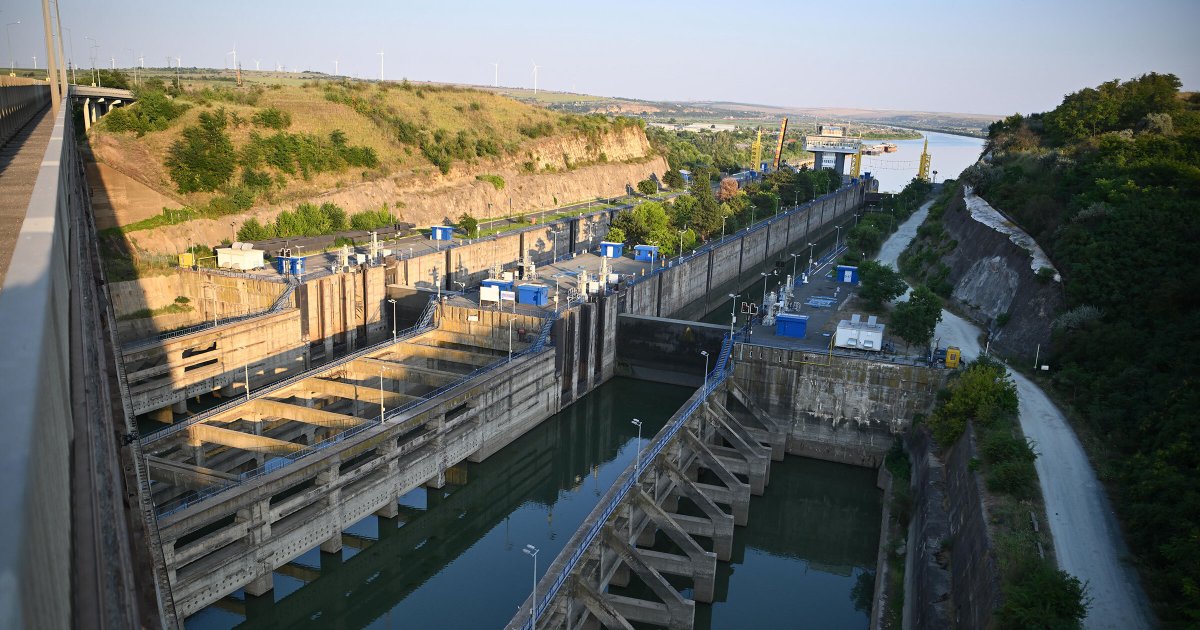
Nuclear power stations across Europe are facing severe operational challenges as rising summer temperatures and dwindling water supplies hamper their ability to cool reactors safely. Facility operators across the continent are being forced to evaluate power reductions or complete operational shutdowns as natural water sources critical to reactor thermal management reach critically low levels.
The situation highlights growing climate-related vulnerabilities in Europe's foundational energy infrastructure during periods of peak power demand, when electricity grids are already under heightened strain from air conditioning and cooling loads.
Escalating heat strains nuclear generation
According to reporting by Joe Wilkins, energy providers are reaching technical limits as ambient heat severely impacts the availability and temperature of water supplies required for nuclear facilities. Nuclear power stations rely on continuous streams of cold water drawn from adjacent rivers, lakes, or coastal regions to absorb excess heat generated during the thermal process of electricity production. When regional temperatures surge and prolonged dry conditions reduce river flows, the remaining water often becomes too scarce or too warm to effectively service reactor cooling systems.
To maintain safety standards and adhere to strict regulatory guidelines, plant managers closely monitor the temperature of intake water as well as the water discharged back into local ecosystems. As environmental conditions worsen, operators face complex decisions regarding grid stability and safety thresholds. The prospect of taking major generation facilities offline arrives at the precise moment when national energy demand surges, creating compounding challenges for electricity distribution networks.
Mechanics of reactor thermal cooling
Nuclear power plants generate electricity through controlled atomic fission, which produces substantial thermal energy. This heat converts water into high-pressure steam, which drives turbines to produce power. Once the steam passes through the turbines, it must be cooled and condensed back into liquid form before returning to the boiler loop. This condensation process relies on a secondary cooling circuit that draws volume directly from external water bodies.
When external water sources fall below required volume thresholds or exceed predefined thermal parameters, the efficiency of the condensation process declines. Warm intake water reduces the heat-absorption capacity of the secondary cooling loop, causing internal operating temperatures to climb toward regulatory safety limits. Operating under high thermal conditions can degrade equipment, lower generation efficiency, and risk non-compliance with atomic safety standards.
Under standard operational protocols, when cooling thresholds are approached, plant engineers first lower reactor generation capacity to reduce the amount of heat produced. However, as reporting by Joe Wilkins indicates, current conditions in Europe are proving severe enough that partial capacity reductions may not suffice, forcing operators to consider turning reactors off entirely until environmental conditions cool down.
Environmental regulations and river health
Beyond internal engineering requirements, nuclear facilities must comply with strict environmental regulations designed to protect aquatic ecosystems. When cooling water completes its cycle through a plant, it is discharged back into its source river or lake at an elevated temperature. Environmental frameworks place strict legal limits on maximum discharge temperatures to prevent thermal pollution, which can cause severe harm to local fish populations, disrupt aquatic habitats, and foster toxic algal growth.
During periods of drought or low river flow, smaller volumes of natural water are less capable of absorbing heat discharges without experiencing significant temperature spikes. Consequently, even if a plant maintains sufficient mechanical capacity to operate, regulatory restrictions on discharge temperatures can legally mandate immediate output reductions or complete shutdowns to prevent ecological damage to local waterways.
These environmental protections create a distinct operational dilemma during severe heatwaves. While energy authorities seek to maximize electricity generation to maintain grid supply, legal environmental safeguards mandate curtailments at some of the continent's largest baseline generation facilities.
Systemic vulnerabilities in regional energy security
The potential shutdown of nuclear capacity exposes broader vulnerabilities across Europe's integrated energy network. Nuclear power functions as a core source of baseload electricity across several European nations, providing steady power that supports overall grid frequency and stability. Unlike solar power, which generates during daylight hours, or wind energy, which depends on local weather patterns, nuclear facilities are designed to deliver predictable, continuous output.
When thermal constraints force nuclear reactors offline, grid operators must rapidly secure alternative power sources to avoid supply deficits. In many cases, missing nuclear output must be replaced by spinning up natural gas generation or importing electricity from neighboring national grids. This shift can cause wholesale energy prices to rise and temporarily elevate carbon emissions, counteracting regional environmental targets.
Because extreme heatwaves frequently span multiple European nations simultaneously, regional power-sharing arrangements face severe pressure. When multiple grid operators experience concurrent generation shortfalls alongside elevated domestic demand, cross-border transmission lines operate near maximum physical capacity.
Future infrastructure adaptations
The recurring issue of cooling water shortages has driven expanded debate among energy analysts, regulatory bodies, and utility companies regarding the long-term resilience of thermal power generation. Climate projections indicate that high summer temperatures, prolonged periods of low rainfall, and diminished seasonal river flows are likely to recur across Western and Central Europe in the coming decades.
In response to these conditions, utility companies and engineering firms are studying potential structural modifications to adapt nuclear infrastructure. Proposed solutions include constructing closed-loop cooling towers that consume less total water, building offshore intake pipelines to access cooler ocean waters, and installing industrial cooling systems to lower intake temperatures artificially. However, retrofitting existing inland plants involves high capital costs and extended regulatory approval timelines.
Until large-scale structural modifications are broadly implemented, regional energy authorities remain dependent on temporary operational adjustments, generation curtailments, and seasonal risk management to navigate periods of high thermal stress.
This article is based on original reporting by Joe Wilkins.
How this story was produced
This report was written by The Global Wire newsroom from reporting first published by Joe Wilkins. We verify the core facts against the original report, write our own account, and add the background and consequences a short wire item leaves out. Drafting is AI-assisted inside an editor-supervised pipeline, and every story is checked for accuracy of attribution, structure and duplication before it appears — full detail in our AI and funding disclosure.
Spotted an error? Tell us at corrections@horizonglobalnews.com and read our corrections policy or editorial standards.

Reader comments
Loading comments…