

Fecal Microbiota Transplant Shows Early Promise for Treating Human Food Allergies
Initial results from clinical evaluations of fecal transplants offer potential new avenues for food allergy treatment, a field currently hampered by limited options.
By The Global Wire Newsroom · Reported from Chen; Edward
Link preview · horizonglobalnews.com
Fecal Microbiota Transplant Shows Early Promise for Treating Human Food Allergies
Initial results from clinical evaluations of fecal transplants offer potential new avenues for food allergy treatment, a field currently hampered by limited options.
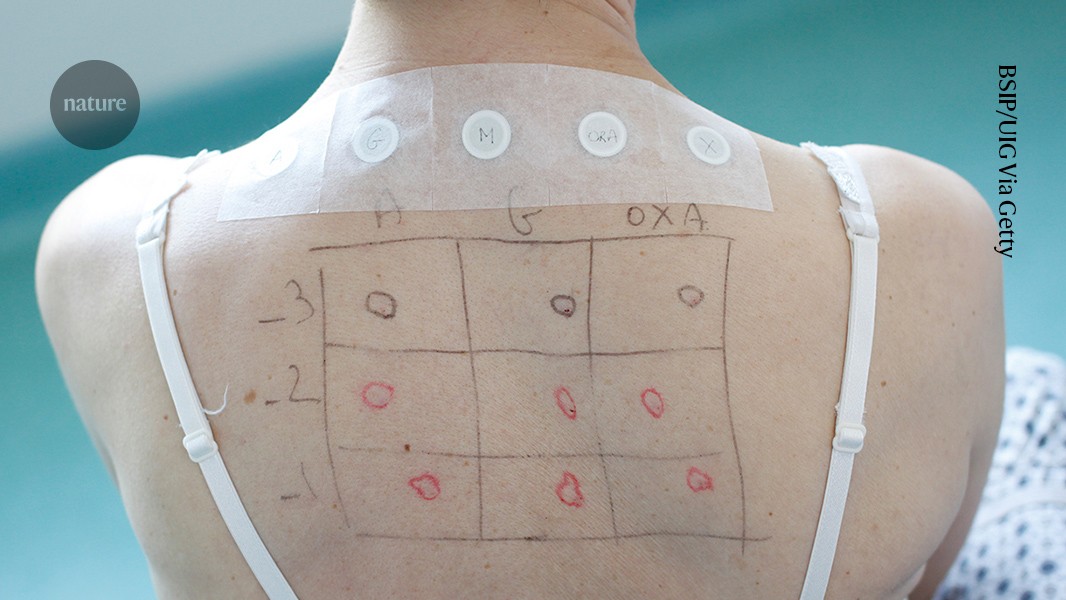
A novel clinical approach utilizing fecal microbiota transplantation to treat human food allergies has produced encouraging preliminary results, opening up potential new therapeutic pathways for a medical condition long constrained by narrow intervention options, according to reporting by Edward Chen. The clinical evaluation marks the first time a donor-derived bacterial transfer has been tested in human subjects specifically as a treatment for food sensitivities. While traditional management of food allergies relies primarily on strict dietary avoidance and emergency intervention following accidental exposure, researchers have increasingly turned toward gut health and bacterial diversity as potential keys to modulating the body's immune response to common allergens.
Broadening the Medical Approach to Food Allergies
Food allergies represent a major global public health concern, affecting millions of children and adults worldwide. The human immune system in individuals with food allergies incorrectly identifies benign proteins—such as those found in peanuts, milk, eggs, shellfish, tree nuts, wheat, and soy—as hazardous invaders. This misidentification triggers an immunoglobulin E (IgE) mediated cascade, leading to symptoms ranging from mild hives and gastrointestinal distress to severe, life-threatening anaphylaxis.
Despite the high prevalence and potentially severe outcomes associated with food allergies, standard medical options remain notably limited. Historically, the primary recommendation from healthcare providers has been strict avoidance of the trigger food, coupled with the prescription of injectable epinephrine for use during accidental exposure. While emergency epinephrine can halt anaphylactic reactions, it serves as a reactive measure rather than a preventative or curative therapy.
In recent years, oral immunotherapy (OIT) has emerged as an approved management strategy for certain allergies, particularly peanut allergy. OIT involves administering gradually increasing, microscopic doses of the allergen under strict medical supervision to build a degree of clinical desensitization. However, oral immunotherapy requires long-term commitment, carries a risk of triggering allergic reactions during dosing, and often fails to confer permanent tolerance once daily administration ceases. Consequently, the medical community continues to search for scalable interventions that target the underlying cellular mechanisms driving immune hyperreactivity.
The Science of Fecal Microbiota Transplantation
Fecal microbiota transplantation, commonly referred to as FMT, involves transferring processed stool from a healthy donor into the gastrointestinal tract of a recipient. The core objective of FMT is to restore a balanced and diverse gut microbial community, known as the gut microbiome, in patients suffering from dysbiosis—an imbalance or deficiency in beneficial gut bacteria.
The procedure gained widespread mainstream medical acceptance as a highly effective treatment for recurrent Clostridioides difficile (C. diff) infections, a severe bacterial condition often triggered by heavy antibiotic use that disrupts normal intestinal flora. In C. diff treatment, FMT has demonstrated high success rates, establishing the procedure as a viable medical tool for ecological restoration within the human gut.
Following its success in gastroenterology, researchers began exploring FMT as an experimental therapy for metabolic disorders, inflammatory bowel disease, autoimmune conditions, and systemic immune dysregulation. Because the gut microbiome plays a foundational role in educating and regulating the human immune system, altered microbial populations have been consistently linked to the rising incidence of allergic diseases in modern populations.
Connecting the Gut Microbiome to Immune Tolerance
The biological rationale for using fecal transplants to treat food allergies relies on the intricate relationship between intestinal bacteria and mucosal immunity. The human gut houses trillions of microorganisms, including bacteria, fungi, and viruses, which interact continuously with dense networks of immune cells lining the intestinal wall.
Specific strains of gut bacteria produce short-chain fatty acids, such as butyrate, through the fermentation of dietary fiber. These short-chain fatty acids are critical for promoting the development and activity of regulatory T cells, a specialized subset of immune cells responsible for suppressing autoimmune responses and maintaining immune tolerance. In individuals with food allergies, studies have observed altered gut microbiome profiles characterized by lower bacterial diversity and reduced populations of beneficial short-chain fatty acid-producing species.
By introducing a diverse, healthy microbial ecosystem through FMT, researchers aim to repair disrupted intestinal barrier function and stimulate regulatory T cell activity. In theory, recalibrating the gut environment can tone down hyperactive IgE responses and encourage systemic immune tolerance to previously reactive food proteins.
Evaluating Early Human Clinical Results
The recent application of FMT to human food allergy patients represents a transition from laboratory and animal models to clinical human research, according to reporting by Edward Chen. Prior pre-clinical studies in mice had indicated that transferring microbiota from healthy human donors could protect germ-free mice from developing severe allergic reactions when exposed to food allergens.
Translating these findings into human clinical settings required demonstrating both safety and biological efficacy. The preliminary results described in the report as encouraging suggest that altering the host microbiome can positively influence how human allergic pathways respond to dietary triggers. Given that existing treatments for food allergy are limited, any intervention capable of safely modifying underlying allergic sensitivity represents a notable development in clinical immunology.
Medical specialists emphasize that while early outcomes are promising, FMT for food allergies remains an experimental therapy. Clinical trials evaluate various primary endpoints, including changes in the maximum tolerated dose of an allergen during standardized oral food challenges, shifts in allergen-specific antibody levels, and changes in circulating inflammatory markers.
Safety Protocols and Research Challenges
Despite the promise shown in initial trials, the widespread adoption of FMT for food allergies faces technical, regulatory, and safety considerations. Fecal material is inherently complex and variable, making standardized dosing and predictable outcomes more challenging compared to conventional pharmaceutical drugs.
Donor screening is one of the most critical aspects of FMT research. Potential donors undergo rigorous medical testing to screen for infectious pathogens, metabolic conditions, autoimmune disorders, and potential exposure to antibiotics. To eliminate the risk of inadvertently transferring food proteins to allergic recipients, donors must also adhere to strict dietary restrictions prior to stool collection.
Furthermore, the method of delivery remains a subject of ongoing clinical refining. Early FMT procedures typically required invasive routes such as colonoscopy, sigmoidoscopy, or nasoduodenal tubes. Modern clinical trials increasingly utilize oral, freeze-dried, or frozen microencapsulated capsules, which can survive stomach acid and release beneficial bacteria directly into the intestines, offering a non-invasive administration method for clinical trials.
What Comes Next for Microbiome Therapeutics
Looking forward, researchers and clinicians will monitor ongoing human trials to determine the long-term durability of FMT-induced immune tolerance. Key unanswered questions include how long the transplanted donor bacteria persist in the host gut, whether booster treatments are required, and which specific bacterial strains are most effective at promoting allergen tolerance.
If larger, randomized, placebo-controlled trials confirm the safety and efficacy of FMT, the therapeutic landscape could evolve toward targeted microbial therapies. Rather than using whole-stool transfers, future treatments may rely on synthetic, well-defined consortia of laboratory-grown bacterial strains tailored specifically to reset allergic immune pathways.
For millions living with severe food allergies, the shift toward microbiome-targeted therapies offers hope for treatments that move beyond daily avoidance and reactive care, according to reporting by Edward Chen.
This report incorporates information originally reported by Edward Chen.
How this story was produced
This report was written by The Global Wire newsroom from reporting first published by Chen; Edward. We verify the core facts against the original report, write our own account, and add the background and consequences a short wire item leaves out. Drafting is AI-assisted inside an editor-supervised pipeline, and every story is checked for accuracy of attribution, structure and duplication before it appears — full detail in our AI and funding disclosure.
Spotted an error? Tell us at corrections@horizonglobalnews.com and read our corrections policy or editorial standards.


Reader comments
Loading comments…