

Dr. Dre Acknowledges Using AI in Music Production as Industry Adoption Grows
Grammy-winning producers Dr. Dre and Timbaland have been linked to artificial intelligence tools, signaling a major shift in how top-tier hitmakers approach studio composition.
By The Global Wire Newsroom · Reported from Ece Yildirim
Link preview · horizonglobalnews.com
Dr. Dre Acknowledges Using AI in Music Production as Industry Adoption Grows
Grammy-winning producers Dr. Dre and Timbaland have been linked to artificial intelligence tools, signaling a major shift in how top-tier hitmakers approach studio composition.
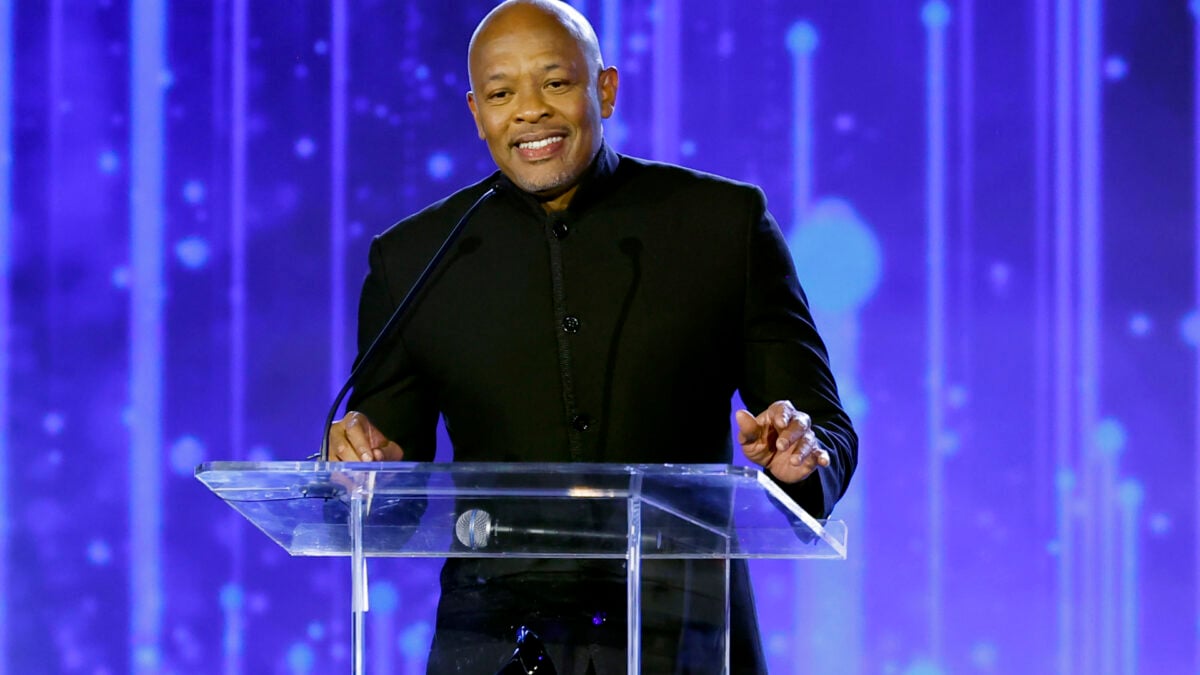
Hip-hop producer and multi-Grammy Award winner Dr. Dre has publicly acknowledged using artificial intelligence technologies in his music production process, representing one of the most prominent endorsements of machine-learning tools by an elite record producer to date. In coverage published by Ece Yildirim on August 23, 2026, it was also revealed that fellow Grammy-winning producer Timbaland is allegedly a covert user of artificial intelligence software within his own creative workflow. The admissions bring renewed attention to the rapid integration of algorithmic software into mainstream audio engineering and composition, highlighting how veteran hitmakers are quietly adopting digital tools that remain controversial across the global record industry.
Key facts
What happened
In reporting released on August 23, 2026, journalist Ece Yildirim disclosed that legendary hip-hop figure Dr. Dre uses artificial intelligence applications as part of his song production setup. The report detailed how the super-producer, whose career spans four decades of defining West Coast hip-hop soundscapes, has incorporated machine-learning utilities into his studio operations.
Additionally, reporting by Ece Yildirim cited allegations that producer Timbaland—a pioneer of late-1990s and 2000s R&B and pop production—is operating as a "closet AI user." The description suggests that while some high-profile creators have been hesitant to publicly champion algorithmic music generation due to artistic stigma or legal uncertainty, software powered by neural networks is already actively utilized behind closed studio doors by industry veterans.
While the reporting did not detail the specific software suites or plugin chains utilized in either producer's studio setup, modern AI production software encompasses a wide range of capabilities. These tools include stem separation algorithms that isolate drums or vocals from existing audio tracks, neural synth generators that create customized sound patches, predictive MIDI arrangement assistants, and voice synthesis engines capable of generating melodic reference tracks.
Why it matters
The public confirmation that a producer of Dr. Dre's stature uses artificial intelligence represents a pivotal moment in the cultural and technical evolution of modern recorded music. For decades, Dr. Dre has been regarded as a perfectionist sound architect whose classic albums—including "The Chronic" and "2001"—set benchmark standards for mixing, engineering, and sonic warmth in popular music. His adoption of machine-learning tools lends significant industry credibility to a technology often dismissed by critics as a low-quality replacement for human musicianship.
Similarly, the revelation concerning Timbaland underscores the reality that artificial intelligence is no longer restricted to experimental tech demos or amateur online beatmakers. Timbaland's signature sound, built on intricate syncopated drum programming and unusual sonic samples, helped define multi-platinum records for artists such as Missy Elliott, Jay-Z, Justin Timberlake, and Nelly Furtado. If leading sound designers of this caliber are leveraging AI plugins, it indicates that algorithmic tools are rapidly becoming standardized components of modern commercial recording workflows.
This trend carries profound economic and legal implications for the broader music ecosystem. If elite producers rely on AI to generate melodic hooks, isolate samples, or master tracks, the financial structure of songwriting royalties, producer points, and session musician fees faces structural disruption. Furthermore, as major record companies attempt to protect their intellectual property from unauthorized AI model training, the open adoption of these tools by their top roster producers complicates the narrative surrounding copyright enforcement and artistic authenticity.
The background
Music production has historically evolved through waves of technological disruption, often accompanied by initial industry resistance followed by universal adoption. In the late 1970s and 1980s, the introduction of digital drum machines and hardware samplers such as the E-mu SP-1200 and Akai MPC series sparked intense debates over whether sampling existing recordings constituted genuine musicianship. Those technologies ultimately laid the foundation for hip-hop, electronic dance music, and modern pop composition.
In the late 1990s, the arrival of pitch-correction software such as Antares Auto-Tune and digital audio workstations (DAWs) like Pro Tools transformed recording studios worldwide. While initially criticized for altering natural vocal performance, pitch correction and digital editing became ubiquitous standards across virtually every genre of commercial music.
The current wave of generative artificial intelligence in music gained global momentum between 2023 and 2025 with the commercial launch of deep-learning audio platforms like Suno, Udio, and specialized voice-cloning software. A seminal moment occurred in April 2023 when an anonymous creator named Ghostwriter released "Heart on My Sleeve," a viral song featuring synthetic vocal clones of Drake and The Weeknd. The track generated tens of millions of streams before major labels, led by Universal Music Group, forced its removal from streaming services on copyright grounds.
In response to these developments, institutional bodies moved to establish regulatory boundaries. The Recording Academy, which oversees the Grammy Awards, updated its official handbook in 2023 to specify that while works incorporating AI components are eligible for award consideration, the human authorial contribution must be meaningful and demonstrable. A purely machine-generated recording without human authorship cannot win or be nominated for a Grammy Award. Concurrently, major music publishers and trade organizations like the Recording Industry Association of America (RIAA) launched high-profile lawsuits against generative AI audio developers, alleging widespread copyright infringement during model training.
Reaction
The disclosure regarding Dr. Dre and Timbaland is anticipated to generate sharp reactions across the music recording community, engineering guilds, and digital copyright circles. Historically, studio engineers and veteran songwriters have expressed mixed views regarding generative audio software. While some view machine-learning utilities as efficient time-savers for tedious studio tasks like noise reduction and stem separation, others fear that generative beat-making software threatens the livelihood of entry-level songwriters, studio engineers, and instrumentalists.
Industry advocacy groups, such as the Human Artistry Campaign—a coalition formed by music unions and copyright organizations—have consistently called for strict disclosure standards regarding AI usage in commercial releases. They argue that listeners, streaming platforms, and royalty administrators must be informed when synthetic assets are utilized in creative projects.
Conversely, technology advocates and digital music startup founders are likely to cite Dr. Dre's endorsement as proof that artificial intelligence serves as an empowering creative instrument rather than a threat to human artistry. Neither Dr. Dre nor Timbaland's representatives have issued formal public follow-up statements expanding on the details reported by Ece Yildirim, nor have major record labels issued official commentary regarding the specific tracks produced using these methods.
What we don't know yet
Crucial operational details remain unknown regarding the exact nature of the artificial intelligence tools utilized by Dr. Dre and Timbaland. The reporting by Ece Yildirim does not specify whether the producers are employing off-the-shelf commercial applications, specialized digital audio workstation plugins, or custom proprietary neural networks developed specifically for their private studio networks.
It is also unclear which specific songs, albums, or commercial releases in either producer's extensive catalog contain AI-generated or AI-assisted elements. Without detailed liner notes or metadata disclosures, listeners and industry analysts cannot identify where traditional human instrumentation ends and algorithmic processing begins. Furthermore, it remains unknown whether these production workflows involve voice synthesis, automated composition, or strictly technical engineering functions such as audio restoration and stem extraction. The degree to which major record labels were made aware of AI usage during the master recording delivery process also remains unconfirmed.
What to watch
Moving forward, industry observers will closely monitor upcoming project credits and liner notes from Dr. Dre and Timbaland for explicit mentions of AI software or technical attribution. Upcoming commercial album releases, including long-anticipated collaborative projects associated with Aftermath Entertainment or Timbaland's Mosley Music Group, will serve as primary reference points for potential metadata disclosures.
On the regulatory and legal front, federal court proceedings in the United States involving major record labels and generative AI platforms will dictate how training data rights and output licensing are handled. Lawmakers in Washington and European regulatory bodies are also considering legislation, such as proposed federal right-of-publicity statutes, that could mandate clear labeling for synthetic media. Additionally, the Recording Academy's ongoing review of submission guidelines for future Grammy Award cycles will be a critical indicator of how the industry formalizes the boundary between human creativity and artificial intelligence assistance.
This news report is based on original reporting published by Ece Yildirim on August 23, 2026.
How this story was produced
This report was written by The Global Wire newsroom from reporting first published by Ece Yildirim. We verify the core facts against the original report, write our own account, and add the background and consequences a short wire item leaves out. Drafting is AI-assisted inside an editor-supervised pipeline, and every story is checked for accuracy of attribution, structure and duplication before it appears — full detail in our AI and funding disclosure.
Spotted an error? Tell us at corrections@horizonglobalnews.com and read our corrections policy or editorial standards.
Reader comments
Loading comments…