

Beaver Reintroduction Programs Drive Expansion of Wetlands to Combat Regional Drought
Research shows that reintroducing beavers into wild habitats increases wetland areas, creating natural water reservoirs that help mitigate drought conditions.
By The Global Wire Newsroom · Reported from Zhara Simpson
Link preview · horizonglobalnews.com
Beaver Reintroduction Programs Drive Expansion of Wetlands to Combat Regional Drought
Research shows that reintroducing beavers into wild habitats increases wetland areas, creating natural water reservoirs that help mitigate drought conditions.
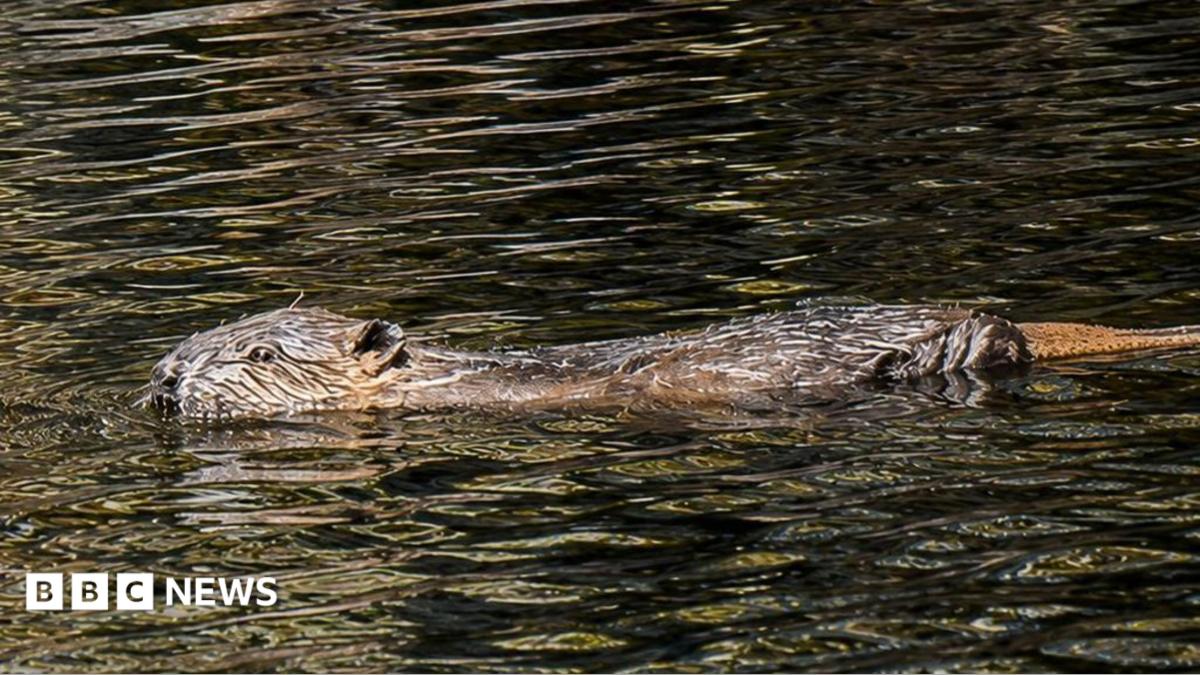
Wildlife reintroduction initiatives featuring beavers are driving a measurable expansion of wetland environments, offering a natural defense against worsening drought conditions, according to research reported by Zhara Simpson. The findings highlight the significant impact of the semi-aquatic mammals as ecological engineers, whose dam-building activities alter local hydrological landscapes. By retaining surface water, raising ground moisture levels, and stabilizing stream flows, reestablished beaver populations are converting dry watercourses into vibrant, resilient wetland complexes across areas suffering from extended water shortages.
Expanded wetlands and drought mitigation
The research covered by Zhara Simpson demonstrates that the return of wild beaver populations directly correlates with a distinct increase in total wetland surface area. When beavers settle along streams and rivers, their natural instinct to construct barriers out of wood, mud, and vegetation slows down the passage of water. This process turns fast-flowing, linear channels into interconnected systems of ponds, flooded meadows, and marshlands.
These expanded wetland areas function as crucial sponges within the regional water cycle. During periods of low precipitation, the retained water slowly percolates through the surrounding soil rather than rapidly washing downstream. By trapping winter snowmelt and seasonal rainfall, beaver-engineered wetlands sustain elevated water tables well into the summer months. This prolonged storage of freshwater helps buffer local ecosystems and agricultural lands against the harsh effects of seasonal drought.
Hydrological mechanics of beaver engineering
The physical mechanism behind this wetland creation lies in the unique construction techniques of the animals. Beaver dams reduce stream velocity, forcing running water to spread laterally across the adjacent floodplain. As the water slows, suspended sediments and organic debris settle to the riverbed, gradually raising the channel floor and expanding the lateral reach of the watercourse.
In addition to building dams, beavers dig extensive networks of underwater channels to navigate their territory safely and transport food and wood. These excavated pathways act as conduits that distribute water deep into the surrounding soil, further widening the boundary of saturated land. The resulting landscape feature—a dynamic mosaic of standing water, saturated mud, and dense aquatic vegetation—drastically alters the local microclimate and hydrology. This structural complexity slows the overall movement of water through the watershed, ensuring that moisture remains in the headwaters long after precipitation events have passed.
Historical decline and reintroduction efforts
The recent expansion of wetland areas marks a sharp departure from historic environmental trends across many parts of the world. Centuries of intensive trapping for the fur trade, combined with widespread land drainage for agriculture and urban development, systematically removed beaver populations from vast swathes of their native ranges. The absence of these biological engineers led to severe channel incision, dried-up floodplains, and the widespread loss of historic wetland habitats.
In response to growing environmental degradation, wildlife authorities and conservation organizations have increasingly prioritized beaver reintroduction projects in recent years. As highlighted in reporting by Zhara Simpson, bringing these animals back to wild habitats has proven to be an effective strategy for habitat restoration. Where reintroductions have occurred, land monitoring shows a swift rebound in local water retention and the natural regeneration of complex wetland systems that had been missing for generations.
Broader ecological and climate benefits
Beyond alleviating drought, the creation of expansive wetland areas delivers a range of wider ecological benefits. Beaver-created wetlands act as biological hotspots, providing habitat for diverse animal species, including fish, amphibians, migratory birds, and insects. The slow-moving, nutrient-rich waters create ideal nursery conditions for aquatic life, boosting regional biodiversity.
Furthermore, these wetlands contribute significantly to wildfire resilience and soil conservation. The deep moisture reserves maintained by beaver activity create lush, green corridors within otherwise dry landscapes. These saturated zones can act as natural firebreaks during severe fire seasons, while also providing safe sanctuary for wildlife fleeing flames. The vegetation and complex root systems within these wetlands also trap carbon and prevent soil erosion, keeping nutrient-rich sediment from being washed away during heavy storms.
Land management and coexistence
Although the creation of new wetland areas provides notable environmental advantages, the return of beavers can sometimes create management challenges when their activities overlap with human land use. Beaver dams can cause localized flooding that impacts roads, agricultural fields, or commercial timber stands, occasionally leading to conflict with property owners.
To address these concerns while preserving the hydrological benefits identified in recent research, resource managers are deploying specialized mitigation infrastructure. Flow control devices, often called flow levelers, can be installed through beaver dams to maintain water levels at safe thresholds without frustrating the animals into abandoning the site. These non-lethal management strategies allow human communities to coexist with beaver populations, ensuring that the critical wetland expansion and drought-reduction benefits reported by Zhara Simpson can continue without damaging local infrastructure.
Future outlook for watershed restoration
As climate change continues to increase the frequency and severity of droughts worldwide, the role of natural ecosystem engineers is gaining greater prominence in water management policy. Environmental agencies are increasingly factoring beaver reintroduction into long-term climate adaptation and drought mitigation plans.
The research detailed by Zhara Simpson underscores the potential for biological restoration to complement traditional civil engineering in addressing water scarcity. By allowing natural wetland systems to regenerate through beaver activity, land managers can improve overall watershed health and build long-term drought resilience. Continued monitoring of reintroduced populations will help researchers and policymakers refine restoration techniques and maximize the natural water storage capacities of river basins globally.
This report is based on original news reporting by Zhara Simpson.
How this story was produced
This report was written by The Global Wire newsroom from reporting first published by Zhara Simpson. We verify the core facts against the original report, write our own account, and add the background and consequences a short wire item leaves out. Drafting is AI-assisted inside an editor-supervised pipeline, and every story is checked for accuracy of attribution, structure and duplication before it appears — full detail in our AI and funding disclosure.
Spotted an error? Tell us at corrections@horizonglobalnews.com and read our corrections policy or editorial standards.


Reader comments
Loading comments…