

Autonomous Hybrid Vehicles Set to Transform US Army Supply Logistics
Hybrid autonomous defense vehicles designed to transport resupply loads to forward troops aim to enhance operational efficiency while lowering risk to human personnel in high-threat zones.
By The Global Wire Newsroom · Reported from Prabhat Ranjan Mishra
Link preview · horizonglobalnews.com
Autonomous Hybrid Vehicles Set to Transform US Army Supply Logistics
Hybrid autonomous defense vehicles designed to transport resupply loads to forward troops aim to enhance operational efficiency while lowering risk to human personnel in high-threat zones.
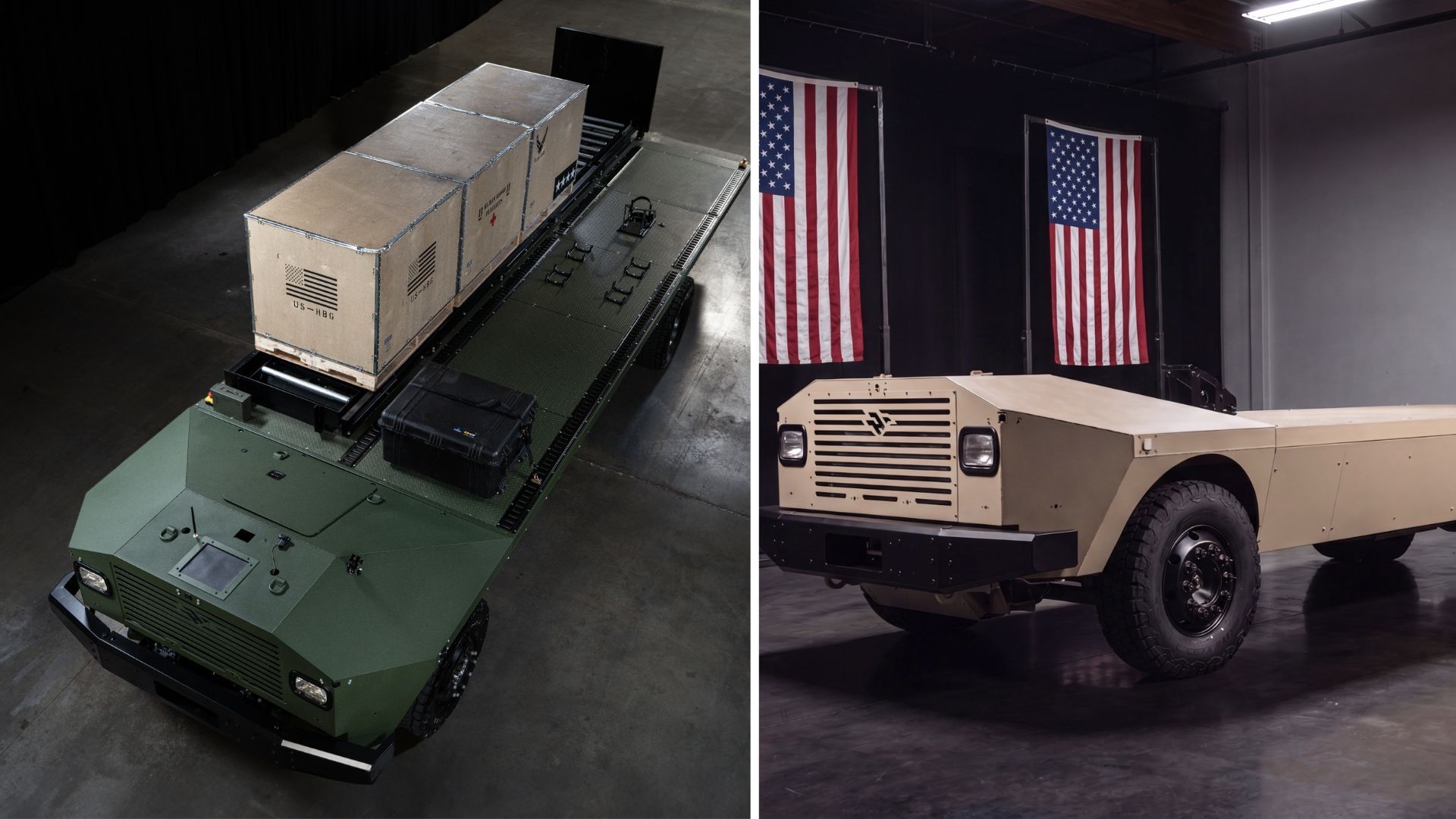
The United States Army is preparing to field autonomous hybrid defense vehicles designed to sustain ground forces operating on the front lines of conflict, marking a major step in the integration of robotic technology into military supply chains. The uncrewed platforms are engineered to independently transport critical supplies to and from the forward line of troops, establishing a continuous resupply capability in hazardous environments. According to reporting by Prabhat Ranjan Mishra, the introduction of these automated logistics systems is expected to drastically lower the danger faced by military personnel while simultaneously improving operational efficiency across contested war zones.
Automated Logistics at the Forward Line
The forward line of troops represents the foremost position where military forces are actively engaged with or directly facing an opposing force. Maintaining a steady flow of essential materials—such as ammunition, fuel, battery charges, food, and medical kits—to these positions is one of the most demanding tasks in ground warfare. Under traditional operational frameworks, resupply missions require human-crewed trucks or armored personnel carriers to travel through routes exposed to hostile observation and direct fire.
The introduction of autonomous hybrid platforms shifts this operational burden away from human crews. By leveraging automated navigation and remote monitoring capabilities, these vehicles can deliver payloads across treacherous terrain without exposing drivers and convoy operators to direct battlefield risks. According to reporting by Prabhat Ranjan Mishra, the vehicles are specifically developed to execute supply deliveries directly to units at the edge of the battlespace, ensuring that combat forces maintain their readiness without diverting frontline personnel to conduct transport missions.
Reducing Hazards to Human Personnel
Historically, ground transportation and convoy operations have accounted for a significant proportion of casualties in modern combat operations. Supply lines stretching from rear staging areas to forward positions are inherently vulnerable to ambushes, anti-vehicle mines, improvised explosive devices, and aerial threats such as uncrewed aerial vehicles or precision-guided munitions. Removing human drivers from these transit routes fundamentally alters the safety landscape for ground commanders.
When autonomous supply vehicles encounter hazardous conditions or targeted attacks, the primary operational loss is restricted to matériel and equipment rather than human life. This reduction in physical risk allows military planners to execute essential supply movements in high-threat corridors that might otherwise be deemed too dangerous for crewed operations. Furthermore, decreasing the manpower required for routine logistical transit allows forces to redeploy personnel toward tactical, command, or defensive duties, maximizing the functional utility of available troops in active zones.
Hybrid Propulsion in Defense Operations
The incorporation of hybrid propulsion technology into these autonomous defense vehicles offers several strategic advantages over conventional internal combustion engines. Hybrid drive systems combine traditional liquid-fuel engines with electric propulsion and battery storage. In defense applications, this configuration substantially increases fuel efficiency, reducing the overall volume of petroleum products that must be transported into combat areas to sustain ground operations.
In addition to improved fuel economy, hybrid drive systems provide enhanced tactical capabilities, including silent operation and reduced thermal signatures. Electric-only drive modes allow uncrewed ground vehicles to navigate forward sectors with minimal acoustic noise, making them harder to detect by enemy acoustic sensors or listening posts. Lower heat emissions from electric drives also reduce visibility against infrared and thermal imaging devices commonly used by opposing forces for target acquisition. This combination of range, efficiency, and reduced signature expands the operational envelope of autonomous resupply missions.
Increasing Efficiency in Contested Environments
Modern combat environments are increasingly characterized by high levels of contestation, where adversaries utilize electronic warfare, artillery, long-range fires, and surveillance assets to disrupt standard military logistics. Operating effectively under such conditions requires high operational tempo and flexibility. Autonomous hybrid vehicles enhance logistics efficiency by maintaining continuous support cycles that are not limited by driver fatigue, mandated rest periods, or shifts in human visibility during nighttime operations.
Automated platforms can be programmed to operate around the clock, conducting supply runs during optimal tactical windows, such as severe weather or periods of heavy darkness, when human-driven vehicles face elevated navigation risks. The ability to run steady, predictable, or randomized resupply patterns optimizes the movement of inventory, reducing reliance on massive, easily targeted forward supply depots. By dispersing logistical nodes and utilizing autonomous transit, forces can preserve tactical momentum while maintaining necessary stockpiles at the immediate edge of engagement.
Strategic Context and Force Modernization
The adoption of autonomous hybrid supply vehicles aligns with broader global defense strategies focused on ground force modernization and human-machine integration. Defense organizations worldwide are prioritizing the development of uncrewed platforms to complement human-crewed fighting systems, creating combined-arms teams that leverage the strengths of both automated hardware and human decision-making.
As artificial intelligence and automated navigation software continue to advance, ground vehicles are increasingly capable of making complex routing decisions, avoiding obstacles, and adapting to dynamic battlefield conditions without requiring constant human intervention. In contested command-and-control environments where radio signals or satellite positioning may be jammed or degraded, autonomous systems capable of onboard processing offer crucial operational resilience. The integration of these vehicles reflects an industry-wide transition toward modular, multi-domain support architectures designed for high-intensity warfare.
Operational Outlook
As the US Army continues to test and field these hybrid autonomous platforms, operational focus will likely center on refining control interfaces, integrating payload handling systems, and establishing standardized doctrine for human-machine logistical operations. Ensuring seamless communication between autonomous supply units and forward infantry or armored elements remains a key priority for tactical success.
Future developments will also address maintenance, field repair, and software integration to ensure these vehicles can function reliably within existing defense networks. By establishing a robust, uncrewed logistics capability, military leadership aims to create a more resilient and flexible supply chain capable of sustaining operations across highly contested ground environments.
This report incorporates information originally reported by Prabhat Ranjan Mishra.
How this story was produced
This report was written by The Global Wire newsroom from reporting first published by Prabhat Ranjan Mishra. We verify the core facts against the original report, write our own account, and add the background and consequences a short wire item leaves out. Drafting is AI-assisted inside an editor-supervised pipeline, and every story is checked for accuracy of attribution, structure and duplication before it appears — full detail in our AI and funding disclosure.
Spotted an error? Tell us at corrections@horizonglobalnews.com and read our corrections policy or editorial standards.
Reader comments
Loading comments…