

Arctic Temperatures Hit 90 Degrees as Polar Warming Outpaces Global Average
New observational data highlight the severe pace of warming in northern high latitudes, triggering concerns over sea ice loss, permafrost thaw, and global weather impacts.
By The Global Wire Newsroom · Reported from Jackie Flynn Mogensen
Link preview · horizonglobalnews.com
Arctic Temperatures Hit 90 Degrees as Polar Warming Outpaces Global Average
New observational data highlight the severe pace of warming in northern high latitudes, triggering concerns over sea ice loss, permafrost thaw, and global weather impacts.
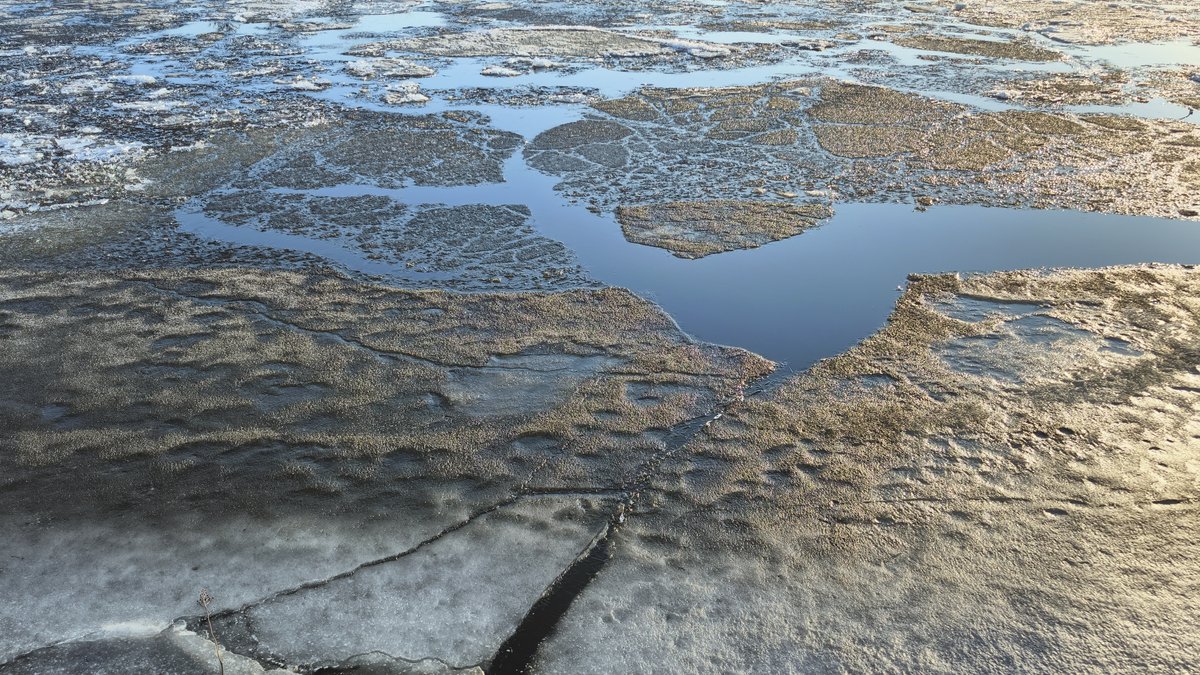
Temperatures in the Arctic have reached 90 degrees Fahrenheit, illustrating the rapid pace at which high-latitude regions are warming relative to the rest of the globe. Recent observational data underscore the severity of climatic shifts occurring in the far north, where temperatures are rising significantly faster than the global average and accelerating long-term transformations across polar ecosystems.
According to reporting by Jackie Flynn Mogensen, conditions reaching 90 degrees Fahrenheit (32.2 degrees Celsius) in Arctic zones represent a stark benchmark in ongoing polar environmental changes. The presence of summer heat conditions at high northern latitudes highlights a broader pattern of extreme weather events becoming more frequent and intense across regions historically characterized by sub-zero climates.
Record Temperatures in High Latitudes
Meteorological records over recent decades indicate that elevated summer heatwaves in the far north are no longer isolated anomalies. Instead, these temperature spikes occur against a baseline of persistent baseline warming that has systematically altered environmental conditions across Alaska, northern Canada, Scandinavia, and Siberia.
Data gathered from weather monitoring networks, remote sensing satellites, and ocean buoys confirm that summer temperature peaks in polar territories are pushing traditional climate boundaries. The intensity of recent heat episodes highlights how rapidly baseline thermal conditions are shifting in regions situated near and above the Arctic Circle.
Accelerated Warming Mechanisms
The fundamental driver behind the Arctic's rapid temperature rise is a phenomenon known in climate science as Arctic amplification. While global average surface temperatures have risen due to anthropogenic greenhouse gas emissions, northern high latitudes are warming at a rate estimated to be three to four times faster than the rest of the planet.
As reporting by Jackie Flynn Mogensen details, incoming surface and atmospheric data illustrate the magnitude of this differential warming. The primary mechanism driving Arctic amplification involves the loss of snow and sea ice cover. In normal conditions, bright white snow and ice reflect a large percentage of incoming solar radiation back into space through the albedo effect. As rising atmospheric temperatures melt surface ice, darker ocean waters and exposed land surfaces absorb substantially more solar heat. This absorbed energy warms the surrounding air and ocean, causing further melting in a continuous radiative feedback loop.
Environmental Impacts and Feedback Loops
The occurrence of temperatures approaching 90 degrees Fahrenheit carries major consequences for the northern landscape and local ecosystems. Among the most immediate concerns is the rapid degradation of permafrost—permanently frozen ground that underlies extensive portions of northern Eurasia and North America.
When ambient temperatures remain high during summer months, the top active layer of permafrost thaws to greater depths. Permafrost contains vast reserves of organic carbon accumulated over thousands of years from decayed plant and animal matter. As thawing accelerates, microbial activity breaks down this organic material, releasing carbon dioxide and methane into the atmosphere. The release of methane, a potent greenhouse gas with high short-term heat-trapping capacity, creates an additional atmospheric feedback loop that intensifies warming on a global scale.
In addition to carbon emissions, thawing ground destabilizes northern infrastructure. Subsidence damages roads, industrial sites, and residential buildings across polar communities. Coastal erosion also accelerates as protective sea ice barriers diminish and thawing coastal bluffs become vulnerable to wave action during high-latitude storms.
Global Implications for Climate Systems
The ramifications of extreme high-latitude warming extend far beyond the immediate polar boundary. Thermal shifts in the Arctic exert a direct influence on global sea levels, ocean circulation, and atmospheric weather patterns.
The loss of land-based ice, particularly from the Greenland Ice Sheet and high-latitude glaciers, serves as a major driver of global sea-level rise. Increased meltwater runoff adds volume to the oceans, increasing long-term flooding risks for low-lying coastal cities and island nations globally.
Furthermore, rapid polar warming alters the temperature differential between the equator and the poles. This gradient drives the northern hemisphere jet stream, a high-altitude atmospheric wind current that shapes weather patterns across North America, Europe, and Asia. A reduced temperature gradient can cause the jet stream to weaken and meander, leading to persistent weather patterns that stall in place. This atmospheric dynamic can result in prolonged heatwaves, extended droughts, or severe rainfall events in mid-latitude regions far removed from the Arctic.
Regional Ecosystems and Policy Challenges
Polar warming presents acute challenges for species adapted specifically to cold environments. Marine mammals such as polar bears, ice-dependent seals, and walruses rely on sea ice platforms for hunting, resting, and breeding. As ice cover shrinks and thins, these species are forced to travel greater distances, alter their foraging habits, or spend more time on land, raising competition and stress on populations.
Terrestrial wildlife, including caribou and reindeer herds, also face altered migration corridors and shifting vegetation patterns. For indigenous populations residing in the far north, changing ice conditions and unpredictable weather create severe hazards for navigation, subsistence hunting, and long-term food security.
Addressing these rapid transformations presents complex challenges for international policymakers. While global agreements seek to curb emissions, the observed pace of change in polar regions indicates that environmental adaptation strategies must be deployed alongside broader carbon mitigation efforts to address the widespread consequences of polar warming.
This article is based on reporting originally published by Jackie Flynn Mogensen.
How this story was produced
This report was written by The Global Wire newsroom from reporting first published by Jackie Flynn Mogensen. We verify the core facts against the original report, write our own account, and add the background and consequences a short wire item leaves out. Drafting is AI-assisted inside an editor-supervised pipeline, and every story is checked for accuracy of attribution, structure and duplication before it appears — full detail in our AI and funding disclosure.
Spotted an error? Tell us at corrections@horizonglobalnews.com and read our corrections policy or editorial standards.


Reader comments
Loading comments…