

Western Snowy Plovers Return to Nest at California Beach Reserve After Four-Decade Absence
Conservation measures including habitat fencing, volunteer docents, and the release of 212 tagged birds have restored a historic breeding ground at Isla Vista's Coal Oil Point Reserve.
By The Global Wire Newsroom · Reported from TOI Science Desk
Link preview · horizonglobalnews.com
Western Snowy Plovers Return to Nest at California Beach Reserve After Four-Decade Absence
Conservation measures including habitat fencing, volunteer docents, and the release of 212 tagged birds have restored a historic breeding ground at Isla Vista's Coal Oil Point Reserve.
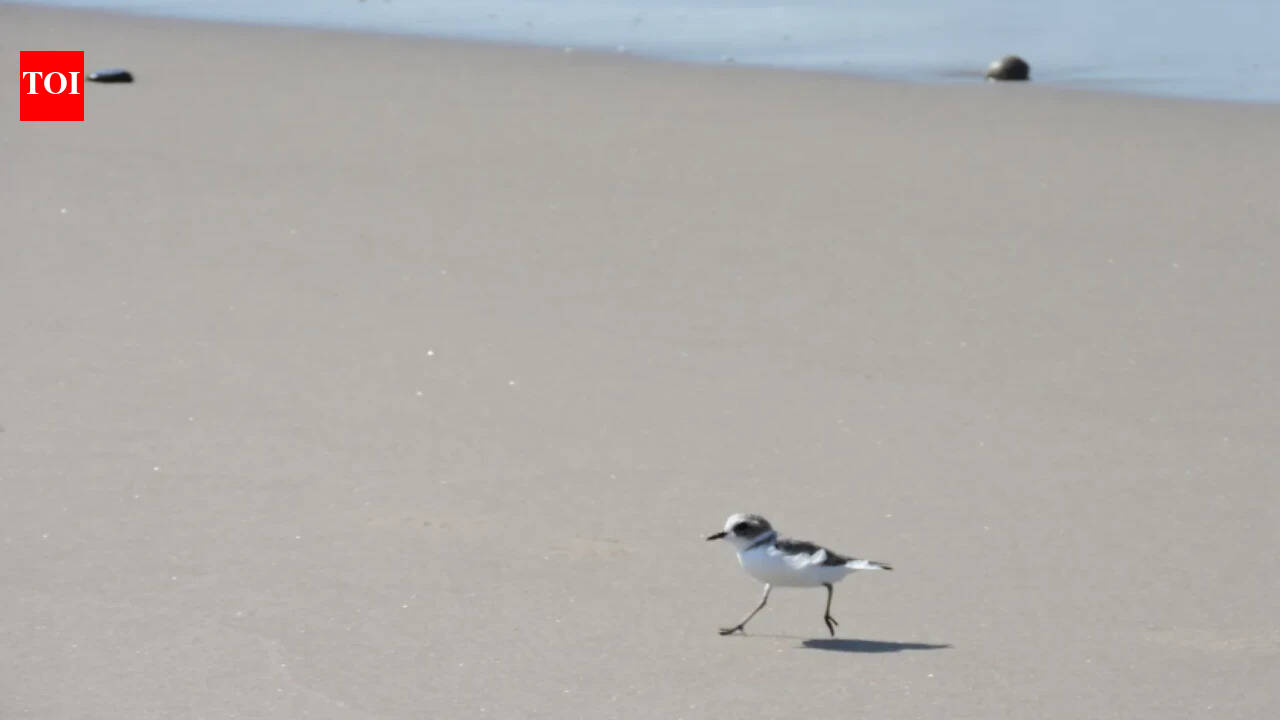
ISLA VISTA, Calif. — Following a 40-year absence, the western snowy plover has resumed nesting at Coal Oil Point Reserve along the central California coast, marking a major milestone in regional shorebird recovery efforts. The return of the threatened species to the Isla Vista sanctuary was made possible through an intensive, multi-pronged conservation strategy combining seasonal habitat fencing, community docent patrols, and targeted captive-release initiatives. According to reporting by the TOI Science Desk and the Santa Barbara Independent, wildlife managers have successfully released 212 birds into the wild since 2016, utilizing advanced tracking tags to monitor their dispersal and breeding success along the Pacific flyway.
Key facts
What happened
The resumption of nesting at Coal Oil Point Reserve represents the culmination of years of coordinated ecological management aimed at reversing decades of habitat degradation. Western snowy plovers, which rely on open, sandy beaches above the high-tide line to lay their eggs, abandoned the Isla Vista site in the late 20th century as human recreation, unleashed dogs, and urban development encroached on their historic breeding ground.
To restore the site, environmental managers implemented a comprehensive management plan designed to shield the birds during their crucial spring and summer breeding season. Physical barriers and seasonal rope fencing were erected across key stretches of the upper beach to establish designated wilderness corridors while maintaining public access along the shoreline tide line. In tandem with physical infrastructure, project organizers established a volunteer docent program to provide on-site outreach to visitors, reminding beachgoers to keep pets leashed and refrain from entering restricted dune areas.
Alongside habitat protection, wildlife authorities instituted a specialized rearing and release effort. Since 2016, conservation partners have successfully raised and released 212 western snowy plovers. Eggs threatened by high tides, abandonment, or severe human disturbance were collected, incubated in controlled environments, and reared until the young birds were strong enough for reintroduction. To evaluate the efficacy of the release program, biologists outfitted birds with tracking devices and custom color-band combinations. These tracking mechanisms allow researchers to follow the movement of individual birds across California's central coast, assess their integration into wild flocks, and confirm whether released individuals successfully establish nests of their own.
Why it matters
The successful re-establishment of a nesting colony at Coal Oil Point Reserve provides vital proof that targeted habitat intervention can recover sensitive coastal species, even in areas heavily used by humans. Coastal sandy beaches are among the most heavily developed and intensively visited ecosystems in California, creating acute spatial conflicts between wildlife conservation and public recreation.
For biodiversity management, the return of the snowy plover serves as a key indicator of overall coastal dune health. Snowy plovers are considered an indicator species for sandy beach ecosystems; their presence signals a functioning food web rich in beach invertebrates, such as kelp flies and amphipods, and an intact dune structure resistant to severe erosion. Furthermore, demonstrating that protective fencing and docent programs can coexist with public beach access offers a practical model for municipal and state agencies facing similar wildlife management challenges along developed coastlines.
The release of 212 tagged birds since 2016 also generates crucial demographic data for wildlife biologists. By tracking tagged individuals, researchers can determine whether captive-reared plovers exhibit the same survival rates, migratory patterns, and breeding success as wild-born counterparts. If released plovers successfully return to nest at Coal Oil Point Reserve and adjacent beaches, it validates hand-rearing as a viable tool to bolster struggling shorebird populations facing sea-level rise and increasing climate risks.
The background
The Pacific coast population of the western snowy plover (*Charadrius nivosus nivosus*) is a small, pale shorebird that nests on coastal beaches, estuarine sandbars, and salt pans from southern Washington state to Baja California, Mexico. In 1993, the U.S. Fish and Wildlife Service listed the Pacific coast population as threatened under the federal Endangered Species Act (ESA) after severe population declines caused by habitat loss, urban expansion, introduced predators, and human disturbance.
Coal Oil Point Reserve, a 170-acre coastal sanctuary situated adjacent to the University of California, Santa Barbara (UCSB), forms part of the UC Natural Reserve System. Historically, the reserve's sand dunes and lagoon margins provided ideal nesting conditions for snowy plovers. However, as local urban populations expanded in the mid-20th century, human foot traffic, recreational activities, and free-roaming pets disrupted the birds during their March-to-September breeding cycle. Snowy plover eggs and chicks rely on natural camouflage rather than dense foliage for protection; when adult birds are flushed from their nests by approaching humans or pets, unguarded eggs quickly succumb to temperature extremes or fall victim to predators such as crows, ravens, and gulls. As a result, nesting at Coal Oil Point ceased entirely for nearly four decades.
Rehabilitation initiatives at Coal Oil Point Reserve began in earnest in the early 2000s under the stewardship of reserve directors and conservation biologists. Initial pilot projects demonstrated that establishing a fenced protection zone on the upper beach, coupled with continuous public education, could allow wintering plovers to remain on the beach year-round without being driven away. The subsequent addition of the captive-rearing pipeline—rescuing vulnerable eggs from doomed nests—provided the demographic boost needed to re-establish a permanent breeding population.
Reaction
The return of nesting snowy plovers to Coal Oil Point Reserve has drawn praise from regional conservation organizations, university researchers, and wildlife managers who view the milestone as a victory for collaborative coastal management. Environmental advocates emphasize that the recovery highlights the effectiveness of community-based stewardship, pointing to the essential role played by volunteer docents in preventing habitat disruption.
Local land managers and wildlife officials are expected to highlight the Coal Oil Point success story in upcoming regional coastal planning meetings as a blueprint for balancing endangered species management with public beach access. Wildlife agencies such as the U.S. Fish and Wildlife Service and the California Department of Fish and Wildlife regularly review recovery metrics for threatened shorebirds, and the data gathered from Coal Oil Point Reserve will likely inform future recovery plans across other segments of the California coastline.
What we don't know yet
While the return of nesting plovers represents a clear biological success, several critical questions remain concerning the long-term sustainability of the population at Coal Oil Point Reserve.
First, reporting by the Santa Barbara Independent does not specify the exact proportion of the current nesting population that consists of wild-born birds versus the 212 captive-reared individuals released since 2016. Understanding whether the colony can maintain its numbers through natural reproduction without ongoing captive-rearing supplementation is critical to assessing its self-sustainability.
Second, the long-term impacts of climate change and sea-level rise on the reserve's narrow beach footprint remain uncertain. As rising ocean levels compress sandy shorelines against bluff lines and coastal infrastructure—a phenomenon known as coastal squeeze—the physical space available for upper-beach nesting could shrink dramatically during spring high tides.
Finally, researchers have not yet published full multi-year data detailing the specific movement trajectories recorded by the tracking tags. It remains unknown how far released individuals migrate during the non-breeding season, whether they cross-breed with other Pacific coast sub-populations, or what percentage of tagged birds successfully survive their first winter in the wild.
What to watch
In the coming months and breeding seasons, key markers will indicate whether the recovery at Coal Oil Point Reserve can be sustained:
This report is based on original reporting by the Santa Barbara Independent and coverage by the TOI Science Desk.
How this story was produced
This report was written by The Global Wire newsroom from reporting first published by TOI Science Desk. We verify the core facts against the original report, write our own account, and add the background and consequences a short wire item leaves out. Drafting is AI-assisted inside an editor-supervised pipeline, and every story is checked for accuracy of attribution, structure and duplication before it appears — full detail in our AI and funding disclosure.
Spotted an error? Tell us at corrections@horizonglobalnews.com and read our corrections policy or editorial standards.



Reader comments
Loading comments…