

Surging Fuel and Fertilizer Costs Weigh on Midwest Farmers Ahead of Midterm Elections
A 67 percent spike in diesel fuel and soaring fertilizer costs caused by global trade disruptions are eroding agricultural profits and testing political support in the American Farm Belt.
By The Global Wire Newsroom · Reported from SECTIONS Fuel; Fertiliser Costs Strain American Farmers' Support
Link preview · horizonglobalnews.com
Surging Fuel and Fertilizer Costs Weigh on Midwest Farmers Ahead of Midterm Elections
A 67 percent spike in diesel fuel and soaring fertilizer costs caused by global trade disruptions are eroding agricultural profits and testing political support in the American Farm Belt.
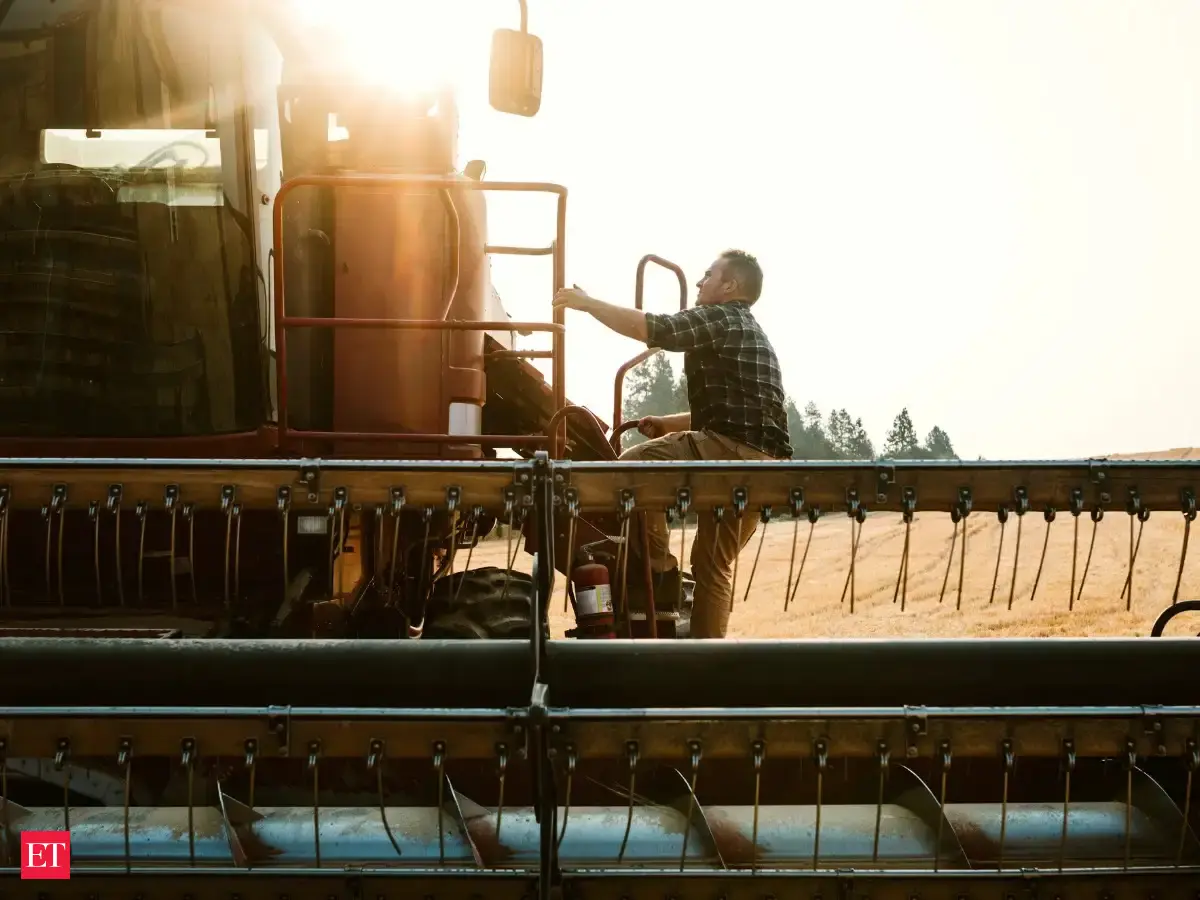
Agricultural producers across the Midwestern United States are confronting severe financial pressure as diesel fuel prices surge by 67 percent alongside steep spikes in fertilizer costs, straining traditional political alignments ahead of the upcoming United States midterm elections. The rapid inflation in essential farm inputs, driven in part by maritime trade disruptions along the Strait of Hormuz, has expanded faster than crop revenue, eroding operating margins during the peak fall harvest season. According to reporting by SECTIONS Fuel, the cost squeeze is creating friction in traditionally conservative rural strongholds, where farmers are questioning political leadership as high operational expenses diminish expected returns on corn, soybean, and wheat harvests.
Key facts
What happened
The agricultural sector across the American Midwest has encountered a compounding financial crunch in October 2026 as essential production costs accelerate dramatically. Central to the cost squeeze is a 67 percent jump in diesel fuel prices, which has directly elevated the expense of operating tractors, combine harvesters, and heavy transport trucks during the critical autumn harvest window. At the same time, prices for synthetic fertilizers—including nitrogen, phosphate, and potash compounds vital for grain production—have undergone sudden and steep increases, severely raising input budgets for the upcoming planting season.
These domestic price increases coincide with intensifying geopolitical instability affecting key global shipping channels. Maritime trade through the Strait of Hormuz, a critical transit corridor for international oil and natural gas shipments, has experienced significant disruptions. Because natural gas serves as the primary chemical feedstock for manufacturing nitrogen-based fertilizers, and crude oil prices govern refined petroleum products like agricultural diesel, shipping bottlenecks in the Persian Gulf have reverberated rapidly through global commodity markets.
The resulting price spikes have hit United States farm enterprises at a vulnerable moment in the annual production cycle. As producers collect crops and prepare fields for winter, the double burden of high fuel consumption and expensive soil nutrients is absorbing a disproportionate share of farm revenues. Reporting by SECTIONS Fuel highlights that the disparity between stagnant or moderate commodity crop prices and rapidly mounting input expenses is creating financial hardship for family farms and commercial operations alike.
Why it matters
The economic squeeze on Midwestern agriculture carries significant implications for regional economies, national food supply chains, and the broader political landscape of the United States. Agriculture remains a foundational economic engine for Midwestern states, where farm expenditure directly feeds into local machinery dealerships, grain elevators, rural banks, and community businesses. When operational margins collapse under the weight of a 67 percent increase in diesel expenses and erratic fertilizer prices, reduced farm spending cascades through the wider rural economy.
Higher input costs also threaten to sustain broader inflationary pressures across consumer food markets. If farm-gate production expenses remain elevated over multiple growing cycles, agricultural producers may be forced to curtail planted acreage or reduce fertilizer application, potentially lowering crop yields and driving up wholesale prices for food processors, livestock feed manufacturers, and end consumers.
Politically, the economic discontent poses a strategic challenge for the Republican Party in rural congressional districts. Midwestern agricultural communities have historically served as reliable voting blocs for conservative candidates. However, persistent cost pressures and economic uncertainty are driving frustration among agricultural voters who feel that policy responses to trade disruptions and energy market instability have been insufficient. In competitive House and Senate races across states like Iowa, Illinois, Wisconsin, Ohio, and Minnesota, even minor shifts in rural voter turnout or party alignment could prove decisive in determining the balance of power in Washington following the midterm elections.
The background
Modern industrial agriculture in the United States is deeply dependent on fossil energy inputs, making farm profitability uniquely sensitive to global energy market volatility. Diesel fuel powers the heavy machinery required for field preparation, planting, harvesting, and grain transportation, while natural gas accounts for roughly 70 to 90 percent of the production cost of synthetic nitrogen fertilizers such as anhydrous ammonia and urea. Consequently, any shock to crude oil or natural gas markets immediately translates into higher production costs for agricultural producers.
The Strait of Hormuz, located between Oman and Iran, represents the world's most critical oil transit chokepoint. Approximately one-fifth of global petroleum supplies and substantial volumes of liquefied natural gas transit the narrow waterway daily. Historical disruptions in the strait—whether caused by naval blockades, tanker attacks, or regional military escalations—have consistently triggered immediate price spikes in crude oil and derivative refined products, including low-sulfur agricultural diesel.
In the United States, rural agricultural districts have leaned heavily Republican over the past several decades, influenced by conservative positions on federal regulation, tax policy, and property rights. However, farm voting blocs have historically demonstrated political independence during periods of acute economic stress. During the agricultural crisis of the 1980s, high interest rates, depressed crop prices, and trade embargoes led to widespread farm foreclosures and significant political volatility across the Midwest. More recently, federal market loss assistance and emergency relief programs, such as those established under the farm bill structure or temporary executive trade mitigation packages, have been utilized to cushion producers from external trade shocks and input cost surges.
Reaction
While formal policy statements from major agricultural organizations remain forthcoming, industry observers expect major advocacy groups, including the American Farm Bureau Federation and the National Farmers Union, to press federal lawmakers for urgent economic relief. Farm leaders are anticipated to call for targeted subsidies, emergency fuel cost offsets, or regulatory adjustments to alleviate financial pressures on producers ahead of the 2027 planting cycle.
In Washington and across Midwestern election tracks, political candidates are actively recalibrating their messaging to address rural economic anxiety. Republican candidates in agricultural districts face pressure to outline concrete plans for stabilizing energy markets and mitigating international supply chain bottlenecks. Concurrently, Democratic challengers are seizing on input price inflation to argue that current trade and energy policies have failed to protect domestic food producers from external shocks. In state-level debates, agricultural commissions and local farm bureaus are highlighting the necessity of federal intervention if input costs remain at elevated levels through the winter.
What we don't know yet
Several critical variables remain unresolved regarding the full extent of the agricultural cost crisis. It remains unclear how long disruptions in the Strait of Hormuz will persist, or whether international maritime security efforts will succeed in restoring normal shipping volumes to stabilize global energy prices. Additionally, the exact magnitude of crop margin compression across different Midwestern sub-regions—such as the Western Corn Belt versus the Eastern Great Lakes region—depends on localized harvest yields and local grain basis pricing that are still being calculated.
It also remains unknown whether the federal government will authorize emergency financial assistance to offset farm diesel and fertilizer expenses before the conclusion of the current fiscal year. Finally, the degree to which rural voter dissatisfaction will translate into actual shifts in balloting or depressed voter turnout during the midterm elections cannot be determined until votes are counted across key agricultural districts.
What to watch
In the coming weeks and months, several key milestones will clarify the economic and political trajectory of the Midwestern farm belt:
This report is based on original reporting by SECTIONS Fuel, which detailed the 67 percent increase in agricultural diesel prices, rising fertilizer costs, and their political ramifications for Midwestern farmers during the 2026 midterm election cycle.
How this story was produced
This report was written by The Global Wire newsroom from reporting first published by SECTIONS Fuel; Fertiliser Costs Strain American Farmers' Support. We verify the core facts against the original report, write our own account, and add the background and consequences a short wire item leaves out. Drafting is AI-assisted inside an editor-supervised pipeline, and every story is checked for accuracy of attribution, structure and duplication before it appears — full detail in our AI and funding disclosure.
Spotted an error? Tell us at corrections@horizonglobalnews.com and read our corrections policy or editorial standards.




Reader comments
Loading comments…