

Supreme Court Decision on Haitian Protected Status Threatens Senior Care Sector
A high court ruling enabling the termination of legal protections for hundreds of thousands of Haitians threatens to disrupt care for American seniors reliant on foreign-born home health aides.
By The Global Wire Newsroom · Reported from ABC News
Link preview · horizonglobalnews.com
Supreme Court Decision on Haitian Protected Status Threatens Senior Care Sector
A high court ruling enabling the termination of legal protections for hundreds of thousands of Haitians threatens to disrupt care for American seniors reliant on foreign-born home health aides.
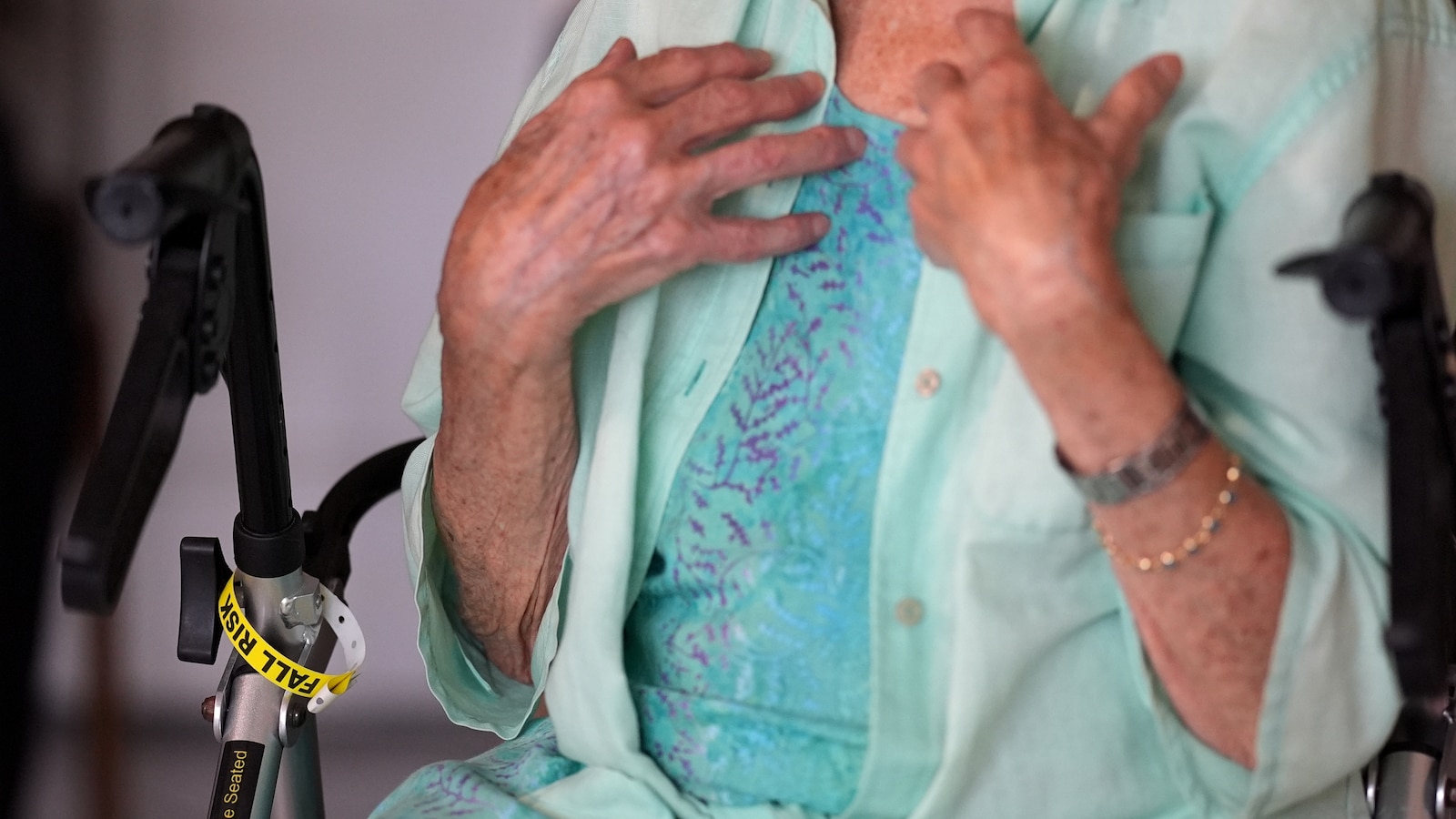
A recent Supreme Court ruling permitting the federal government to terminate Temporary Protected Status for hundreds of thousands of Haitian nationals is creating severe operational uncertainty across the U.S. healthcare and eldercare sectors. According to reporting by ABC News, the judicial decision clears the path for the administration to end legal protections that have long allowed Haitian immigrants to live and work legally in the United States. The downstream effects of the ruling extend far beyond federal immigration courtrooms, threatening to disrupt essential home health services and residential care facilities that depend heavily on Haitian staff to tend to aging Americans.
Impact on the Elder Care Workforce
The termination of Temporary Protected Status, or TPS, places thousands of essential healthcare workers at immediate risk of losing their employment authorization and facing potential deportation proceedings. In many regions across the United States, particularly within major metropolitan areas in the Northeast and Southeast, Haitian immigrants constitute a vital portion of the direct care workforce. These workers hold roles as certified nursing assistants, home health aides, and personal care attendants, performing essential daily duties for elderly residents and individuals with chronic disabilities.
According to reporting by ABC News, the pending removal of legal protections creates severe staffing challenges for senior care providers already navigating broader labor shortages. Facilities and home healthcare agencies rely on TPS recipients to maintain required staffing ratios and ensure continuous care. If these employees lose their work permits, care providers face the prospect of abrupt operational disruptions, reduced capacity, and an inability to meet the complex needs of vulnerable senior populations.
Legal Framework and the High Court Ruling
The Supreme Court decision resolves a protracted legal dispute over executive authority regarding the administration of humanitarian immigration programs. TPS is a statutory designation created by Congress under the Immigration Act of 1990, granting temporary relief from deportation and valid work permits to foreign nationals from countries experiencing armed conflict, environmental disasters, or other extraordinary conditions that prevent safe return.
In recent years, federal courts had repeatedly enjoined attempts by executive officials to terminate TPS designations for several nations, including Haiti. Lower court rulings previously determined that administrative actions to end the program failed to adequately assess safety conditions on the ground or violated procedural requirements under federal administrative law. However, the Supreme Court's determination affirms the broad discretion of the executive branch to rescind TPS designations when officials determine that initial emergency conditions have abated or that administrative policy priorities necessitate an end to temporary relief.
Background of Haitian Protected Status
Haiti was initially granted TPS status following a catastrophic 7.0-magnitude earthquake in January 2010, which destroyed critical infrastructure, killed over 200,000 people, and displaced millions in and around Port-au-Prince. Subsequent natural disasters, alongside severe political instability, gang violence, and widespread economic distress, led successive federal administrations to repeatedly extend and redesignate TPS for eligible Haitian residents living in the United States.
Over the course of more than a decade, many Haitian TPS holders established deep community roots, purchased homes, raised children born in the United States, and secured long-term employment in essential economic sectors. In healthcare specifically, foreign-born workers, including Haitian nationals, filled persistent vacancy gaps left by domestic labor shortages in demanding direct care positions.
Consequences for Senior Citizens and Families
For elderly Americans and their family caregivers, the potential loss of trusted Haitian home aides and nursing staff presents profound personal and operational challenges. Direct caregiving relies heavily on established personal relationships and specialized familiarity with patients' medical histories, daily routines, and cognitive needs.
As highlighted by ABC News reporting, the potential removal of care personnel leaves many senior citizens at risk of losing personalized home assistance, potentially forcing them into institutional care facilities that are already operating near full capacity. Families that rely on home healthcare aides to allow aging relatives to remain in their homes face increased burdens if those services are curtailed. Furthermore, senior living communities and nursing facilities face concerns that losing skilled staff could compromise the overall quality of care and force facility closures or bed reductions.
Industry and Regulatory Response
Healthcare associations, immigration advocacy groups, and municipal officials have expressed mounting concern over the rapid wind-down of employment authorization for TPS recipients. Industry representatives note that replacing lost workers will prove exceptionally difficult given existing demographic shifts, an aging national population, and low unemployment rates within the broader caregiving sector.
Advocates argue that terminating legal protections without clear transition pathways or expanded work visa categories will destabilize vital health infrastructure. Conversely, proponents of ending TPS maintain that the designation was explicitly intended by Congress to be temporary and that maintaining protections indefinitely undermines the enforcement of federal immigration law.
What Comes Next
Following the high court's decision, the federal government is expected to establish administrative timelines for the expiration of work permits and legal protections for Haitian TPS holders. Individuals affected by the ruling will face decisions regarding whether to pursue alternative legal avenues for legal permanent residency, apply for asylum where applicable, or prepare for voluntary departure or federal removal proceedings.
State governments, healthcare networks, and advocacy organizations are monitoring the implementation timeline closely to evaluate the potential impact on public health expenditures and service delivery. The situation highlights ongoing debate over executive authority, federal immigration reform, and the structural reliance of the American healthcare industry on foreign-born labor.
This article includes reporting originally published by ABC News.
How this story was produced
This report was written by The Global Wire newsroom from reporting first published by ABC News. We verify the core facts against the original report, write our own account, and add the background and consequences a short wire item leaves out. Drafting is AI-assisted inside an editor-supervised pipeline, and every story is checked for accuracy of attribution, structure and duplication before it appears — full detail in our AI and funding disclosure.
Spotted an error? Tell us at corrections@horizonglobalnews.com and read our corrections policy or editorial standards.


Reader comments
Loading comments…